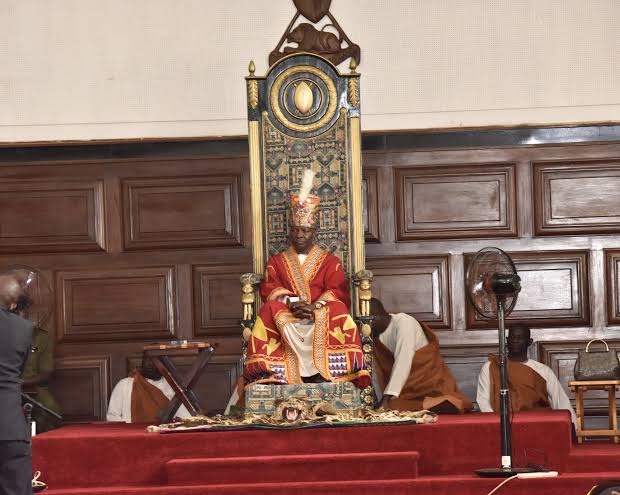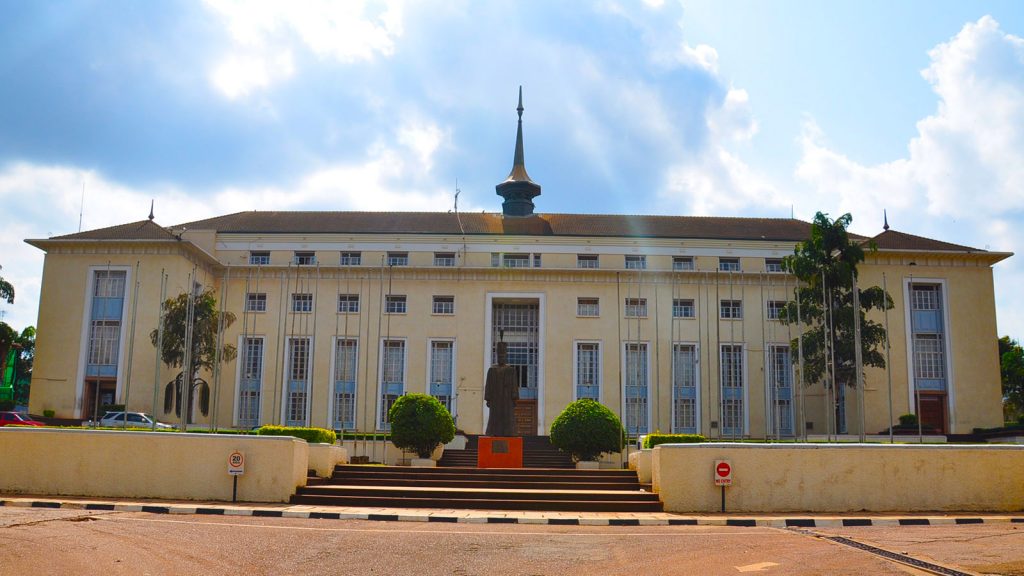
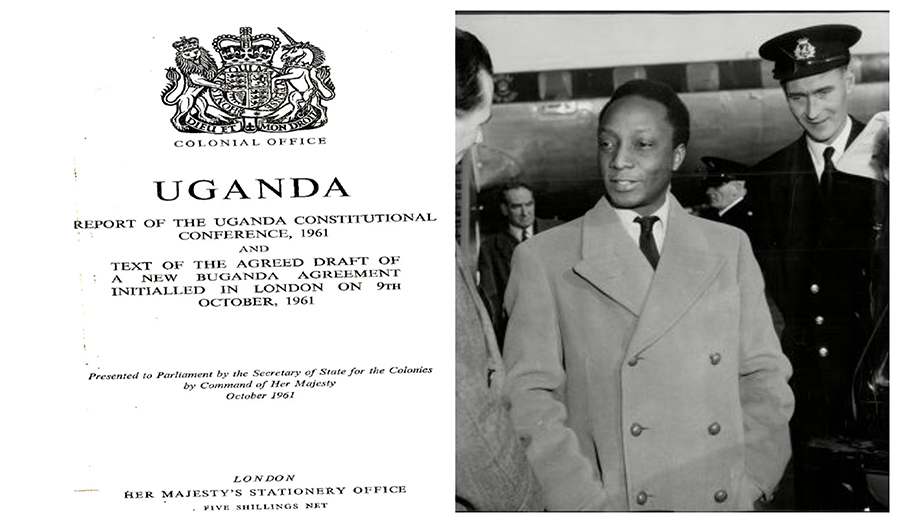
As Buganda celebrates 33 years since the kingdom was restored, Bbeg Media digs deep into some of the historical events that have shaped the kingdom’s social, political, and economic trajectory.
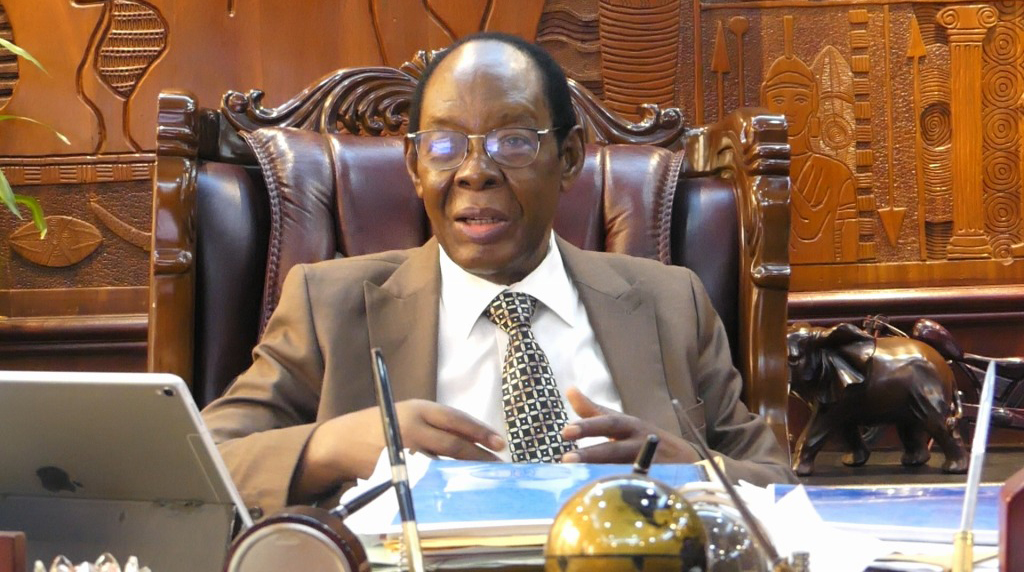
One of them is the 1961 Buganda Agreement, signed in London on October 9, 1961, by Colonial Secretary Iain Macleod and Buganda’s then Prime Minister Michael Kintu.
This particular agreement, signed a year before Uganda got independence, granted Buganda a “federo” status, making it a semi-autonomous sub-region within the wider Uganda.
But what kind of federo was granted to Buganda?
Below are some of the key provisions of the agreement stipulating the federal arrangement Buganda was to enjoy.
*************************************************************
The agreement opens by noting that Buganda had been under British protection since the agreements of 1894 to 1955.
It records that at talks held in London through September and October 1961, representatives of the British government, the Ugandan central government, and the Kabaka’s government agreed that a new constitution should give Uganda internal self-government, with Buganda joining the rest of the country in a federal relationship.
Under Article 4 of the agreement, titled “Status of Buganda”, the kingdom would be united federally with Uganda “in accordance with the constitutions of Uganda and Buganda”.
Article 5 went further, providing Buganda with its own constitution as a kingdom within Uganda, set out separately in the agreement’s third schedule.
That constitution could only be changed by a law passed by Buganda with the support of two-thirds of the Lukiiko’s members.
The agreement notes that certain core provisions, including those covering the Kabaka’s status and succession, could not be altered without the consent of the British government.
BUGANDA AT THE CENTRE
The federal deal gave Buganda a guaranteed bloc in Uganda’s new legislature. Article 6 allocated the kingdom 24 seats in the 82-member national assembly. 21 of those seats were from Buganda outside Kampala and three from Kampala itself. Crucially, the agreement gave the Lukiiko the option of choosing how those 21 Buganda seats would be filled. It could either allow direct elections or resolve that the seats be indirectly filled by the Lukiiko itself.
TWO GOVERNMENTS
Article 7 of the agreement sets out what has become the clearest marker of “federo” by creating two centres of legislative power in Uganda.
Both the National Assembly and the Lukiiko could make laws for peace, order, and good government in Buganda. However, the agreement notes that where the two assemblies conflicted on shared matters, the national assembly would prevail.
COURTS
Buganda kept its own courts according to the agreement. Article 9 protected the Buganda Courts from being altered by national law unless the Lukiiko approved. Article 10 created a High Court of Buganda, administering justice in the Kabaka’s name, with jurisdiction running alongside that of the High Court of Uganda, except on questions interpreting the Uganda constitution itself.
POLICE FORCE
Buganda’s federal status extended into security and land administration, areas that gave the kingdom real institutional muscle. Article 15 of the agreement established a Kabaka’s police force operating throughout Buganda, commanded by its own officers. But the police force was subject to the authority of Uganda’s Inspector General of Police.
What the 1900 Buganda Agreement says about the contested 9,000 square miles
LAND BOARD
On land, Article 19 of the agreement created the Buganda Land Board (BLB), which would hold all public land in Buganda in the Kabaka’s name for the benefit of the people of Buganda.
Article 21 gave the central government ownership of minerals found on that public land, while minerals on Mailo land belonged to the private landowner, subject to a 10% royalty to the central government.
KAMPALA NOT GOVERNED BY BUGANDA
Not every part of Buganda would sit under the same administration. Article 17 gave the central government direct responsibility for Kampala, which was to become the national capital, run through a nine-member Joint Advisory Committee with representatives from the central government, the Kabaka’s government, and Kampala municipality in equal number.
Entebbe, though a Buganda town, would be administered by the central government for 25 years. Masaka would remain the Kabaka’s government’s responsibility, run in line with Uganda’s local government policy. Njeru would fall under the central government, and the future of Mubende was left for further talks.
KABAKA NOT TO PAY TAXES
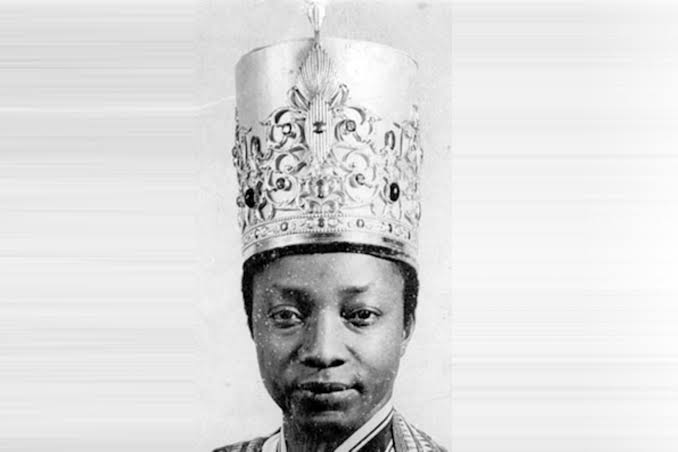
The agreement also protected the Kabaka personally. Article 3 entitled him to be styled “His Highness” and to a 15-gun salute on ceremonial occasions. Article 18 exempted him from direct personal taxation under the national law,
WHAT WAS SWEPT AWAY?
Article 2 of the agreement revoked the earlier Buganda Agreements of 1894, 1900, 1905, 1907, 1908, 1913, 1920, and 1955, though it protected existing titles to Mailo land from being affected by the revocation.