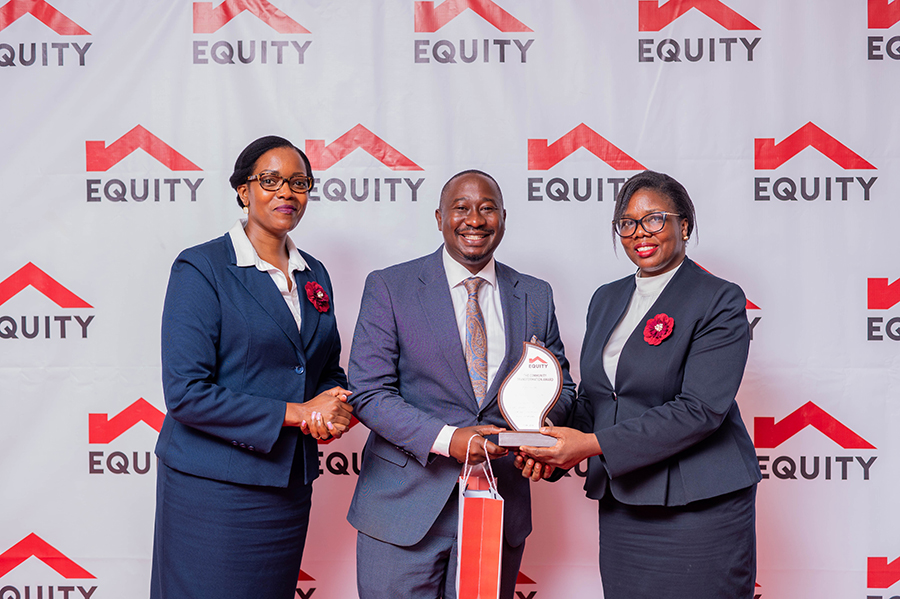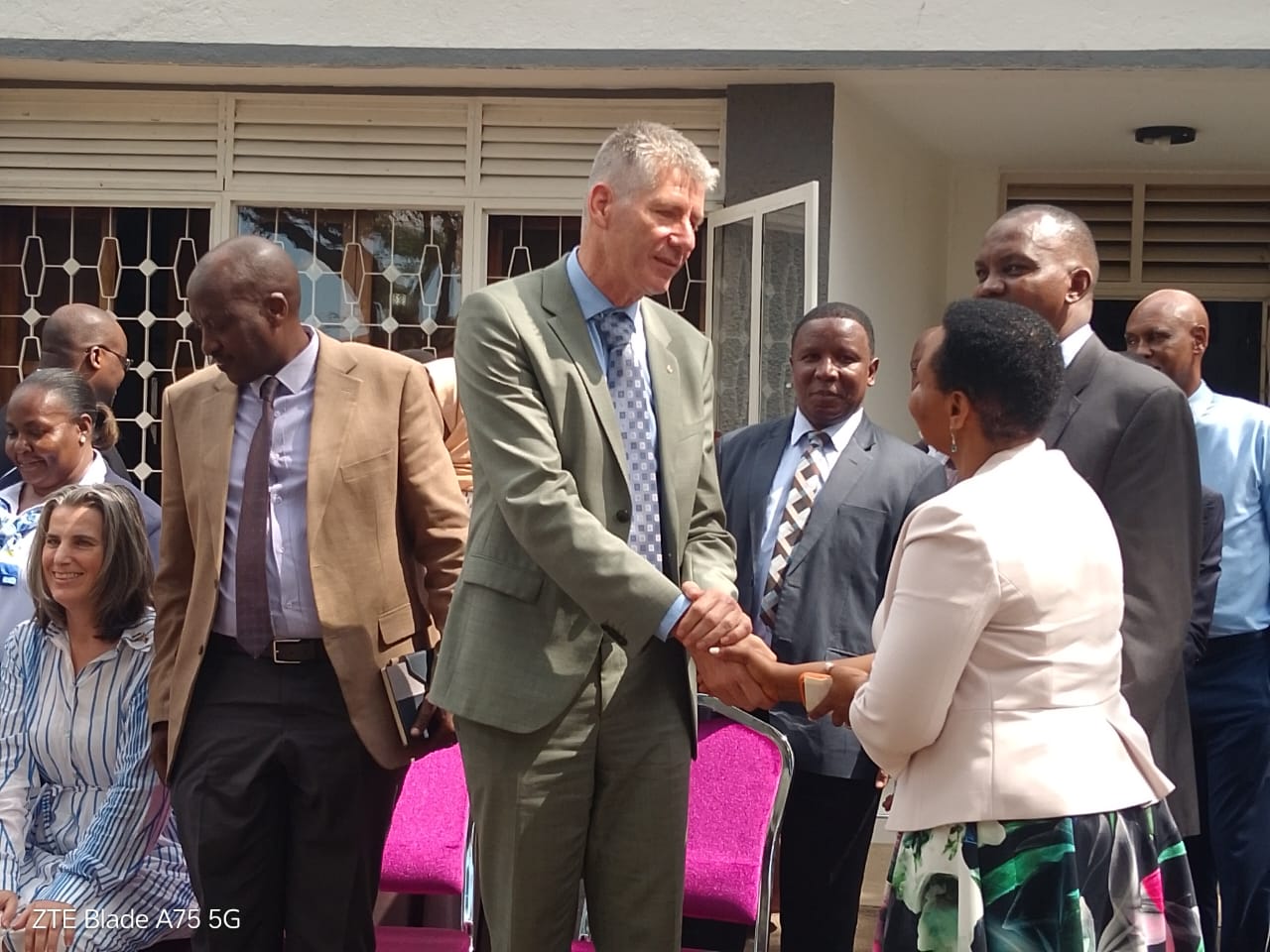
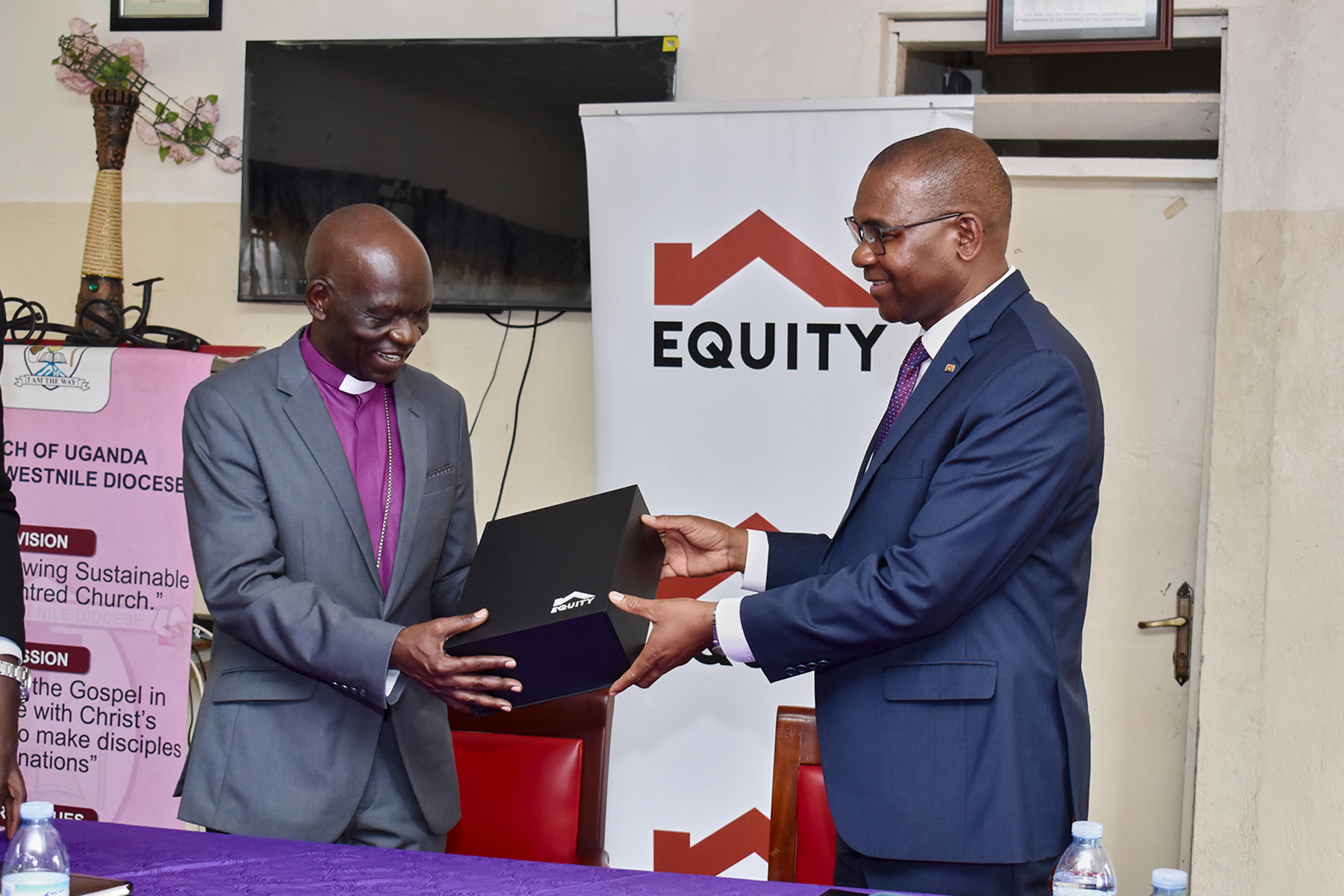
Madi-West Nile Diocese of the Church of Uganda and Equity Bank Uganda are working towards a formal partnership aimed at using church-owned land, institutions, and other assets to support economic development in the West Nile region.
The proposed partnership is expected to go beyond ordinary banking services and focus on agriculture, education, healthcare, enterprise development, energy, environmental conservation, and the development of church assets for sustainable income.
The two institutions recently held discussions on formalising their relationship through a Memorandum of Understanding (MoU), which would provide a framework for working together on the diocese’s economic and social development priorities.
Madi-West Nile Diocese operates in 12 districts through 13 archdeaconries, 150 parishes and 685 local churches. It has 221 active clergy, according to information provided by the diocese.
The diocese has land, schools, health facilities and other institutions that it believes can be developed further to generate income while continuing to serve communities in the region.
Diocesan Secretary Geoffrey Nasser said the relationship with Equity Bank had developed beyond routine banking and now included support for clergy, church workers, graduates and community groups.
“Equity Bank’s support extends far beyond corporate banking into the very heart of our community,” Nasser said.
He said the bank had supported areas including youth mentorship, individual lending and access to credit for graduates and community groups.
The proposed partnership would bring together the diocese’s land, institutions and community networks with Equity Bank’s financial and technical expertise.
Equity Bank Uganda managing director Gift Shoko said the bank wanted to help church institutions develop stronger and more sustainable financial foundations.
“Our purpose as a Bank is to transform lives, give dignity and expand opportunities for wealth creation,” Shoko said.
“By bringing our technical financial expertise to church projects, we allow church institutions, schools and land to become self-sustaining, financially independent entities,” he said.
Under the proposed arrangement, the parties are expected to explore commercial agriculture and forestry projects, as well as financing for the renovation and expansion of schools and health facilities operated by the diocese.
The partnership would also target financial inclusion at the community level through savings groups, including groups involving refugees and host communities.
Such groups could receive financial literacy training and access to financing products suited to their activities, according to the proposal.
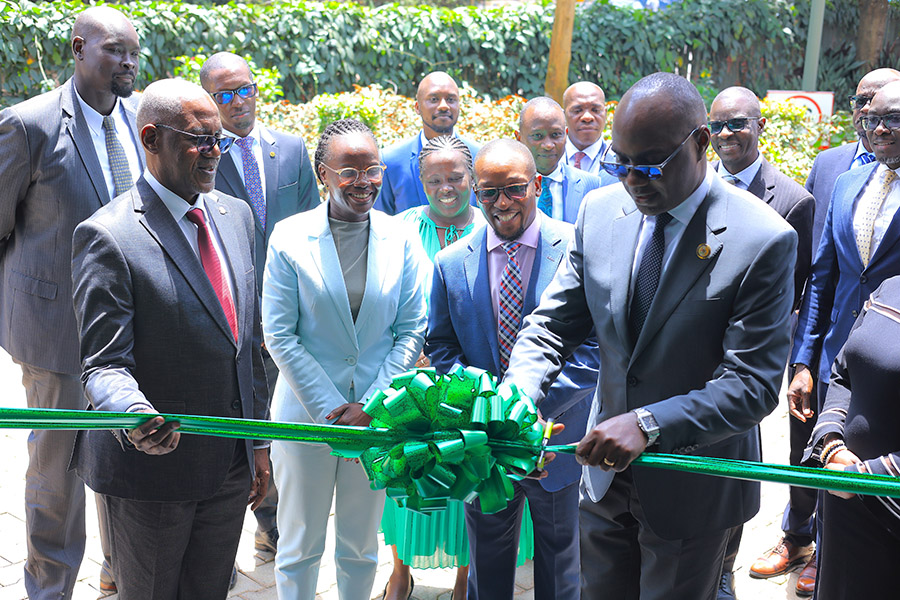
The relationship has already involved support for major diocesan infrastructure. Equity Bank has provided about Shs4 billion towards the construction of the Jubilee Administrative Building in Arua, a project linked to the diocese’s 50th anniversary celebrations.
Bishop Rt Rev Dr Charles Collins Andaku said the building was intended to give the diocese a permanent administrative home.
The proposed MoU comes at a time when faith-based institutions are looking at ways of making better use of their assets while continuing to provide social services to communities.
For Madi-West Nile Diocese, the proposed partnership is intended to make better use of its land, schools, health facilities and human resources so that they can contribute more to the long-term development of the West Nile region.