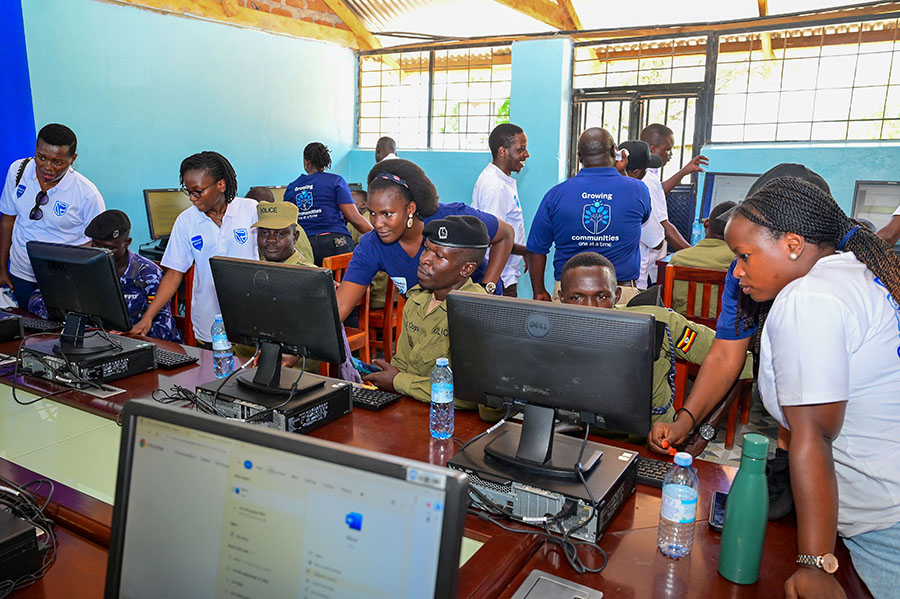
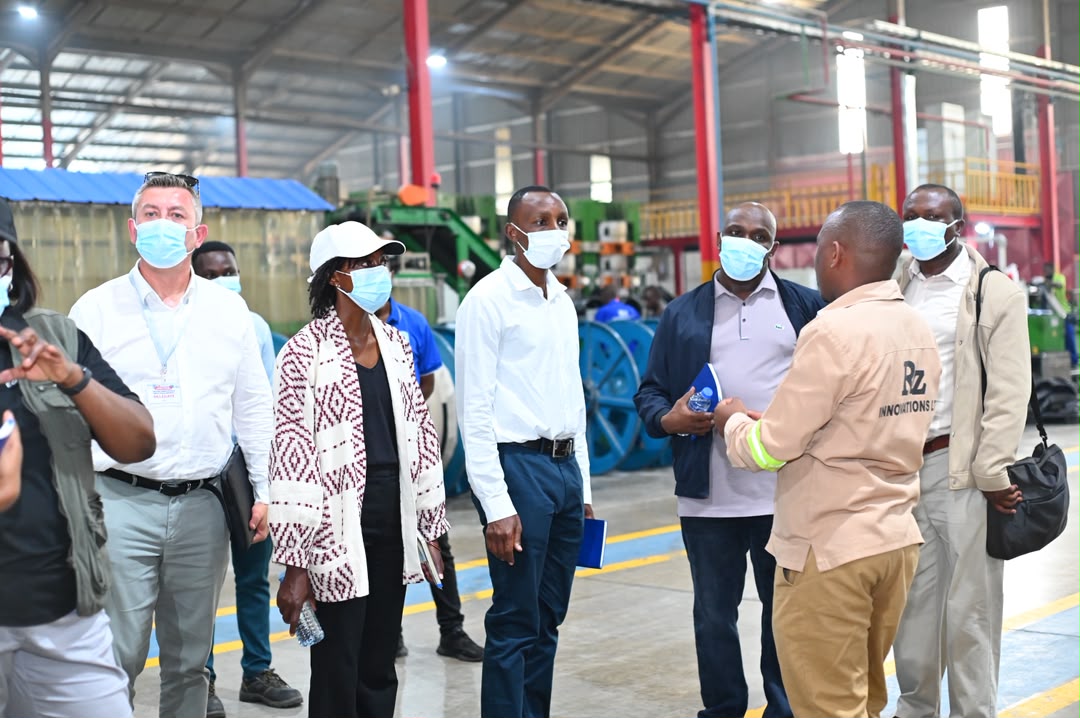
Uganda’s push to add value to agricultural and manufactured products has come under the spotlight as more than 150 investors, entrepreneurs and business leaders from 10 nationalities toured local enterprises during Equity Group’s 2026 Uganda and Rwanda Trade and Investment Roadshow.
The delegation visited Zigoti Coffee Works Limited, Roofings Limited and RZ Innovations Limited.
The visits gave investors an opportunity to see how Ugandan businesses are processing raw materials, adopting new technologies and seeking financing and regional markets to expand their operations.
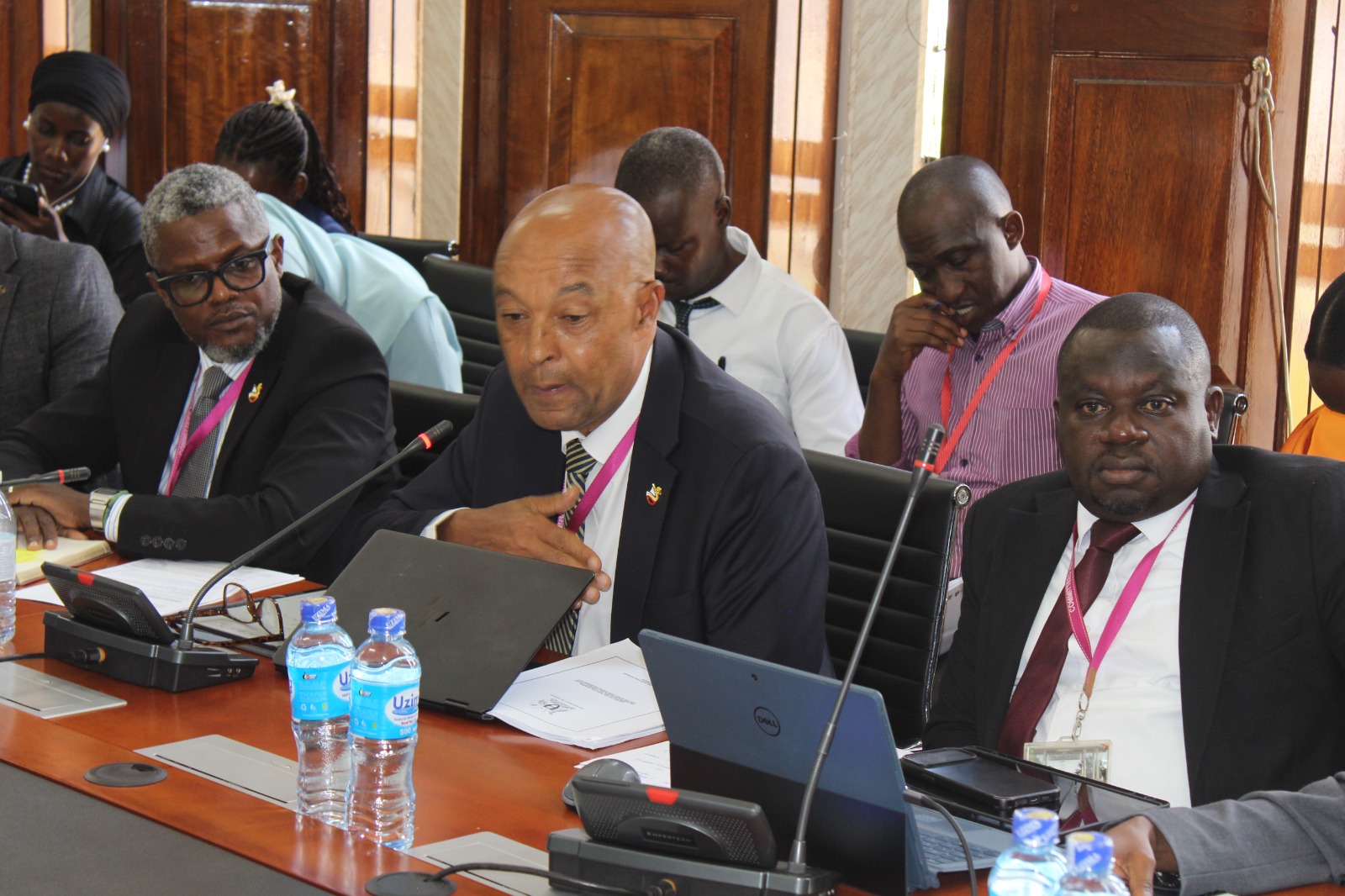
The roadshow brought together businesses, investors, policymakers and financial institutions to explore investment opportunities in Uganda and ways of strengthening cross-border trade.
At Zigoti Coffee Works, a third-generation family coffee business whose roots date back to 1984, discussions centred on financing processing equipment, working capital and support for smallholder farmers.
The company became Uganda’s first coffee export company to obtain an export licence after the liberalisation of the coffee sector. It is now investing in wet processing and specialty coffee as it seeks to earn greater value from its exports.
Charles Roscoe Nsubuga, Chairman of Zigoti Coffee Works, said access to long-term financing is important for local exporters seeking to compete in international markets.
The discussions also explored financing arrangements that would enable smallholder farmers to access agricultural inputs and repay the loans from proceeds of their coffee sales.
Zigoti is also looking at expanding its regional distribution network, including opportunities in markets such as South Sudan.
Irene Irungu, Senior Manager of Trade Relations at Equity Group, said the roadshow was created to connect African producers with buyers and markets within Equity’s regional network.
“The journey started because of overwhelming demand from our customers who wanted to explore different parts of Africa. It was about regional integration, directly matching our producers with buyers across our subsidiary markets so they could conduct direct trade rather than struggling to find new markets on their own,” Irungu said.
At RZ Innovations and its parent company, Royikems Industries Limited, investors saw another example of Uganda’s efforts to increase local manufacturing.
The business started as a motorcycle spare-parts trading operation in 2005 before moving into manufacturing. RZ Innovations later developed products including motorcycle tyres, inner tubes and brake shoes and now employs about 650 people.
The company supplies its products to markets in Uganda and other African countries, including Kenya, Tanzania, South Sudan, Rwanda, Burundi, Malawi and the Democratic Republic of Congo.
RZ Innovations is also adopting recycling as part of its manufacturing operations. It collects and processes scrap aluminium for use in brake-shoe components and uses recycled rubber in production. The company is also considering a dedicated rubber recycling plant.
However, the visit also exposed some of the challenges facing manufacturers, including high production costs, foreign exchange movements, logistics costs and unreliable electricity.
Mark Ssempijja, General Manager of RZ Innovations, said fluctuations in electricity supply can disrupt production.
“Unreliable grid voltage directly impacts sensitive machinery and hot rubber processing,” Ssempijja said.
The company has also invested in improving its access road to reduce dust and protect production standards.
Commercial solar power was among the options discussed with the investors as manufacturers look for ways to improve energy reliability and manage operating costs.
The visits to Zigoti Coffee Works and RZ Innovations highlighted a common need among Ugandan businesses: access to affordable and longer-term financing to expand production, improve technology, process more raw materials locally and reach new markets.
For Equity Group, the roadshow is intended to go beyond conventional financing by linking businesses with investors, buyers, suppliers and potential commercial partners across Africa.
The initiative also reflects the growing importance of regional markets for Ugandan businesses seeking to expand beyond the domestic economy.
Equity Group Executive Director Claver Serumaga said businesses need more than capital to grow, including access to markets, technology, partnerships and networks.
The roadshow continued in Rwanda after the Kampala programme, with delegates travelling to Kigali on September 16 to explore additional trade and investment opportunities.
The visits to Ugandan enterprises therefore placed value addition at the centre of discussions about the country’s industrial and export ambitions.
For companies such as Zigoti and RZ Innovations, the challenge is not only to produce more, but also to process more locally, improve quality, develop competitive products and find markets beyond Uganda.