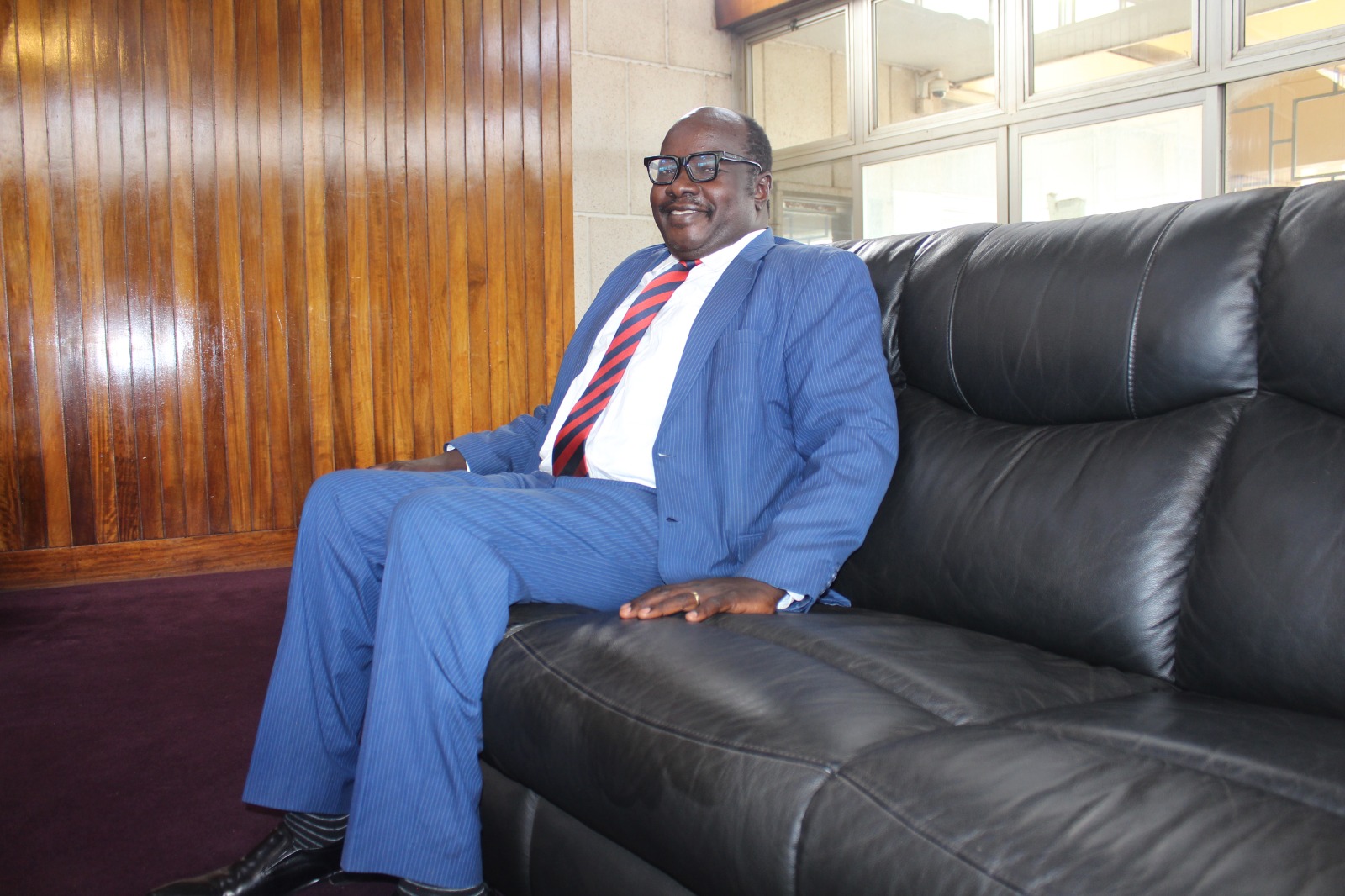
Agago County MP Edward Otto Makmot has questioned the value for money of investigations conducted by the Inspectorate of Government (IG), arguing that the institution risks spending more public money investigating corruption than it recovers from those implicated.
Makmot, the deputy chairperson of Parliament’s Committee on Legal and Parliamentary Affairs, said the Inspectorate needed to review how it carries out its mandate, particularly in local governments, to ensure that its investigations produce meaningful results.
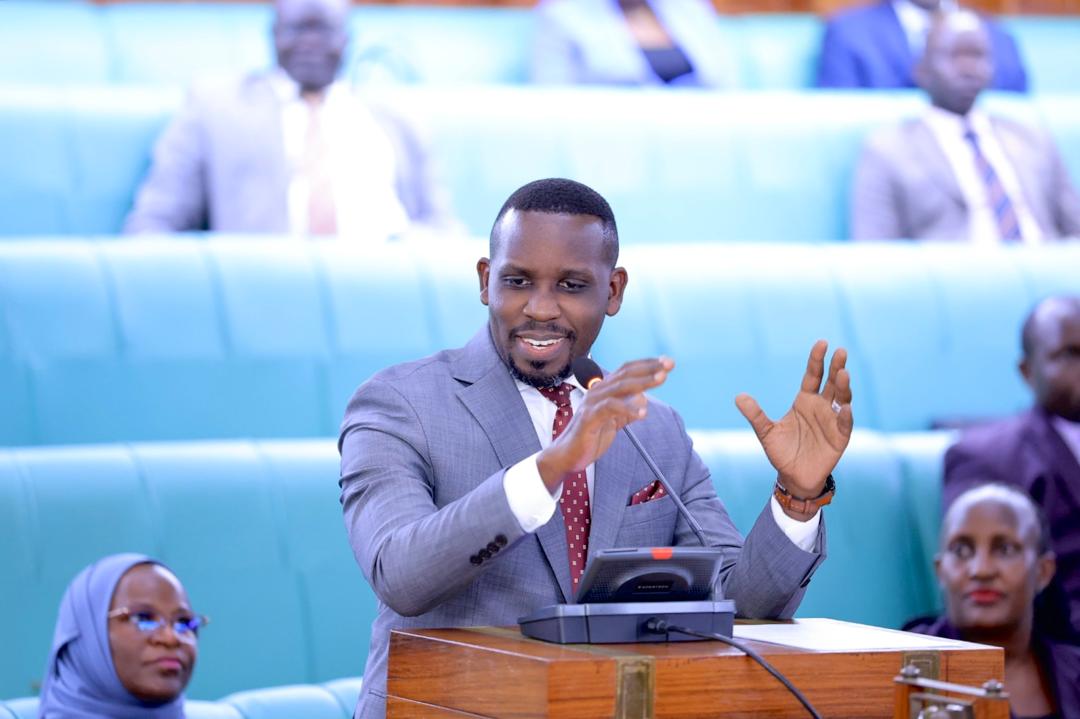
“We are concerned that the IGG’s role is extending too far down to local governments. You get surprised that they are spending more to recover less funds,” Makmot told Bbeg Media at Parliament on Monday.
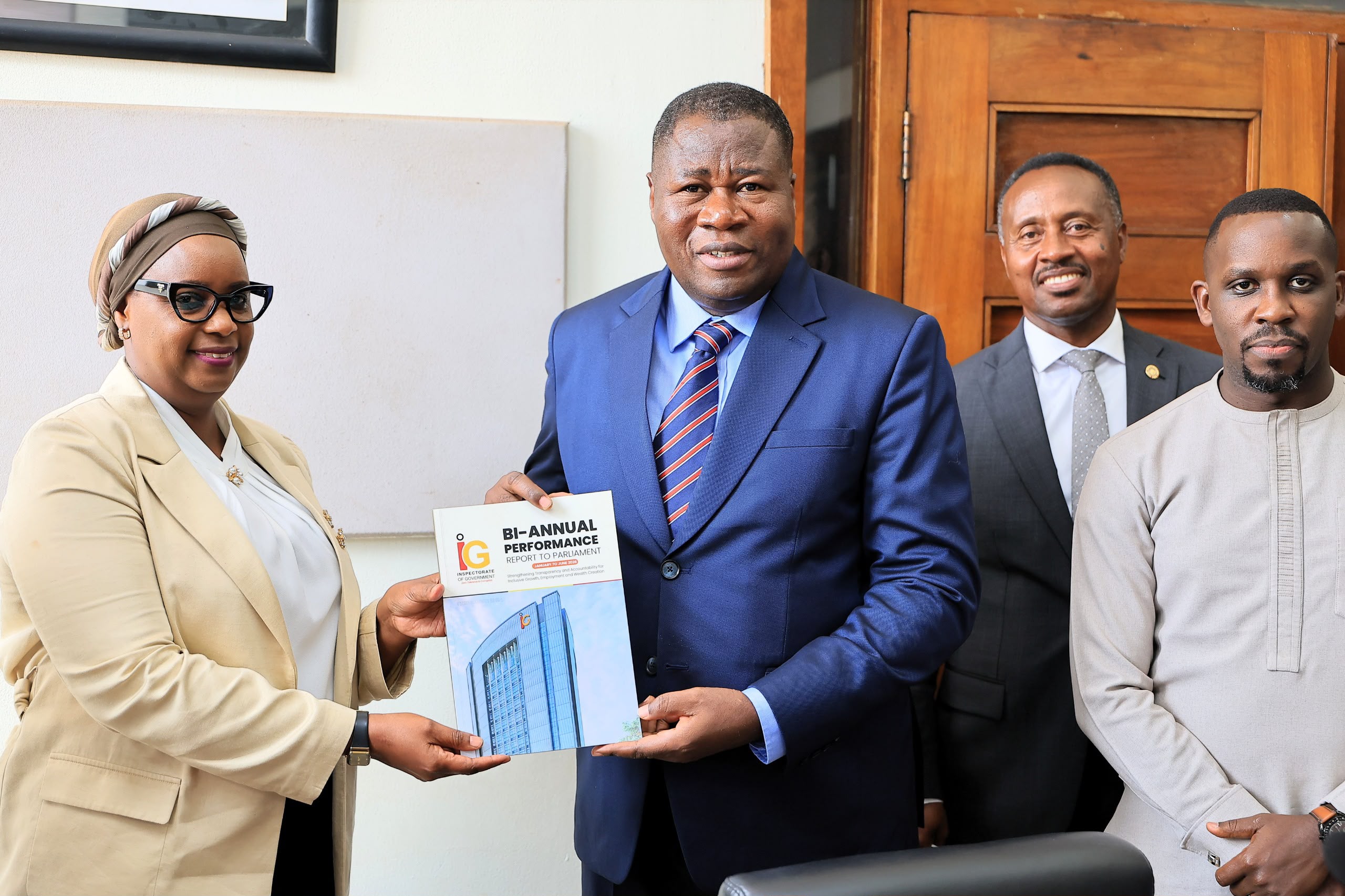
He was speaking on the sidelines of the handover of a biannual performance report by the Inspectorate of Government to Parliament.
Makmot called for greater emphasis on value-for-money audits to establish whether the resources spent investigating corruption cases translate into recoveries, accountability and better delivery of public services.
He argued that investigations should not be assessed only by the number of cases handled, but also by their financial and public accountability outcomes.
“If the state cannot recover the stolen funds, then one should question the effectiveness of the Ombudsman,” he said.
Makmot also questioned the effectiveness of the Inspectorate in the absence of a comprehensive legal framework to support the recovery of assets suspected to have been acquired through corruption and the protection of witnesses who provide evidence against suspected offenders.
He argued that the absence of specific laws on civil asset recovery and witness protection could undermine investigations and make it harder for the state to recover public funds and secure evidence against suspects.
The MP said the inspectorate needed the necessary legal tools to ensure that investigations lead to effective prosecution, asset recovery and accountability.
Makmot welcomed the engagement between the inspectorate, parliament’s leadership and committee chairpersons, saying closer cooperation was necessary to improve accountability and the management of public resources.
Despite his concerns, Makmot commended the inspectorate for initiatives aimed at improving access to its services and strengthening accountability.
These included mobile Ombudsman clinics, system reviews and recommendations, alternative dispute resolution mechanisms, and the establishment of sectoral ombudsmen in public institutions considered vulnerable to corruption.
He called for stronger collaboration between the Inspectorate and other accountability institutions, including the Uganda Human Rights Commission, the Office of the Director of Public Prosecutions, Parliament, the Ministry of Justice and Constitutional Affairs, the Uganda Police Force and the Judiciary.
Makmot said a coordinated approach would help close gaps in investigations, prosecution and the recovery of public resources.
He expressed concern that Uganda continued to generate revenue and borrow money to finance development programmes and improve public services, yet corruption undermined the intended benefits.