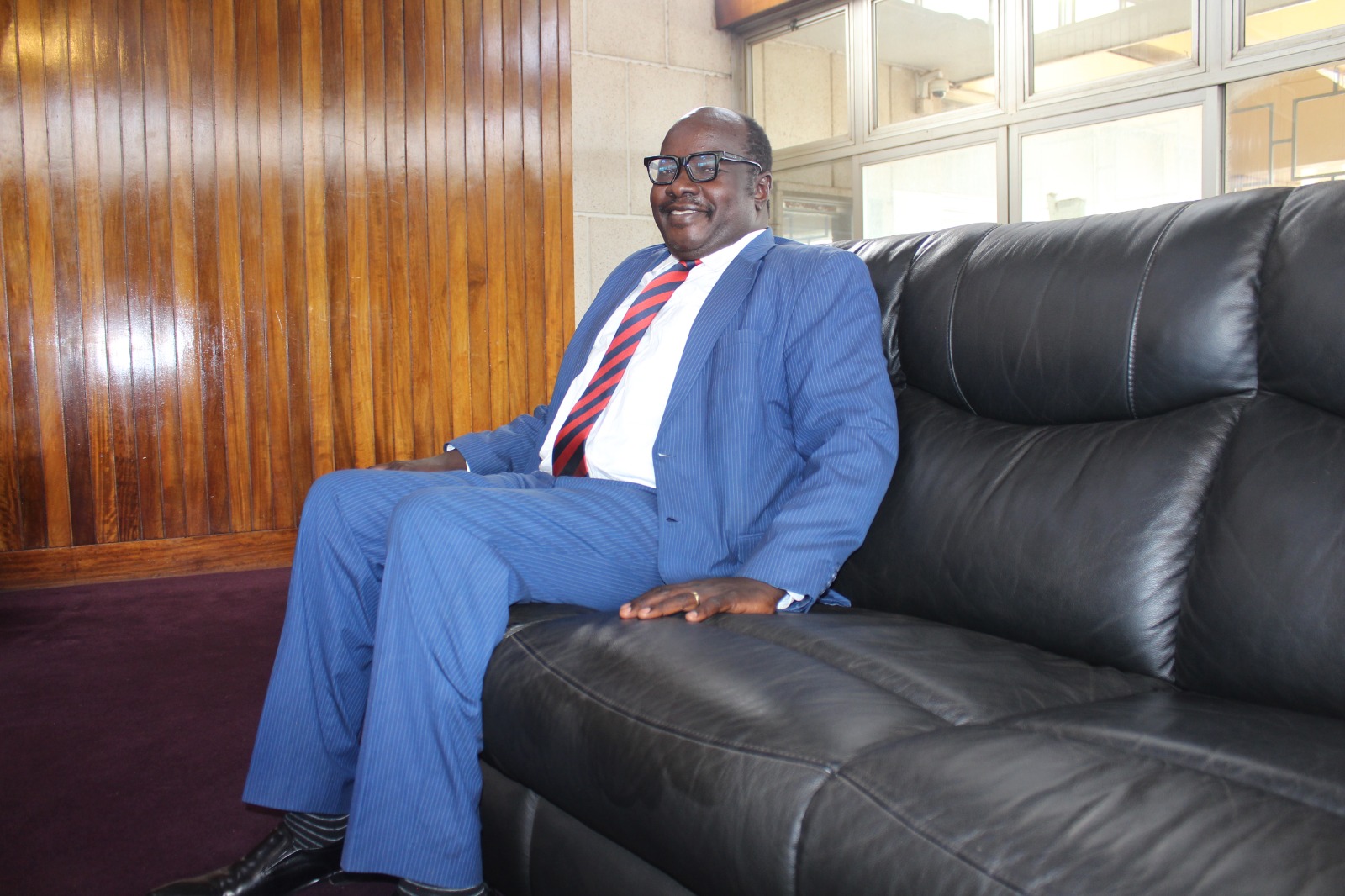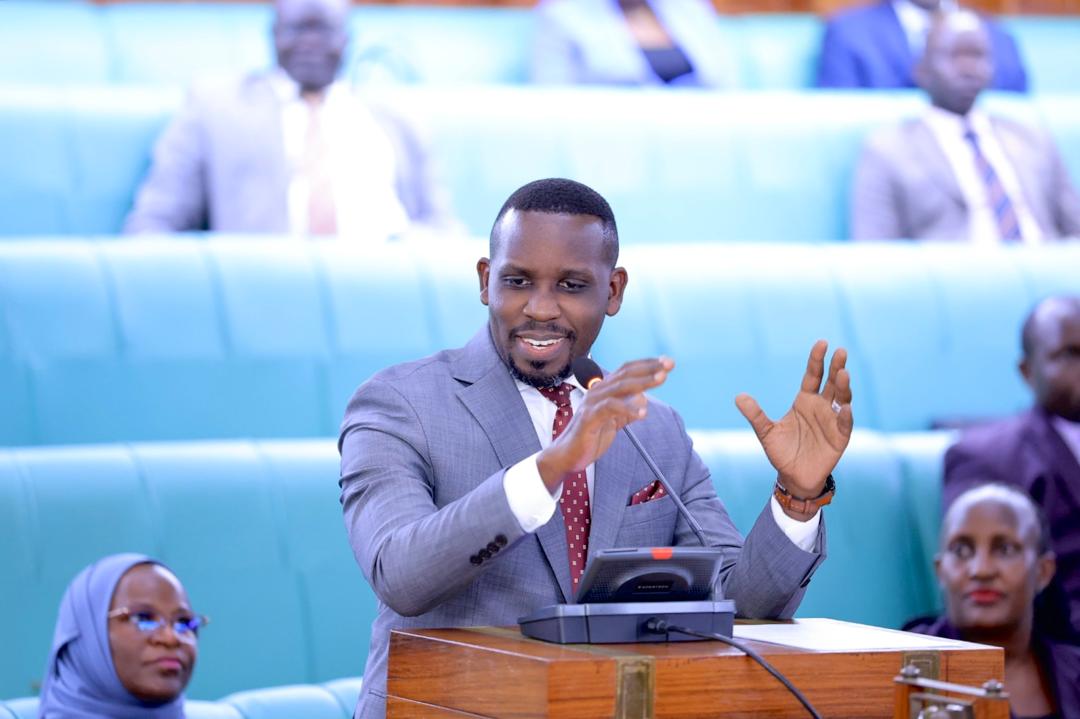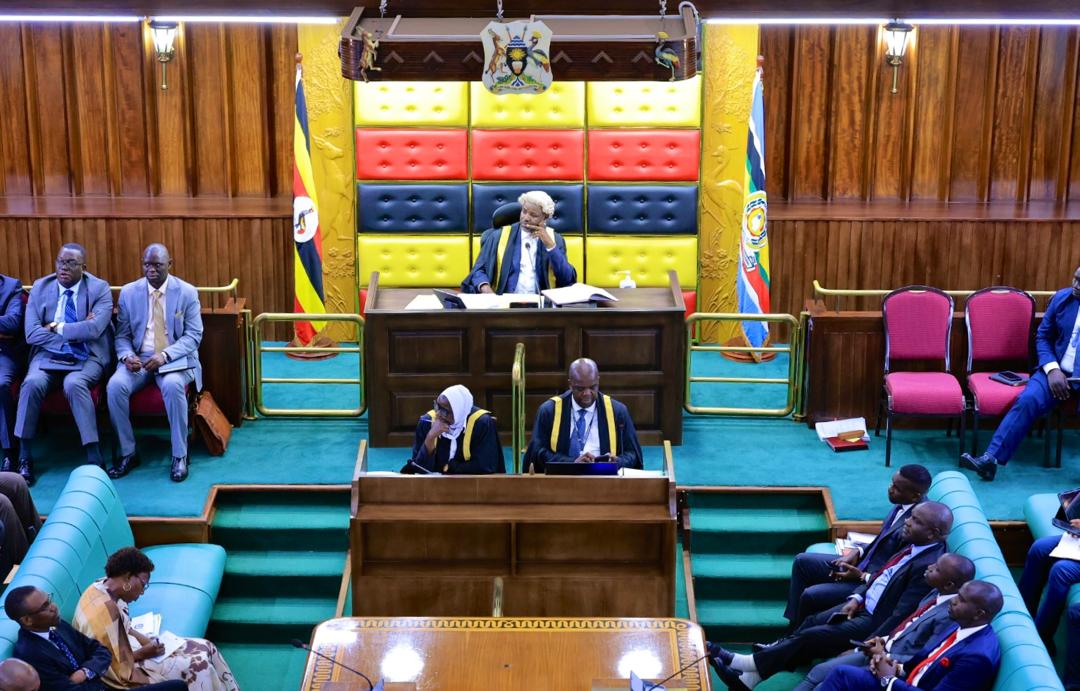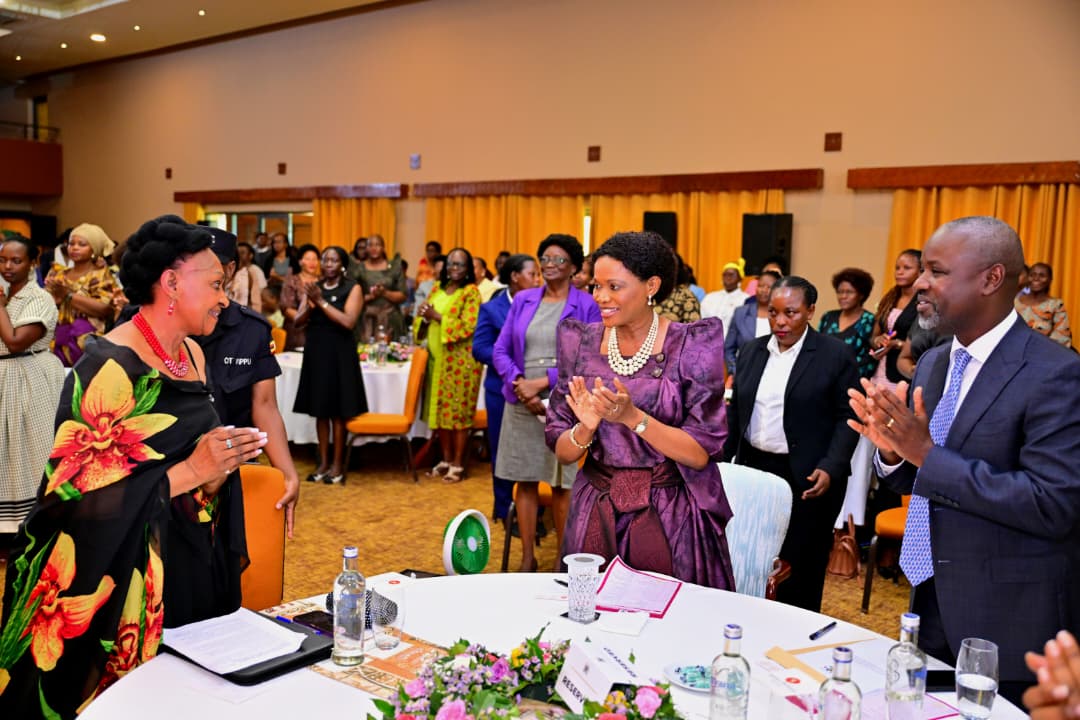
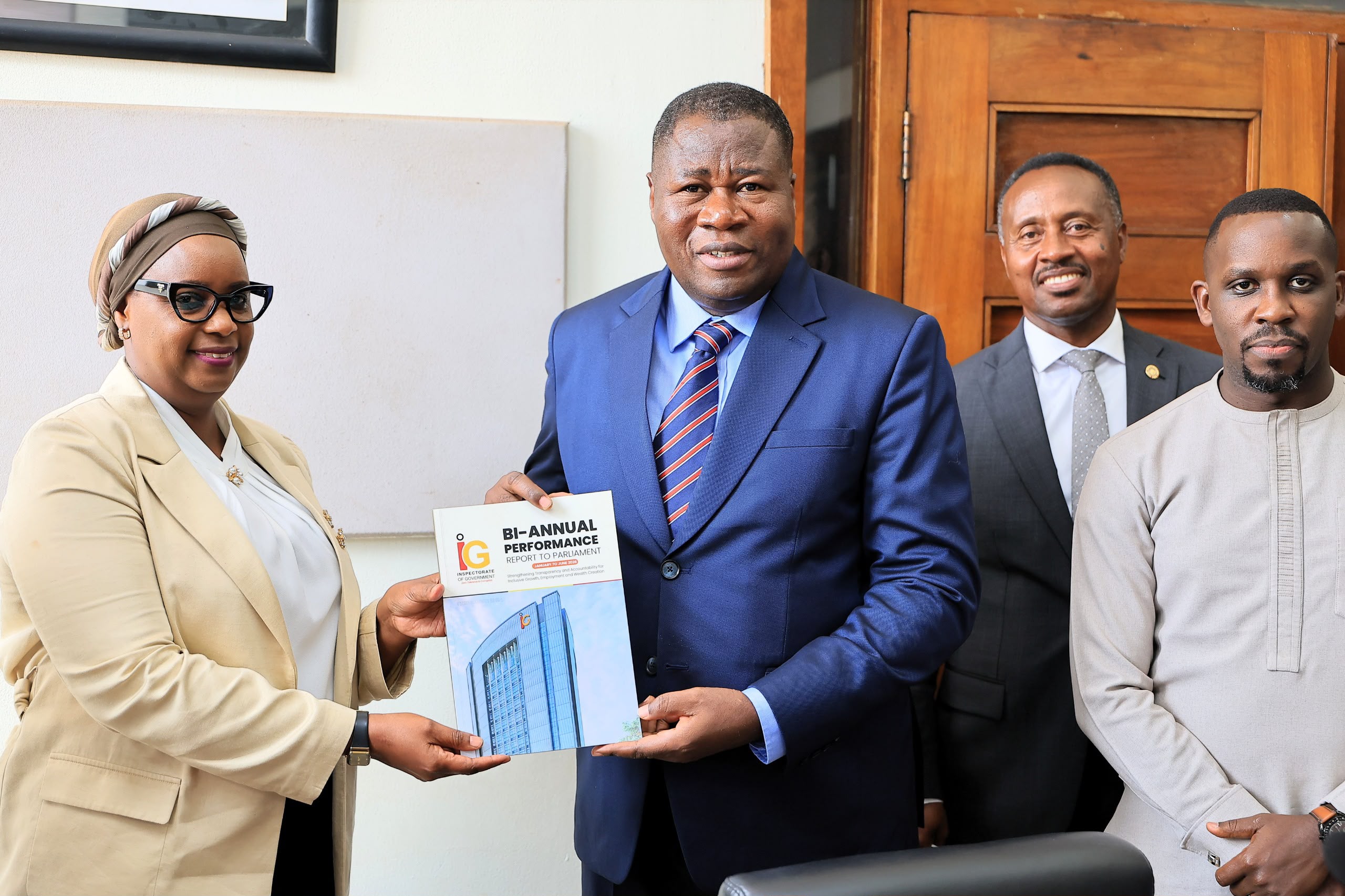
Speaker Jacob Oboth-Oboth has urged parliamentary committees to step up their work and clear the growing backlog of business in the 12th Parliament.
Oboth-Oboth, who represents West Budama Central, made the call during a meeting between parliamentary committee chairpersons and officials from the Inspectorate of Government at Parliament.
“We want to reaffirm our commitment that we shall work with you in doing your cardinal roles as the Inspectorate of Government. Some committees should do extra work to reduce backlog,” he said.
The speaker reminded committee chairpersons to compile and process recommendations arising from their oversight work and submit them to the Inspectorate of Government for action against officials and institutions implicated in wrongdoing.
He said corruption had evolved beyond its traditional forms, requiring the Inspectorate to reform its operations, recruit qualified personnel and build the technical capacity needed to investigate increasingly complex cases.
Oboth-Oboth also asked Taylor William, the chairperson of the Committee on Legal and Parliamentary Affairs, to work closely with the Inspectorate in fighting corruption and recovering stolen public funds, drawing on his previous experience in the same role.
He cautioned MPs against engaging in corruption for personal gain, urging them to live within their means and protect their integrity.
The speaker said avoiding corruption would help MPs maintain public trust and improve their chances of re-election.
The chairperson of the Committee on Commissions, Statutory Authorities and State Enterprises (COSASE), Kyadondo East MP Muwada Nkunyingi, raised concerns about delays in paying whistleblowers who report corruption.
Oboth Oboth advised the Inspectorate to consider creating a dedicated budget line for whistleblowers, saying this could encourage more people to provide information and reduce the resources spent on investigations.
Leader of the Opposition Joel Ssenyonyi questioned whether the Inspectorate adequately coordinated with other anti-corruption agencies to ensure suspects were prosecuted without unnecessary delays. He also raised concerns about alleged selective prosecution in corruption scandals brought to Parliament’s attention.
Patrick Nsamba Oshabe, chairperson of the Public Accounts Committee (Central Government), criticised the absence of parliamentary recommendations from the Inspectorate’s biannual performance report.
Betty Bakireke Nambooze, chairperson of the Public Accounts Committee (Local Government), questioned the nearly Shs8 billion spent on investigations and recoveries, arguing that the Inspectorate needed to deliver better results.
She urged the institution to widen its focus beyond human resource complaints and address unpaid salaries and benefits, disputes involving public officials, and alternative dispute resolution to help reduce case backlogs.
Inspector General of Government Aisha Batala Naluzze said an inter-agency forum had improved coordination among anti-corruption institutions and reduced duplication of work.
She welcomed efforts by Local Government Minister Balam Barugahara to address corruption but stressed that established procedures must be followed before disciplinary action is taken.
“No one is above the law,” Naluzze said, responding to concerns that some officials appeared untouchable despite investigations.