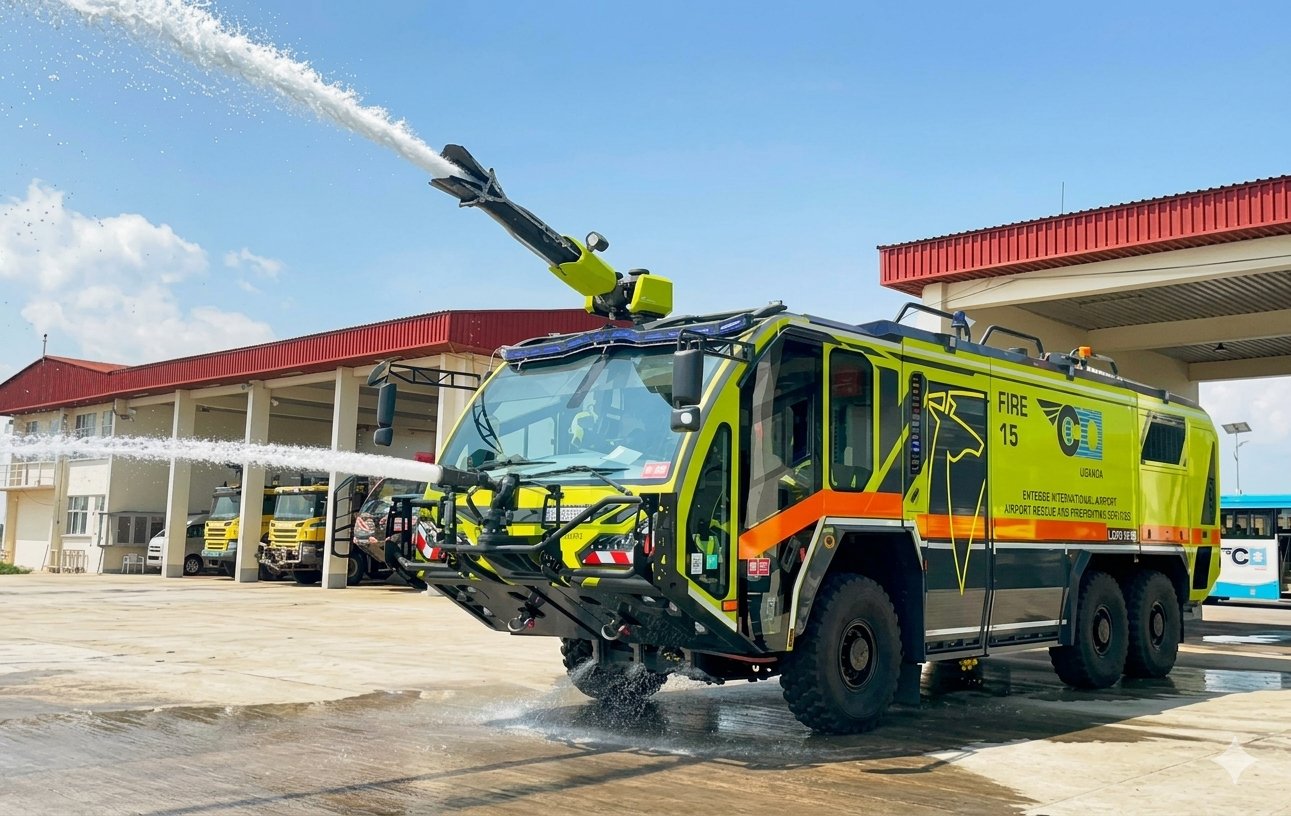
The Uganda Civil Aviation Authority (UCAA) has defended its decision to acquire a specialised firefighting truck at a cost of more than Shs5 billion, saying the vehicle is essential for maintaining safety and security at the country’s airports.
UCAA Director General Fred Bamwesigye told MPs that the vehicle should not be compared with an ordinary fire engine because it was designed specifically for use in aviation emergencies and meets international aviation standards.
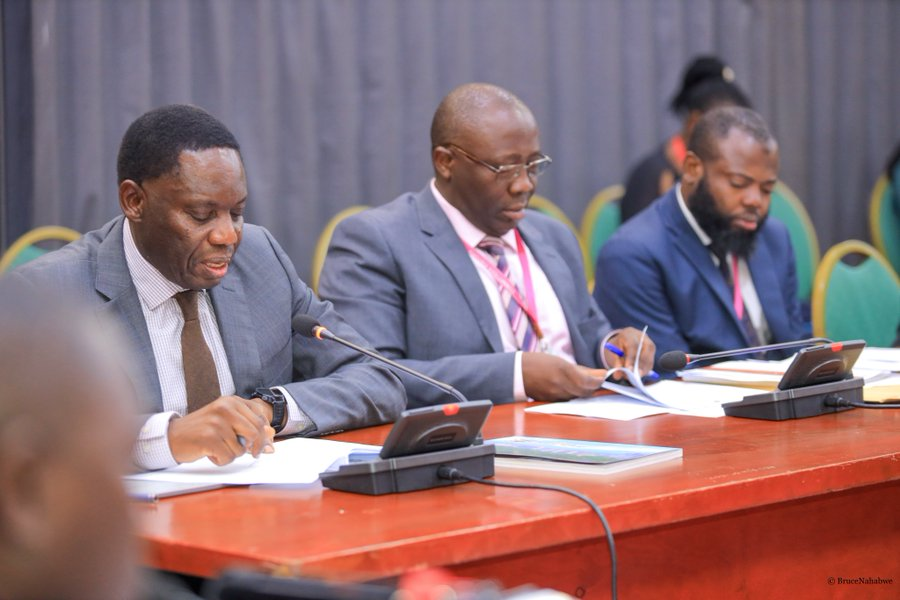
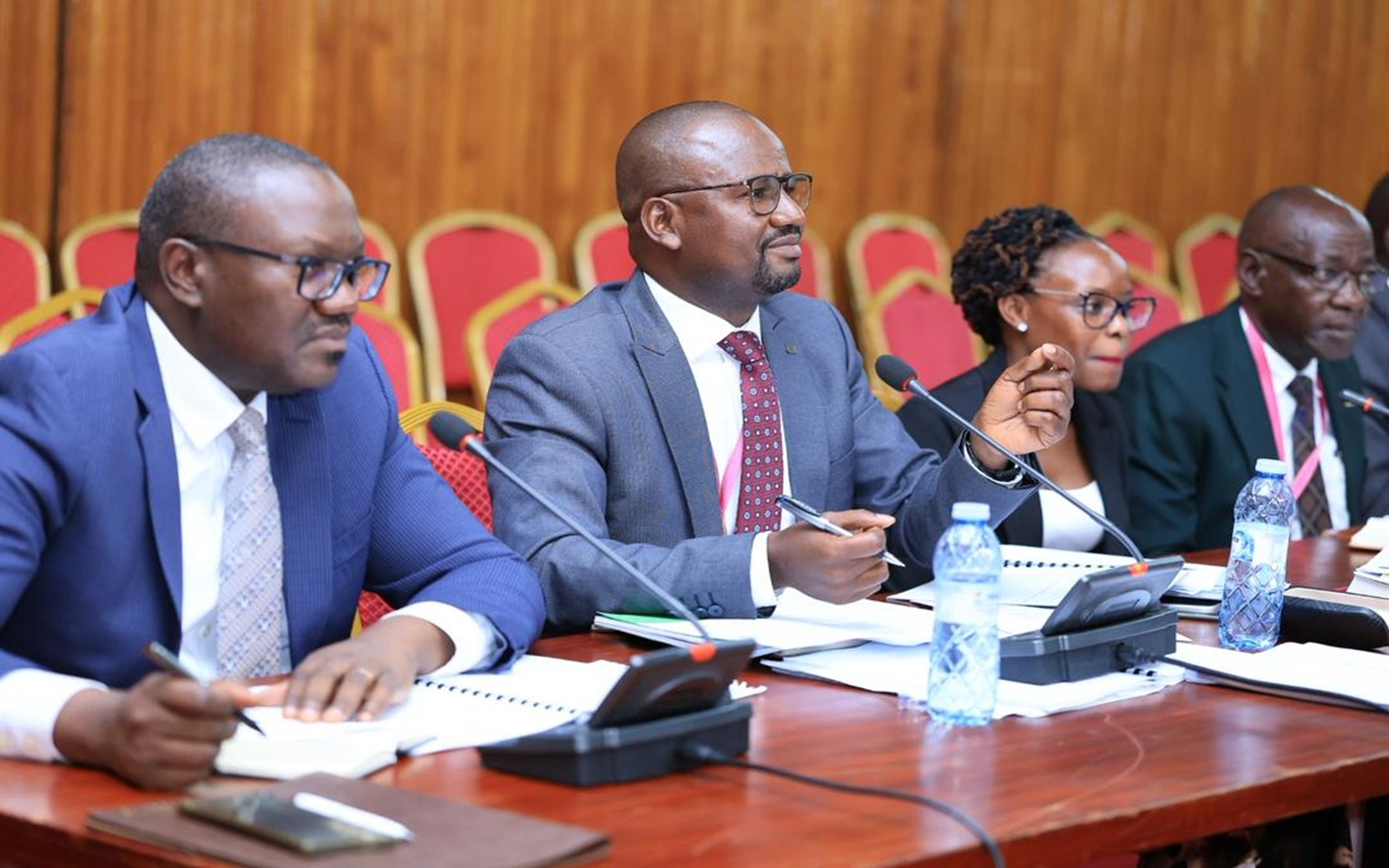
Bamwesigye was speaking on Wednesday when the UCAA leadership appeared before the Parliamentary Committee on Commissions, Statutory Authorities and State Enterprises (COSASE), chaired by Kyadondo East MP Muwada Nkunyingi.
The committee questioned UCAA officials about the specifications, cost and purpose of the firefighting vehicle, saying MPs needed more information to understand why the authority had acquired it.
Muwada said MPs had previously visited the airport and were shown the truck, but they were not given enough information about its ownership, cost and intended use.
“When we went to the airport, they showed us the truck, but we did not know whether it belonged to UCAA, its price or its purpose,” Muwada said.
Bamwesigye, however, explained that the vehicle is a specialised piece of equipment intended to respond to aircraft fires and other emergencies at the airport.
“This is not a normal firefighting truck. It is made to international standards and if we are accorded time to explain more about it, I will because I know more about such equipment,” Bamwesigye said.
He told the committee that firefighting capability is a critical part of aviation safety and that UCAA could not afford to compromise on equipment needed to protect passengers, aircraft and airport infrastructure.
Bamwesigye also assured MPs that the authority was ready to provide all the information required about the purchase.
“We have nothing to hide. We shall explain more about everything because we do not hide anything,” he said.
The committee also questioned UCAA over the termination and interdiction of staff, asking the authority to provide a list of employees who had been removed from their positions and the reasons for the decisions.
MPs said there were several reports circulating about the large number of UCAA employees who had lost their jobs and wanted the authority to provide a clear explanation.
Sabah Ahmed, UCAA’s human resource manager, told the committee that more than 80 employees had been terminated over the past two years.
“We have terminated more than 80 staff in the past two years, and this is the largest number in UCAA aviation, but we followed due process,” Ahmed said.
Bamwesigye defended the disciplinary action, saying staff dismissals are sometimes necessary to protect the integrity and security of the aviation industry.
He said some employees had been involved in activities such as aiding smuggling, while others had presented forged academic documents.
“In aviation, termination is not new. We find people aiding smuggling and we subject them to our disciplinary mechanisms, and they go. But the majority of those terminated had forged academic papers,” Bamwesigye said.
He said UCAA follows established disciplinary procedures before taking action against employees accused of misconduct.
The committee, while acknowledging the need for disciplinary action where wrongdoing is established, urged UCAA to consider ways of managing its relationship with former employees to protect the authority’s public image.
The MPs said unresolved grievances involving former staff could create negative perceptions about the authority and called for appropriate mechanisms to address such concerns.
UCAA officials were subsequently asked to return before the committee next week to provide further information on the firefighting truck, its specifications, cost and procurement, as well as details surrounding the termination and interdiction of staff.