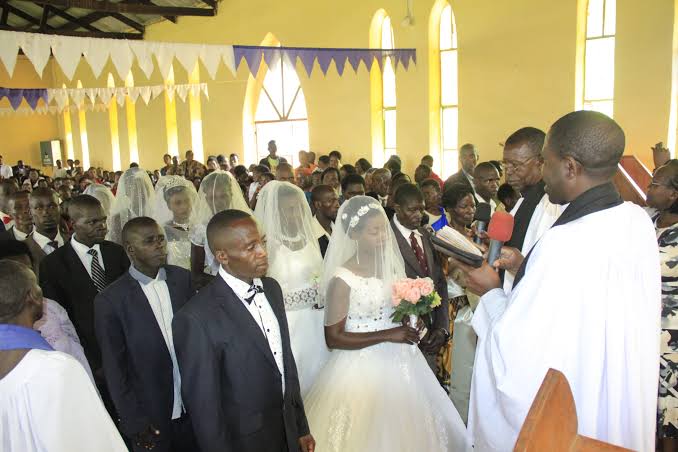
Only 3,623 marriage registrations have so far been captured in the system of the National Identification and Registration Authority (NIRA), with Christian marriages making up the overwhelming majority.
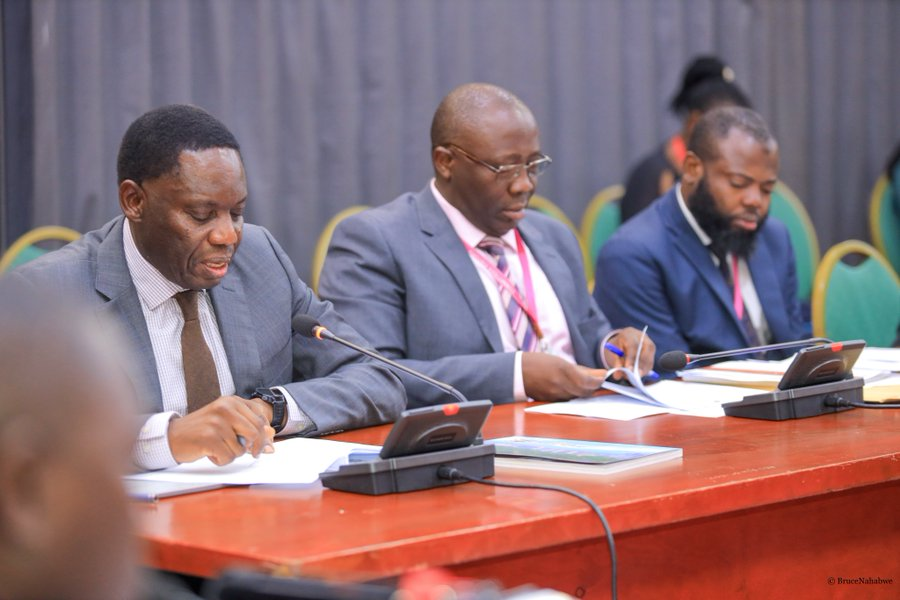
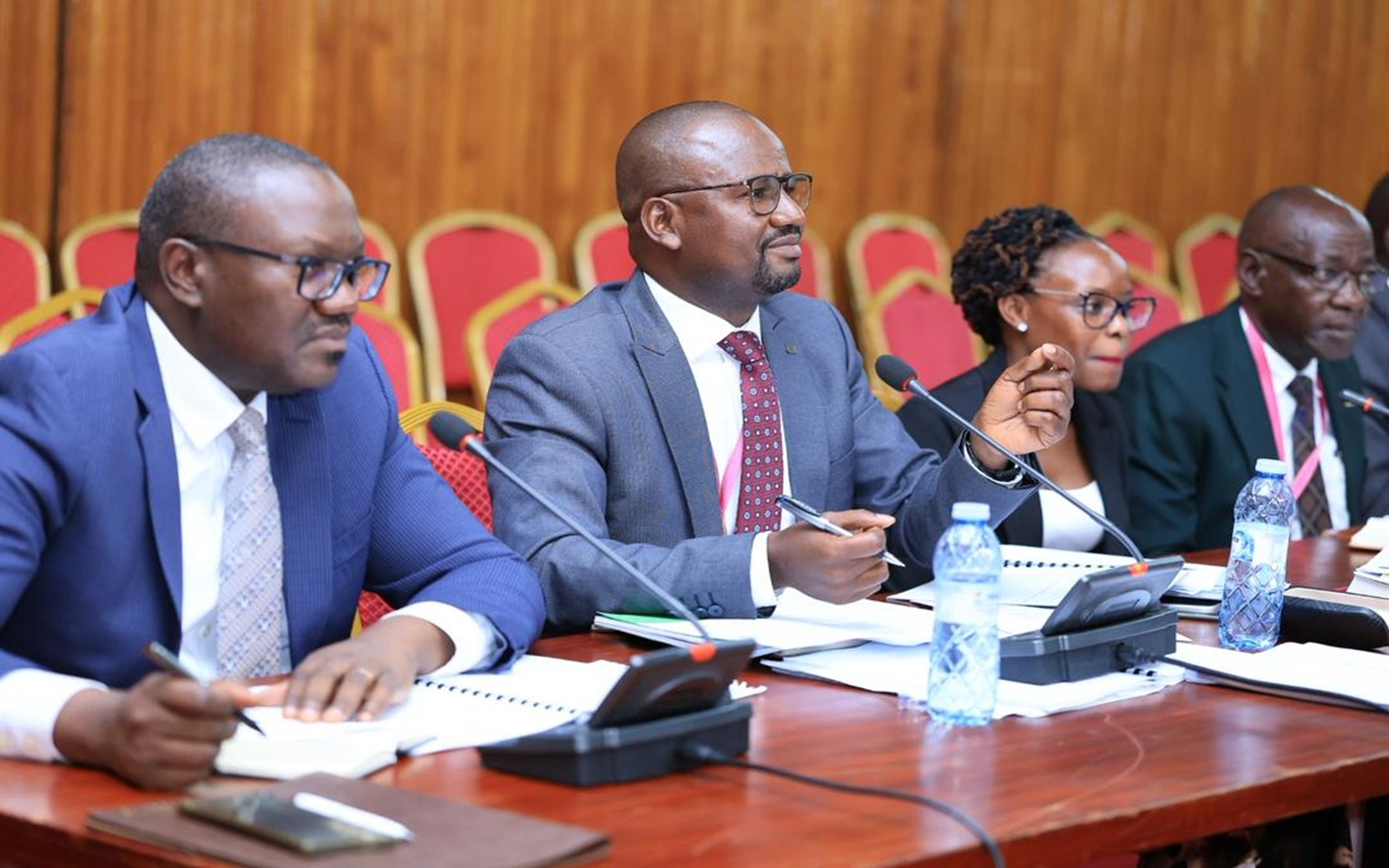
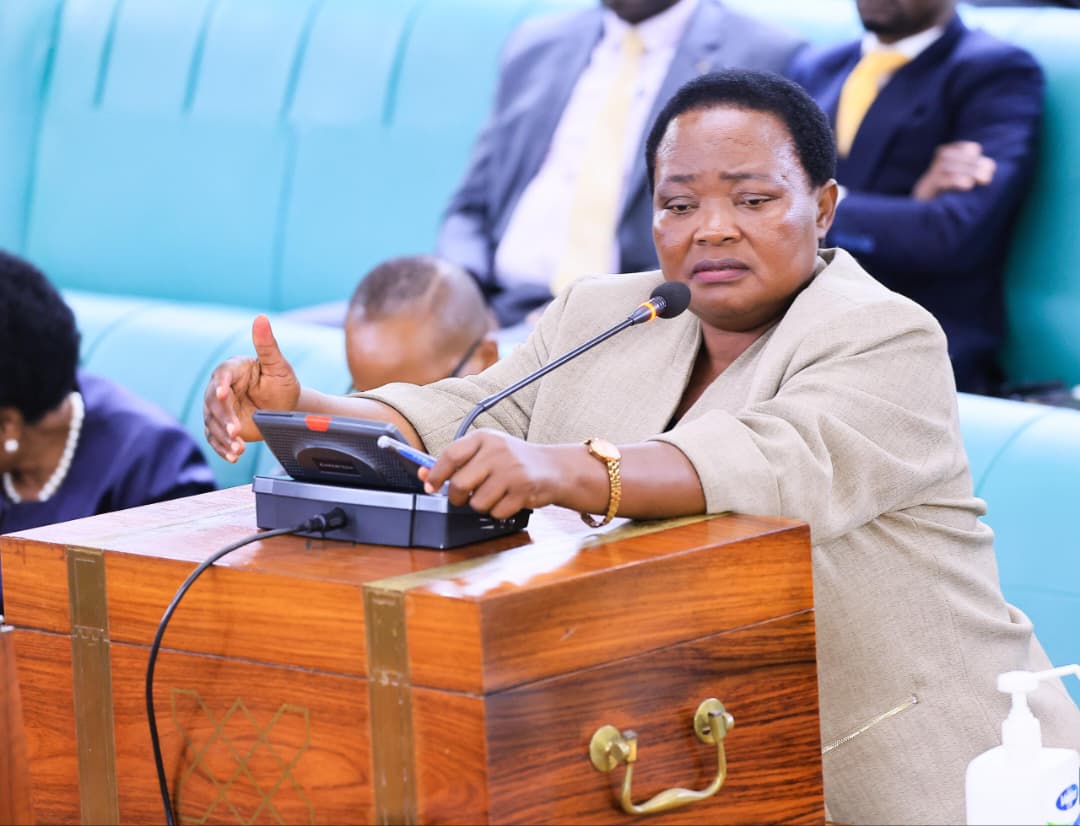
The figures were revealed by NIRA executive director Rosemary Kisembo when officials appeared before the Committee on Statutory Authorities and State Enterprises (COSASE) at Parliament.
Kisembo told MPs that the migration of the 3,623 marriage records from URSB to NIRA’s data centre had been completed.
“I want to confirm to the committee that the migration of marriage registrations from URSB to our data centre was completed,” Kisembo said.
The records show that Christians account for 2,460 of the registered marriages, making them the leading religious group in the records transferred to NIRA.
Muslim marriages are second, with 820 registrations, while customary marriages account for 256.
Hindu marriages are the least represented, with only five registrations.
This means Christian marriages account for about 68% of the 3,623 records, while Muslim marriages make up about 23%. Customary marriages account for about 7%, and Hindu marriages less than 1%.
The figures raise questions about the extent to which marriages are formally registered in Uganda, particularly outside the main urban centres.
However, the 3,623 figure presented to Parliament should not be interpreted as the total number of marriages that have taken place in Uganda. It represents the marriage registrations that were migrated from URSB to NIRA.
Kisembo said moving the records to NIRA’s data centre would help the authority strengthen civil registration and support implementation of the country’s National Development Plan IV.
The migration is part of the wider process of transferring registration functions and information to NIRA, the government agency responsible for national identification and civil registration.
But as NIRA takes on the expanded responsibility, Kisembo told MPs that the authority needs a permanent home to serve Ugandans effectively.
She said NIRA’s existing facilities do not have enough space to handle the growing number of people seeking national identity cards and other registration services.
According to Kisembo, there is no adequate space to accommodate about 3,000 customers who may require NIRA services.
The issue of accessibility was also raised by Bungokho South MP Godfrey Wokuri, who complained that NIRA offices had been concentrated in Mbale City, making it difficult for people in rural areas of his constituency to access registration services.
Wokuri asked NIRA to extend its services to rural communities instead of requiring residents to travel to the city.
Kaberamaido MP Alfred Edakasi Elalu-Olale asked whether NIRA’s limited outreach to grassroots communities was caused by inadequate funding.
He also challenged the authority to consider other methods of identification besides fingerprints.
Elalu-Olale said fingerprints may become difficult to capture for some elderly people and people whose hands have been affected by the nature of their work, including farming.
Bamunanika MP Robert Sekitoleko urged NIRA to introduce a one-stop-shop model where customers could access several services conveniently in one place.
Lugazi MP Richard Senteza also questioned NIRA officials about its current premises and advised the authority to consider using facilities belonging to the National Information Technology Authority-Uganda (NITA-U).
NIRA told the committee that it would continue engaging the Ministry of Finance for better funding and lobby for additional resources.
The authority also said it would work with the Ministry of Health to improve the registration of births and deaths and would continue reviewing its performance targets.
Mbarara North Division MP Christopher Bakashaba had earlier asked NIRA officials about the status of the transfer of marriage records from URSB to its data centre.
The committee later turned to financial matters arising from the Auditor General’s report for the 2024/25 financial year.
Committee chairman Muwada Nkunyingi adjourned the meeting until next Wednesday to allow MPs to continue examining the financial issues raised in the report.