The Insurance Regulatory Authority of Uganda (IRA) has highlighted the growing contribution of the insurance sector to Uganda’s economic development and efforts to expand financial inclusion.
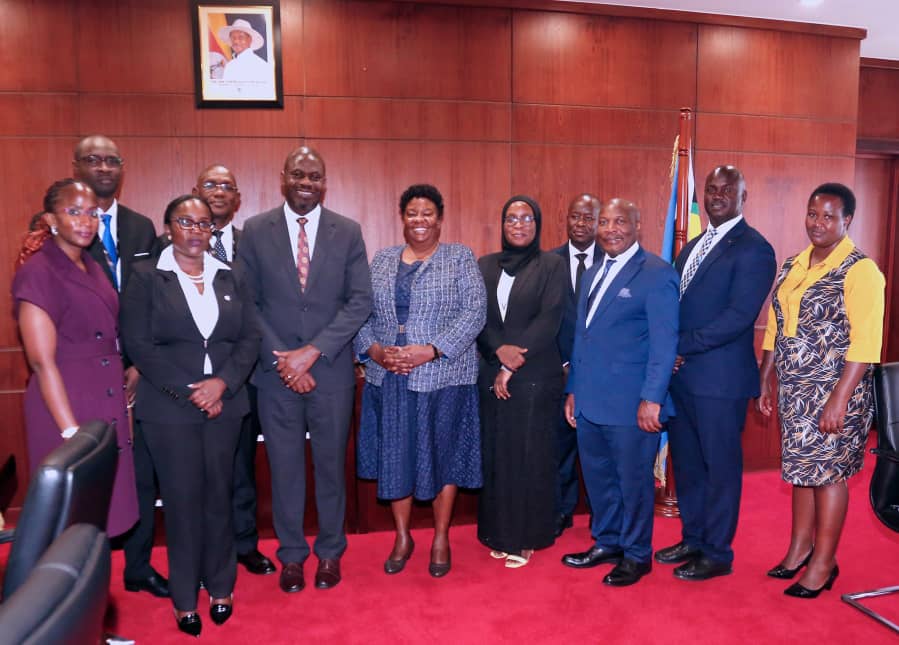
An IRA team led by the acting chief executive officer, Dr Protazio Sande, briefed the State Minister for Finance ( General Duties), Cissy Mulondo, on the performance of the insurance industry, regulatory developments, emerging opportunities and measures aimed at protecting consumers.
Dr Sande explained that the insurance sector is contributing to economic transformation by helping individuals, households and businesses manage financial risks and recover from unexpected losses.
According to figures presented by IRA, Uganda’s insurance industry recorded a major milestone in 2025 after Gross Written Premiums (GWP) crossed the Shs2 trillion mark for the first time.
GWP refers to the total amount of premiums written by insurance companies before deductions such as reinsurance and other adjustments. It is one of the key measures used to assess the size and performance of an insurance market.
The industry’s total premiums increased by 14.72 per cent, from Shs1.764 trillion in 2024 to about Shs2.024 trillion in 2025.
IRA attributed the growth partly to increasing demand for insurance products and greater awareness among individuals, households and businesses about the need for financial protection.
The strongest growth was recorded in the life insurance business.
Life insurance premiums rose from about Shs702.2 billion in 2024 to Shs977.6 billion in 2025, representing growth of 39.21 per cent.
Life insurance provides financial protection to policyholders and their beneficiaries, including through payments linked to death, retirement or other events covered by a policy.
The increase in life insurance premiums points to growing demand for products that provide longer-term financial protection and savings-related benefits.
Despite the growth, IRA said Uganda still has considerable room to expand insurance coverage.
Many households and small businesses remain either uninsured or inadequately insured, leaving them exposed to financial difficulties when they face events such as accidents, illness, death, fire or other losses.
The authority also stressed the importance of ensuring that government institutions and other owners of national assets adequately insure their property and other valuable assets.
For government, insurance can help reduce the financial burden of replacing or repairing public assets when they are damaged or lost.
IRA said the continued development of the sector will require stronger consumer awareness, appropriate regulation and increased access to insurance products, particularly for people and businesses that have traditionally had limited access to formal financial services.
Mulondo commended IRA for the sector’s performance and stressed the importance of maintaining a stable and accessible insurance industry.
She said the regulator has an important role in ensuring that insurance companies remain financially sound, operate within the law and provide services that Ugandans can understand and access.
The briefing comes as Uganda seeks to deepen financial inclusion and increase the role of financial services in supporting households, businesses and the wider economy.
With insurance premiums now exceeding Shs2 trillion annually, IRA says the sector has become an increasingly important part of Uganda’s financial system, although increasing the number of Ugandans and businesses with adequate insurance cover remains a key challenge.