The High Court has dismissed a challenge by architect Jackson Muhwezi against his five-year suspension by the Public Procurement and Disposal of Public Assets Authority (PPDA), saying he had failed to prove that the procurement regulator acted illegally, unfairly or unreasonably.
Justice Simon Peter M. Kinobe dismissed Muhwezi’s application and ordered that PPDA be paid the costs of the case.
The dispute goes back to work carried out more than a decade ago at Mary Hill High School in Mbarara, when Muhwezi’s consultancy firm, Habitat Consultants, was contracted to design and supervise the rehabilitation and expansion of the school.
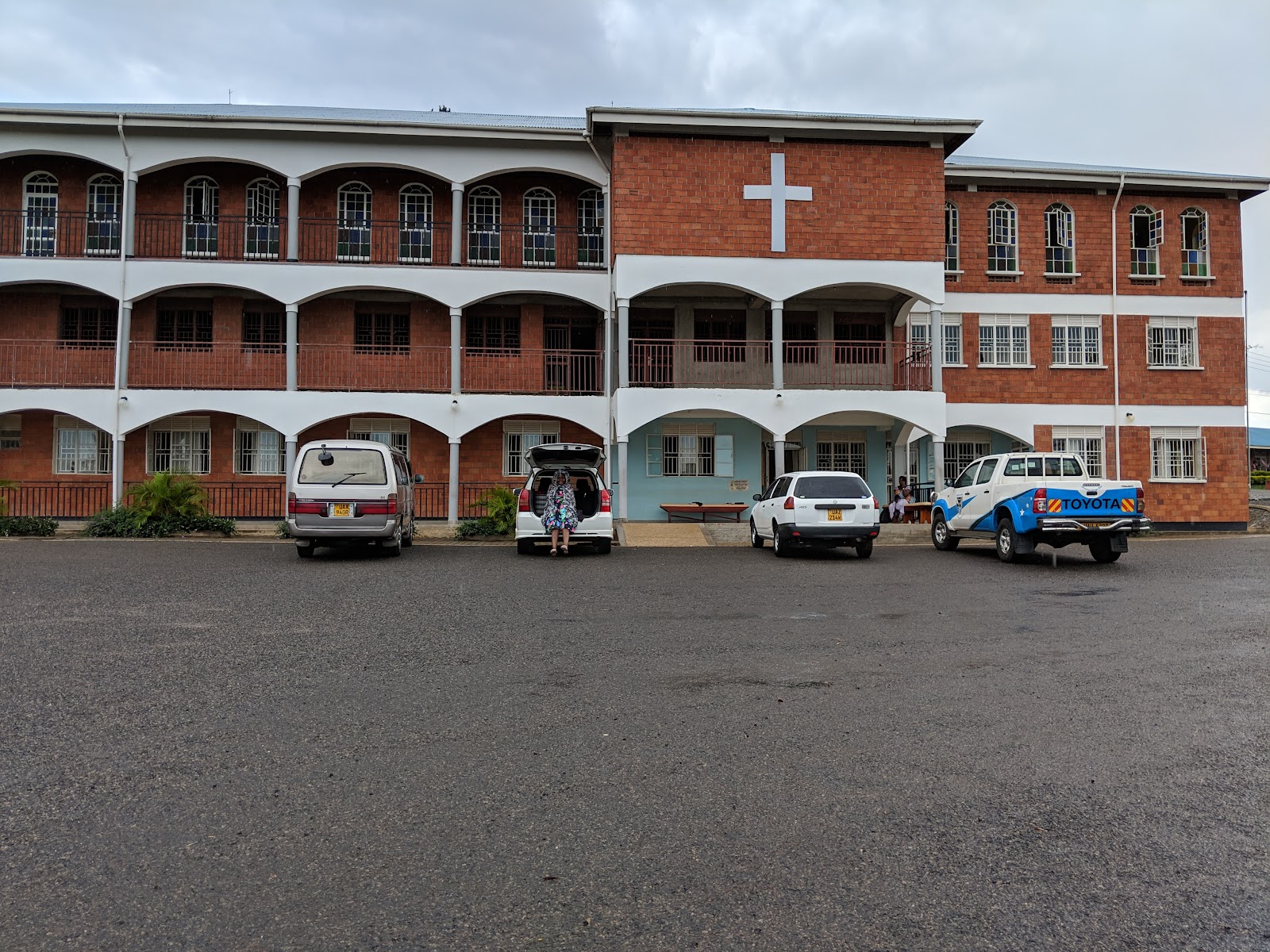
One of the major projects was the construction of a three-storey multi-functional academic building at Mary Hill.
The building was constructed by Wadi Degla Egypro Holding, trading as Egypro, an Egyptian company that had been procured by the ministry.
Habitat Consultants was responsible for the design and supervision of the works.
The works started on September 7, 2012, and were expected to take 15 months, with completion scheduled for December 7, 2013.
Muhwezi told the court that Habitat Consultants regularly held monthly site meetings during construction and prepared quarterly progress reports.
He said the works reached practical completion on December 9, 2013, after which the building was handed over to the school for use and monitoring during the 12-month defects liability period.
According to Muhwezi, after defects reported during that period were fixed, a final inspection was conducted on November 20, 2014.
The building was later handed over by President Museveni, and Muhwezi said he was given a plaque for good performance in April 2015.
Nearly eight years after the project was completed, the ministry of Education and Sports wrote to Muhwezi in June 2022, inviting him to a meeting to discuss findings from a structural integrity assessment after defects had been reported on the building.
The ministry later sent him a technical report from the Ministry of Works and Transport.
Muhwezi disputed responsibility for the problems, saying the contract had been completed and handed over. He said he could not be held responsible for defects that appeared after the defects liability period had expired.
On September 13, 2023, PPDA wrote to Muhwezi saying that, following complaints from the public, it had investigated the matter and physically verified the building.
PPDA said it had confirmed that the building had cracks and notified Muhwezi of a recommendation to suspend him. He was given until September 26, 2023, to submit his defence, which he did.
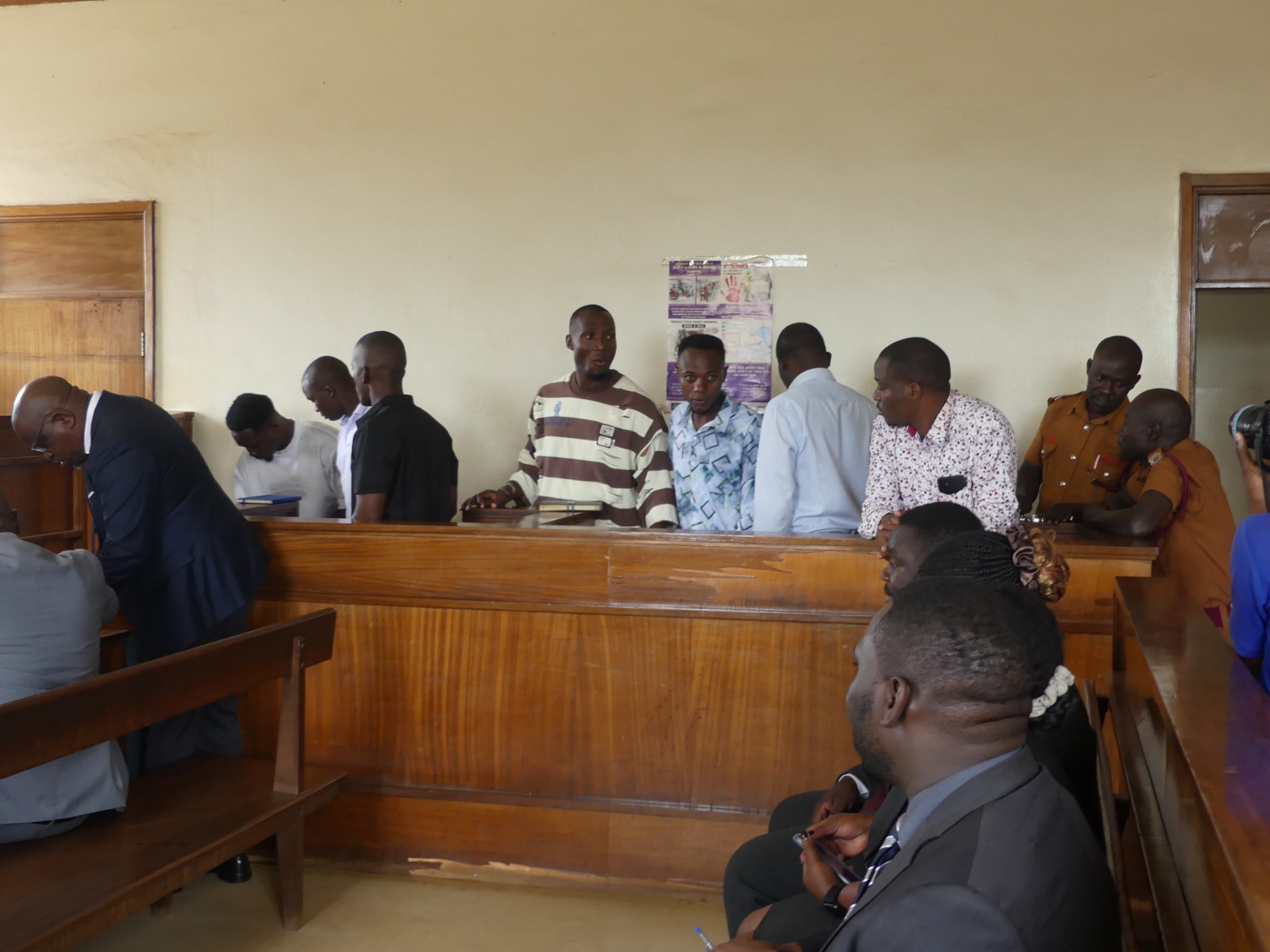
Muhwezi was later invited to a hearing at PPDA offices on April 17, 2024. He attended the meeting.
He said he was subsequently notified in July 2024 of a recommendation to suspend him and responded to it.
Muhwezi argued that the suspension was unlawful because, among other things, he had not been suspended or investigated by the Architects Registration Board (ARB), the professional body responsible for architects.
He also complained that PPDA had relied on the Ministry of Works and Transport report even though he had not participated in preparing it. He argued that the hearing was unfair because PPDA was effectively acting as both the accuser and judge.
His lawyers, Mutabingwa & Co. Advocates, asked the High Court to quash the suspension, stop PPDA from enforcing it, declare Muhwezi entitled to participate in PPDA procurement proceedings, and award him general and specific damages as well as costs.
PPDA countered that section 128 of the PPDA Act gives the authority the power to suspend a provider either following a recommendation from a procuring and disposing entity or after carrying out investigations on its own initiative.
PPDA argued that it had investigated the matter, invited Muhwezi to submit evidence, and later allowed him to appear before a hearing.
It also argued that there was no legal requirement for an architect to first be suspended by the ARB before PPDA could suspend the person from participating in public procurement.
Asha Arinda, a senior structural engineer at the ministry of Works and Transport, who headed the technical team, told the court that investigations found serious problems with the building.
She said the technical team concluded that some beams and columns did not have enough capacity and that the building was not strong enough to withstand the loads imposed on it.
The team blamed several factors, including inadequate foundation considerations, defective materials, inadequate structural design and poor quality control during implementation.
Muhwezi maintained that he had done his job properly and that the defects liability period had expired.
A 14-year-old boy was accused of defiling a five-year-old girl. Court acquitted him
But Justice Kinobe rejected his argument that PPDA had no power to suspend him simply because the ARB had not taken action against him.
He said there were two different regulatory systems; one was the professional system governing architects, while the other was the procurement system operated by PPDA.
Justice Kinobe said PPDA has its own powers over service providers participating in public procurement and that there was no legal requirement for the ARB to first suspend Muhwezi.
“I accordingly agree with [PPDA] that there is no legal requirement for suspension by a professional body to precede suspension of a service provider,” Justice Kinobe said.
He also rejected Muhwezi’s complaint that he had not been given a fair hearing, noting that he had been invited to the April 17, 2024 hearing, attended it and presented his defence.
The PPDA minutes showed that Muhwezi had explained that monthly site meetings had been held, defects reported during the defects liability period had been corrected and a final inspection had been conducted.
“It is clear from the above that the respondent took into account the applicant’s defence,” Justice Kinobe said.
He also considered Muhwezi’s argument that PPDA had acted too late, coming years after the project had been completed, but said professional responsibility was different.
“Ethical conduct is not hinged on timelines. It is contractual liability that is encumbered by time, not professional ethics,” he said.
However, he stressed that the High Court was not being asked to decide whether the building actually met professional standards because that would require evidence to be heard and tested, which is outside the limited scope of judicial review.
In the end, Justice Kinobe said Muhwezi had failed to prove illegality, procedural impropriety or irrationality and dismissed his application.