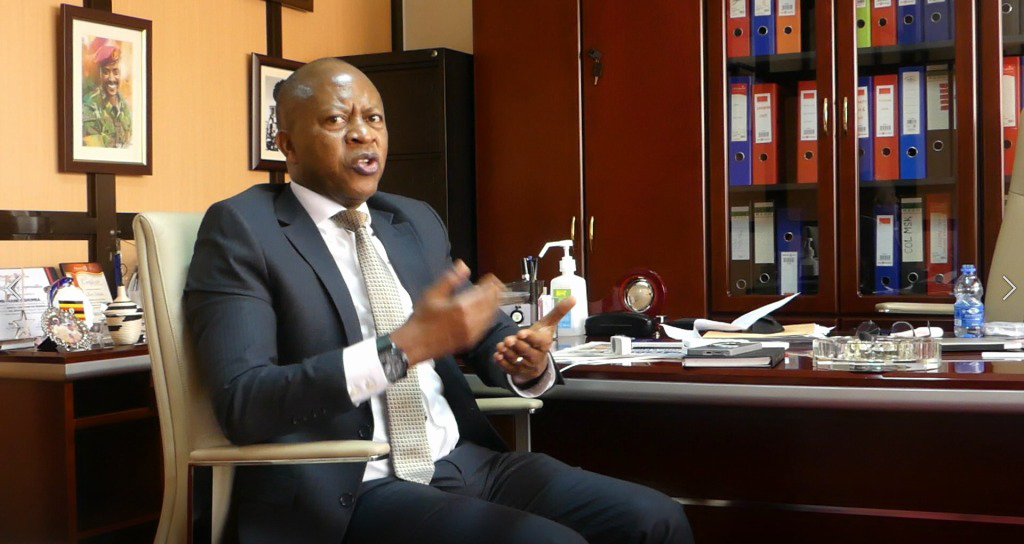
The Abavandimwe have praised President Museveni for intervening in their long-running dispute over access to Ugandan passports, saying his guidance has helped address what they describe as discrimination in the processing of their citizenship documents.
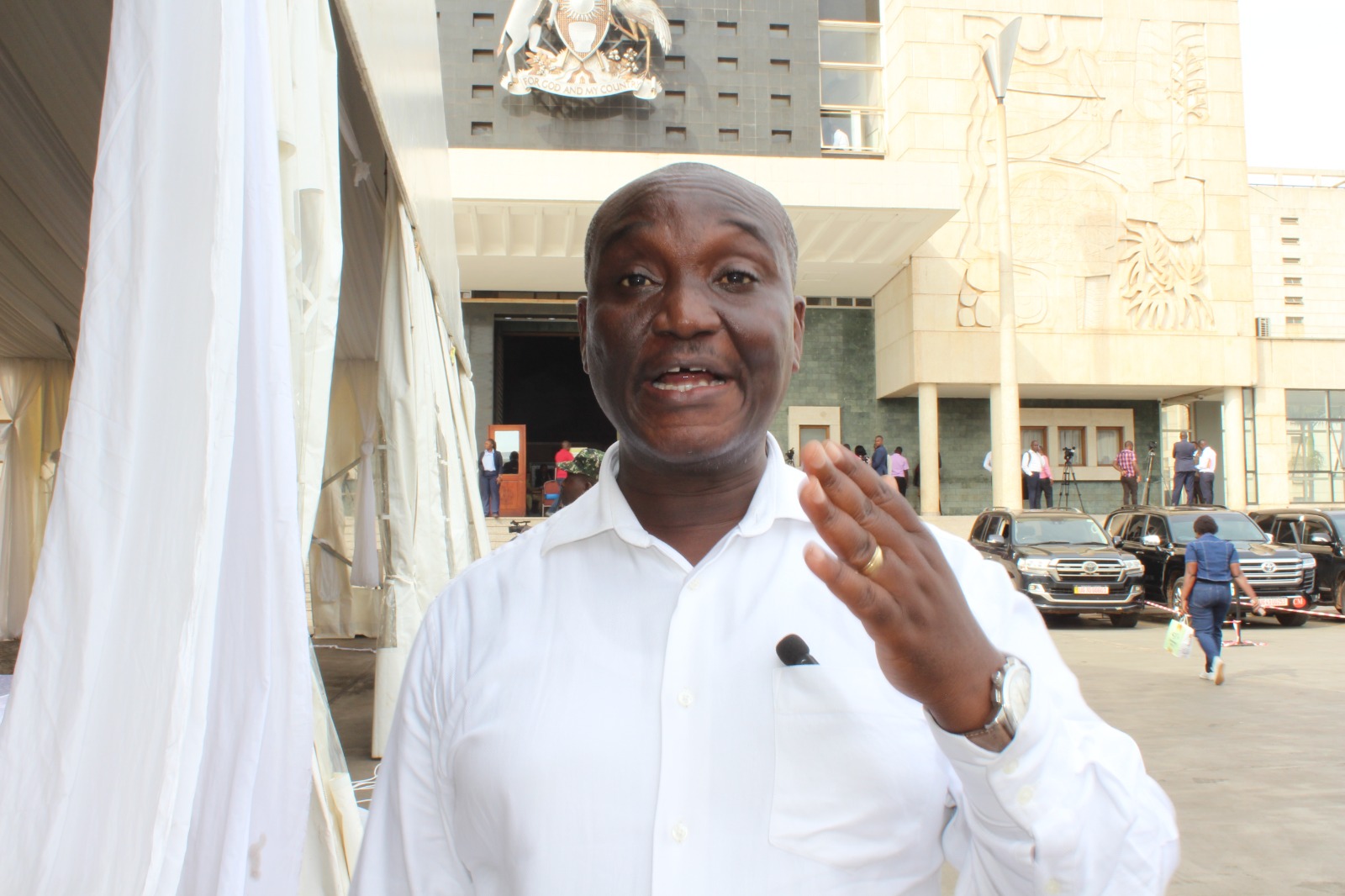
Speaking to Bbeg Media, Frank Gashumba, a member of the community which has Rwandan heritage, said the Bavandiimwe had raised their concerns directly with Museveni during a meeting at State House, Entebbe.
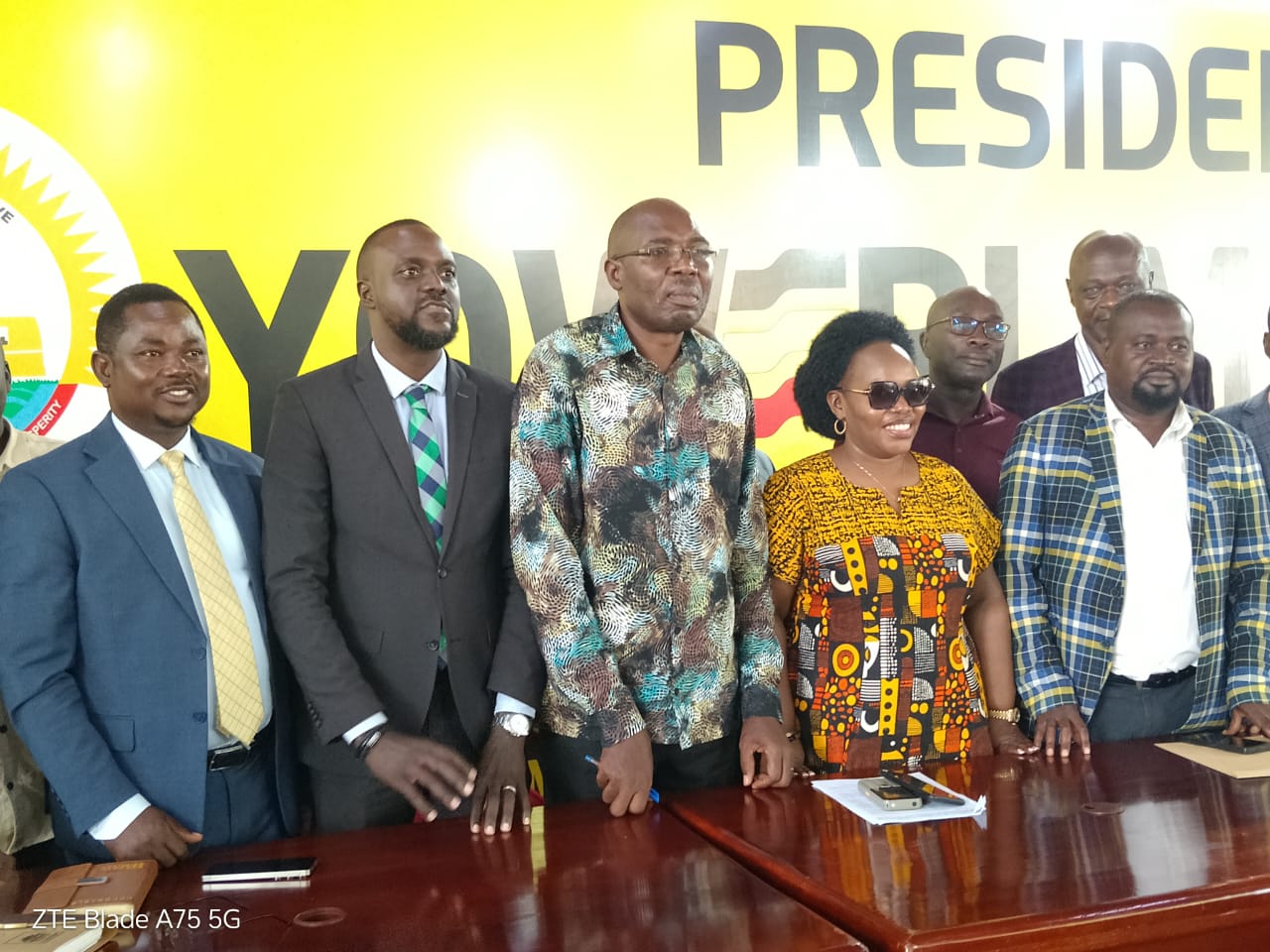
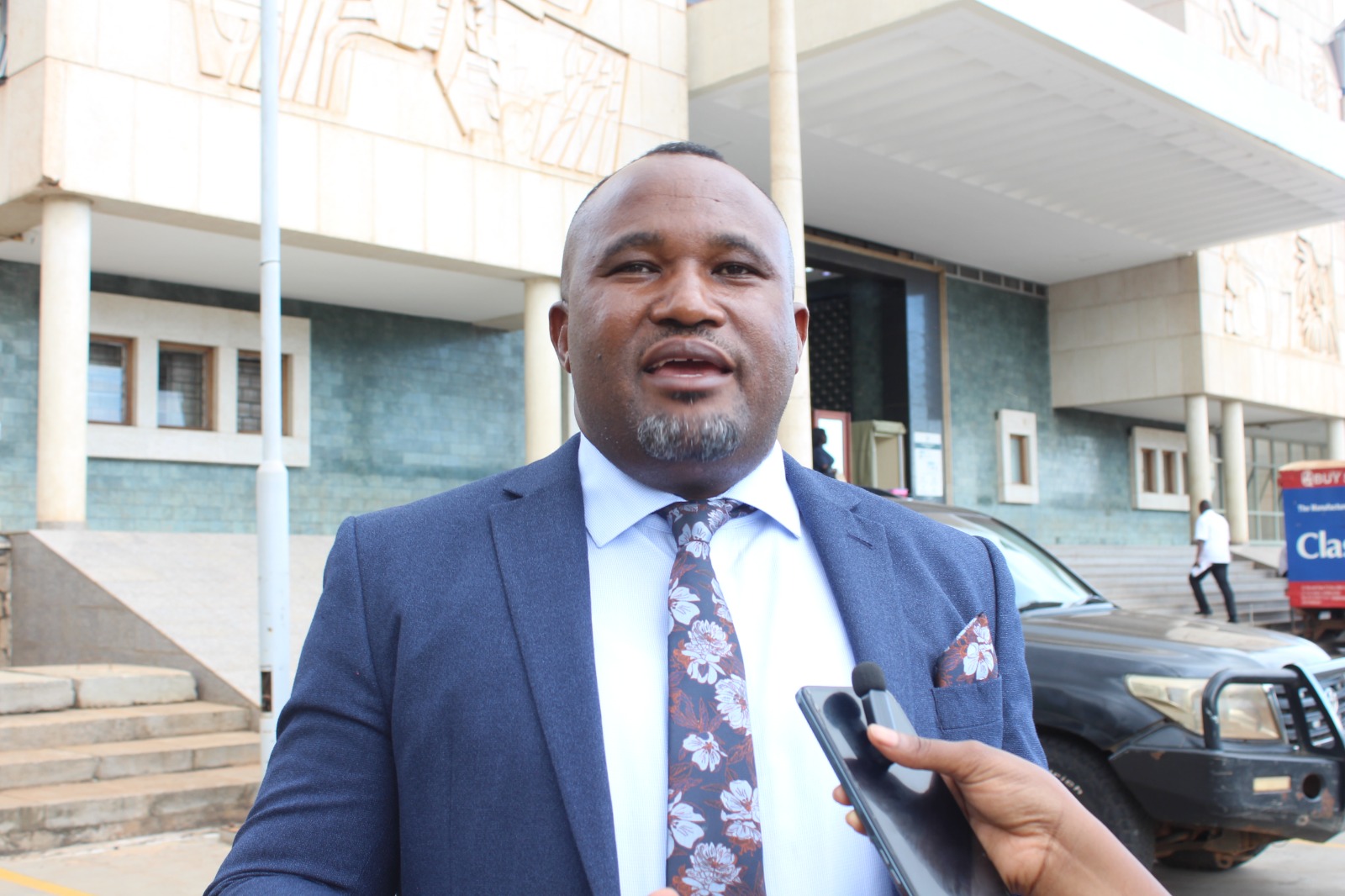
The group was represented by several of its leaders, including Gashumba, while lawyer Fred Mukasa Mbidde represented them in their legal efforts.
Gashumba said the group had complained to the president about difficulties some of its members had experienced while applying for Ugandan passports.
“We owe Museveni a lot because he listened to our concerns and directed his officials to establish whether these people were eligible for Ugandan passports,” Gashumba said.
According to Gashumba, Museveni directed his aides to make copies of the national identity cards presented by members of the group and instructed security and intelligence officials at sub-county level to carry out due diligence on their citizenship claims.
Gashumba said the verification process subsequently established, according to the group, that the affected applicants met the requirements for Ugandan passports.
He said the intervention had given the group hope that its members would no longer face difficulties when seeking citizenship documents.
The controversy has partly centred on the status of people who identify as Abavandimwe, particularly those whose families have lived within present-day Uganda for generations.
Gashumba argued that some members of the group had faced difficulties establishing their citizenship despite possessing Ugandan national identity cards.
He claimed that some names had at different times been difficult to trace in government registration records, which he said complicated efforts by affected individuals to prove their citizenship.
Gashumba said the group believes that people whose ancestors were already resident within the territory that became Uganda should not be treated as foreigners solely because of their Rwandan ancestry.
He said the group had previously considered seeking a constitutional interpretation of the matter through the courts before the President became involved.
Gashumba said the presidential intervention had helped move the matter towards administrative verification rather than prolonged litigation.
He welcomed the appointment of Juma Witonze as Minister of State for Internal Affairs, saying he expected the new minister to improve service delivery in departments responsible for immigration and passport services.
He called for stronger action against officials who demand illegal payments from citizens seeking government services.
Gashumba said some members of the Abavandimwe group had previously been asked to provide documents such as land titles, birth certificates and other records to support their citizenship claims.
He said obtaining some of the documents was difficult, particularly for people whose families had lived in Uganda for several generations and whose births had not always been formally registered.
On corruption, Gashumba called for tougher punishment for public officials found guilty of taking bribes or abusing their offices.
He even suggested that the government should establish special prisons for people convicted of corruption, arguing that stronger penalties would deter public officials from engaging in graft.
The group says the resolution of the passport dispute could help strengthen social cohesion by ensuring that Ugandans who meet the legal requirements for citizenship can access identification and travel documents without discrimination.