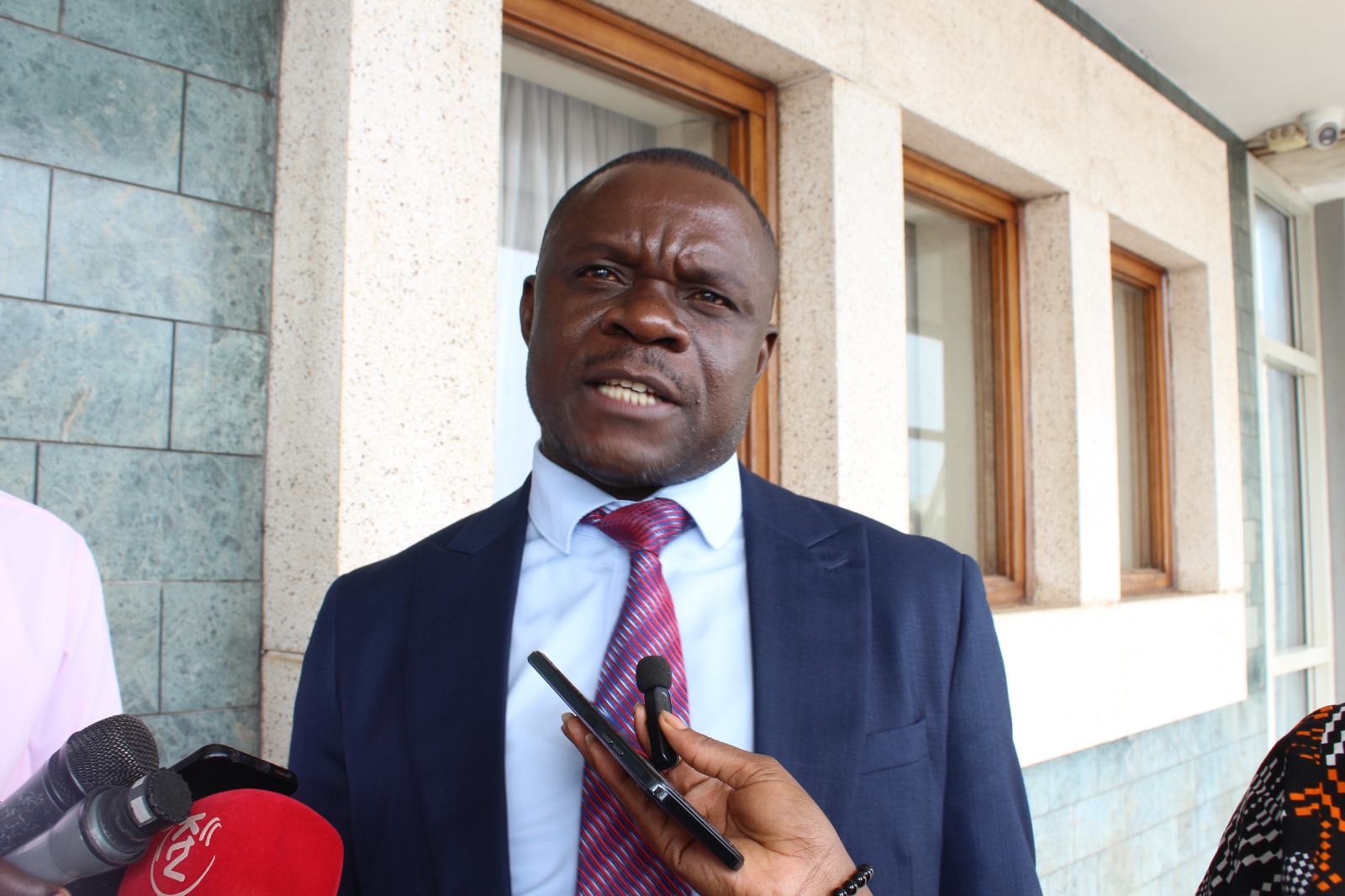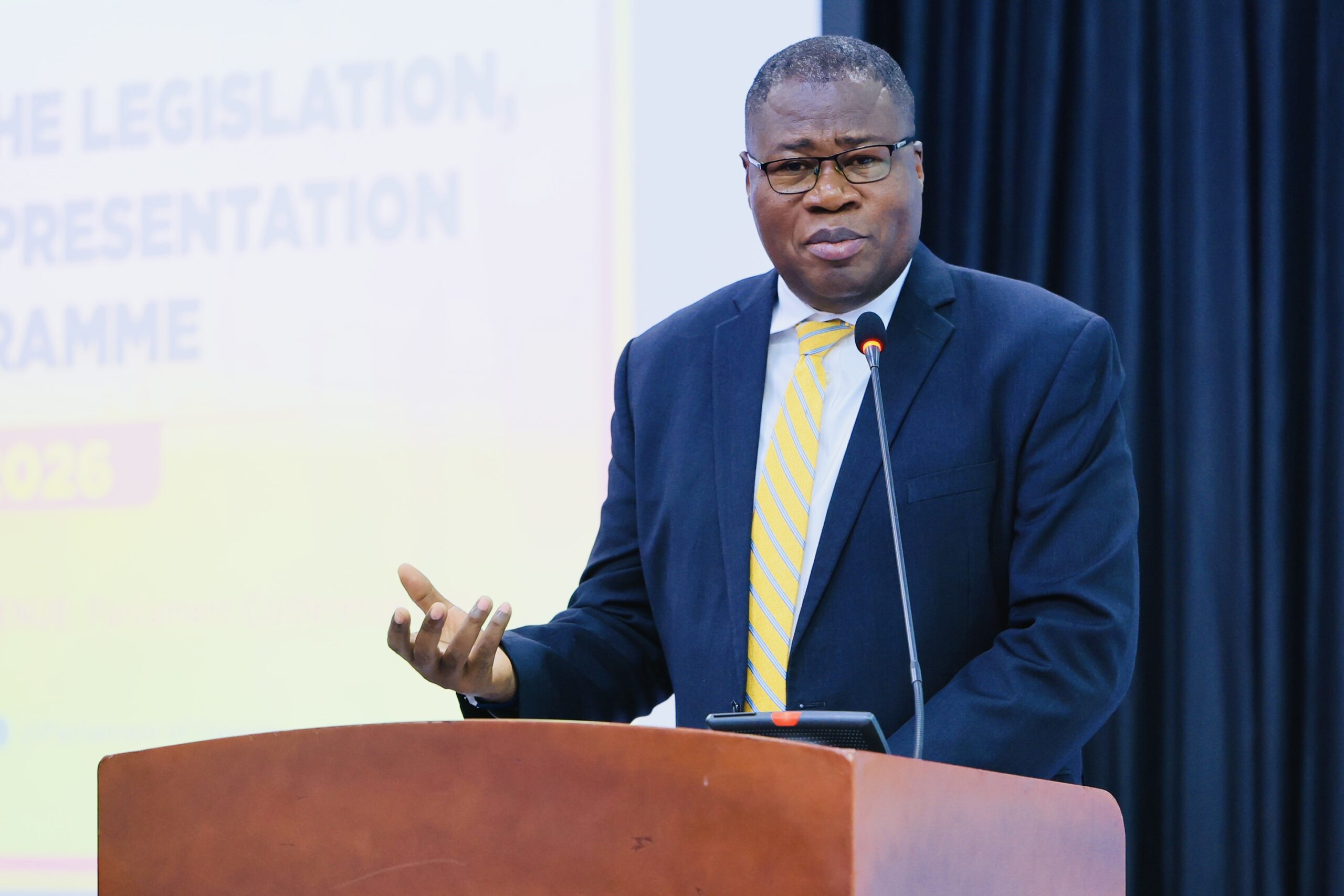
Corruption became a major talking point at the thanksgiving service of Parliament Speaker Jacob Marksons Oboth, with religious leaders and Deputy Speaker Thomas Tayebwa offering different views on the causes of the vice and how it should be addressed.
The Anglican Bishop of Bukedi Diocese, Samuel Bogere Egesa, challenged Parliament to lead the fight against corruption, saying lawmakers should set an example by upholding the laws they make.
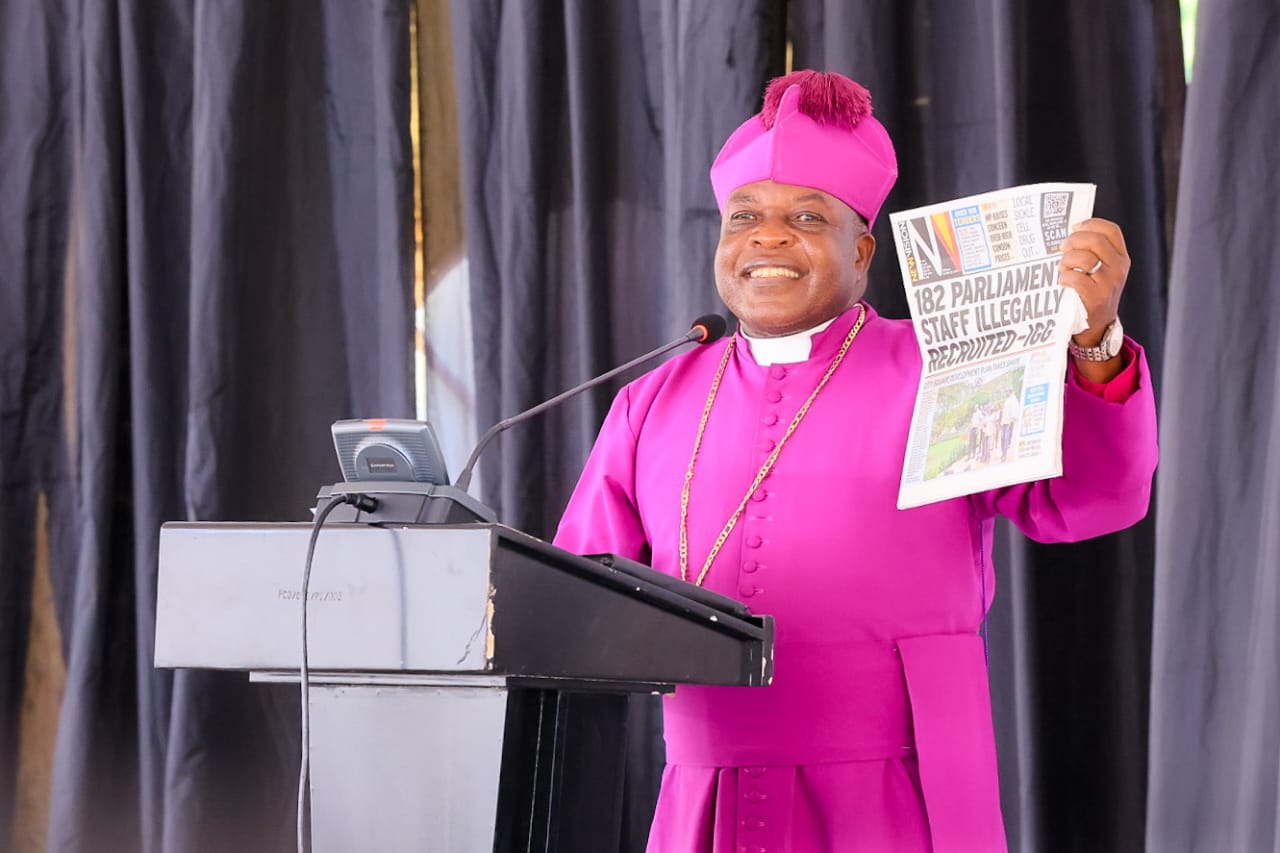
Egesa was among the guest preachers at the service, where he questioned reports that 182 parliamentary staff had been recruited illegally, as highlighted in a newspaper report by the New Vision.
Holding up a copy of the newspaper at intervals during his address, the bishop expressed concern that alleged irregularities could occur within an institution responsible for making laws and holding government accountable.
“This was not published by me. Maybe some people have become experts in doing evil,” Egesa said, referring to the report.
He urged MPs and other public officials to use the thanksgiving celebrations as an opportunity to reflect on their conduct and renew their commitment to honesty and integrity.
The service was held under the theme, “Stand, look for the good way and walk in it.” Egesa said the message should inspire leaders to reject corrupt practices and make decisions that serve the public interest.
“We must refuse to participate in corruption,” he said.
The bishop’s remarks placed accountability and ethical leadership at the centre of the celebrations, challenging Parliament to demonstrate the values it expects other institutions and citizens to uphold.
Deputy Speaker Thomas Tayebwa agreed that corruption needed to be confronted but cautioned against treating it solely as a political problem, arguing that it was also a moral issue that required collective responsibility.
“Corruption is taken as a political issue, but it is also a moral issue. We need to handle it as a wholesome issue,” Tayebwa said.
He suggested that the pressure public officials face to offer favours was part of the wider challenge, saying MPs regularly receive requests to intervene on behalf of people seeking opportunities, including employment for their children.
“We receive calls for favours every day, people asking us to fix their children somewhere, including from religious leaders,” Tayebwa said.
While Egesa focused on the responsibility of Parliament to uphold the law and reject wrongdoing, Tayebwa argued that the fight against corruption should go beyond politics and involve society more broadly.
Speaker Oboth did not directly address the corruption allegations during his remarks. Instead, he called on lawmakers to remember that public office is a responsibility entrusted to them for the benefit of others.
“Public office is a trust, and it must be seen in the way we do things,” Oboth said.
His message emphasised the need for public officials to demonstrate integrity through their daily decisions and conduct.
The exchange of views at the thanksgiving service highlighted the continuing challenge of corruption and the different approaches leaders take when discussing its causes and possible solutions.
While the religious leader stressed the duty of lawmakers to set an example, Tayebwa called for a broader moral response, and Oboth urged leaders to use their positions in the service of the public.