The ministry of Trade has urged the private sector and local alcohol manufacturers to encourage informal producers to formalise their businesses in a move aimed at increasing the country’s tax revenue.
The call follows concerns raised by Uganda Breweries Limited (UBL), one of the largest taxpayers, which says it continues to shoulder a heavy tax burden while many alcohol producers operate informally and contribute little or nothing to the national tax base.
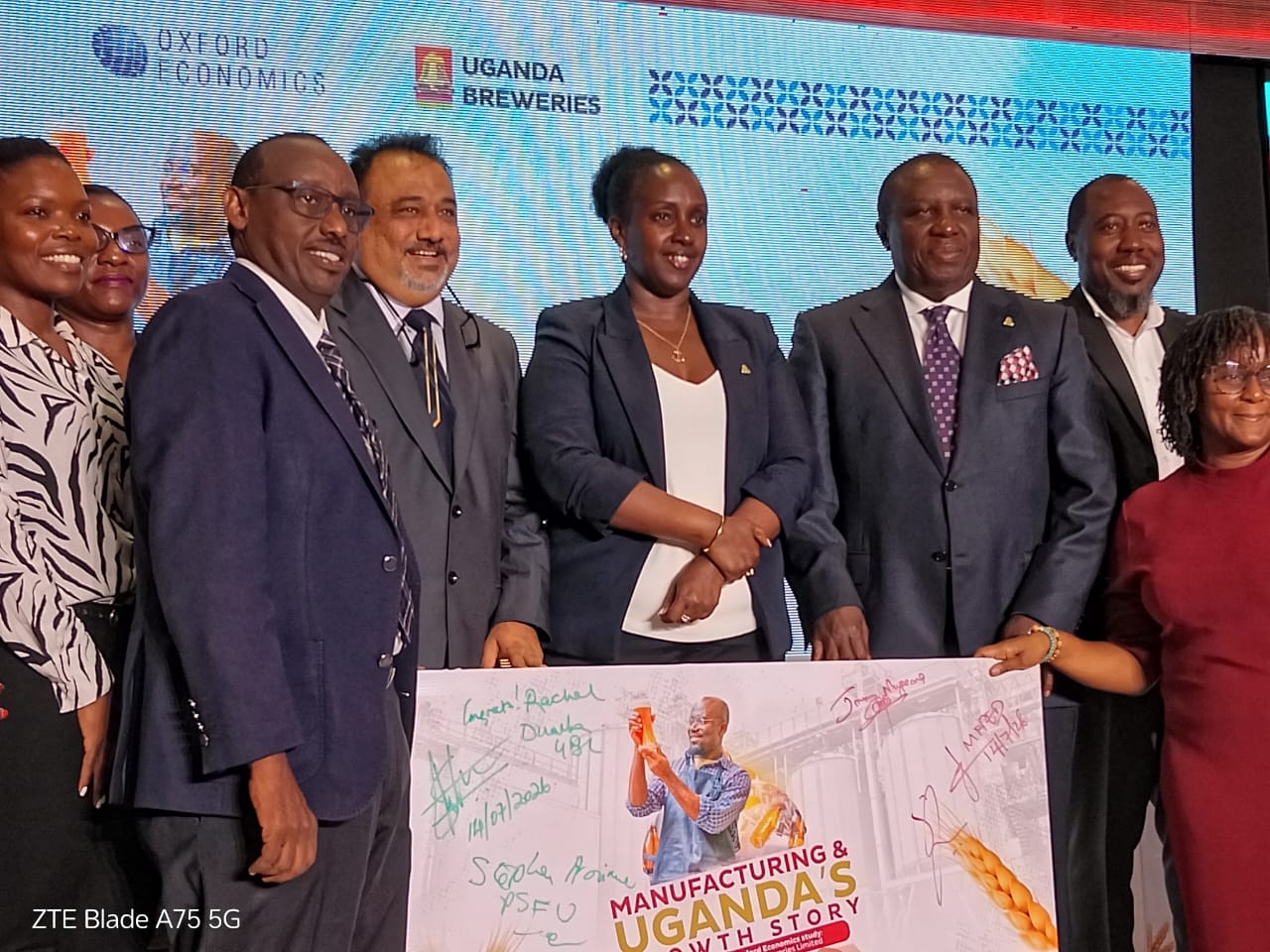
Speaking at an industry event, the minister of Trade, Sanjay Tanna, said paying taxes is a legal obligation that should apply equally to all businesses.
“Everyone has a duty to pay taxes. Taxation should be inclusive, and every business should contribute to national development,” Tanna said.
He assured manufacturers of the government’s continued support but urged them to embrace import substitution by prioritising locally made products and inputs.
“I am also a manufacturer, and I believe we must promote goods that are made in Uganda. Uganda Breweries has already penetrated markets beyond Uganda, and I encourage the company to continue championing locally manufactured products,” he said.
Tanna also encouraged manufacturers to invest more in agriculture by sourcing raw materials locally and supporting farmers. He said companies should continue equipping workers with skills to improve productivity and increase manufacturing capacity.
Uganda Breweries also appealed to the government to adopt a more comprehensive taxation policy for the alcohol industry instead of focusing mainly on established companies that already comply with tax laws.
The company said many informal alcohol producers continue to evade taxes, creating unfair competition for compliant manufacturers.
UBL is among Uganda’s biggest taxpayers, contributing between Shs 420 billion and Shs 430 billion annually.
Pamela Bagenda, the company’s Head of Sustainability, said UBL remains committed to expanding its business both locally and internationally, but is concerned that many players in the sector are operating outside the formal economy.
“We continue to pay significant taxes, yet many manufacturers in the same industry contribute little or nothing because they operate informally. This is something the government must address urgently,” Bagenda said.
She cited findings from a study conducted by Oxford Economics East Africa, which showed that a significant proportion of alcohol consumed in Uganda comes from the illicit market.
According to Bagenda, illicit alcohol is often produced by informal manufacturers who do not meet regulatory standards or pay taxes.
She warned that the growing illicit alcohol trade not only reduces government revenue but also exposes consumers to serious health risks because such products are manufactured without proper quality controls.