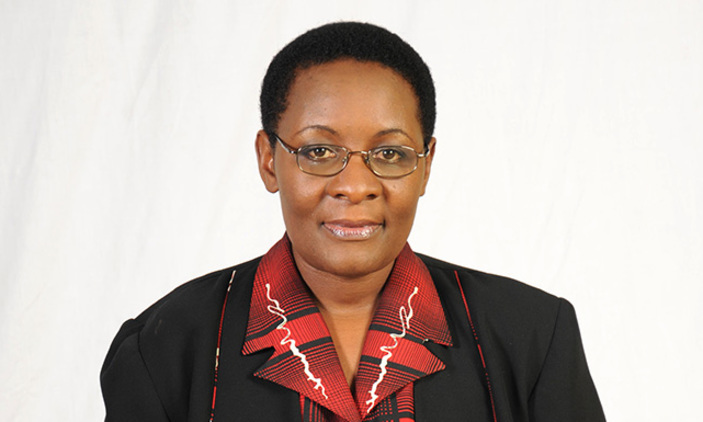
Barbara Kaija, who joined New Vision in 1992 as a sub-editor trainee and rose to become the first Ugandan woman to edit a major national newspaper, will retire at the end of June after more than 34 years of service to the Vision Group.
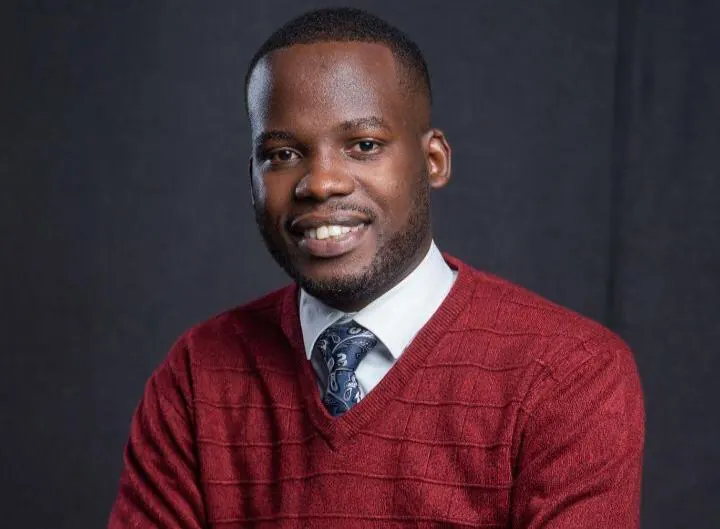
The Vision Group CEO, Don Wanyama, announced in a memo on Thursday that the board of directors has appointed Sidney Miria Babanga, currently the Content Manager for Special Projects, as her successor.
Kaija joined New Vision in 1992 as a sub-editor trainee and steadily worked her way up, serving as deputy features editor, then features editor for 10 years, before being appointed deputy editor-in-chief in 2006.
She became editor-in-chief in 2010, making history as the first Ugandan woman to hold the top editorial seat at a major Ugandan newspaper.
Kaija could be iron-fisted and rarely tolerated dissent from her subordinates, according to two people who worked with her. She is born-again and regularly worships at Pastor Robert Kayanja’s Rubaga Miracle Centre. She always kept her hair short.
As editor-in-chief, she wielded so much power within the group and was said to be close to some members of the First Family.
But her editorial philosophy was rooted in the belief that journalism should do more than report events. Her speciality was development journalism, through which she coached and groomed many journalists in Uganda.
Together with her team at Vision Group, she helped evolve a brand of journalism that grew from simply telling stories to producing media content that fostered development by showcasing role model practices in farming, education, health, entrepreneurship, and the environment.
In one of her most widely read opinion pieces, Kaija made a passionate case for preserving local-language newspapers after Vision Group was forced to suspend three of its regional titles during the Covid-19 lockdown in 2020.
She argued that for a country where more than 70% of the population lives in rural areas, regional newspapers remained a critical tool for mobilising communities, noting that many local government leaders were not literate in English and that most radio stations relied on print media to verify facts and amplify messages.
She called the closure of those newspapers “like killing your own precious baby.”
In another opinion piece, she publicly defended New Vision’s decision to publish an undercover investigation exposing corruption and poor service delivery at Mulago Hospital, signalling her support for accountability journalism even when it carried institutional risk.
Her work did not go unrecognised beyond Uganda’s borders. In 2018, the World Association of Newspapers and News Publishers (WAN-IFRA) named her the Africa Laureate in its Women in News Editorial Leadership Awards, a category that recognises an editor’s exemplary contribution to her newsroom and to society.
Receiving the award in Estoril-Cascais, Portugal, Kaija said the recognition was a win for the resilience of the professional African woman, who is expected to excel as a wife, mother, and professional all at once. She dedicated the award to all women journalists in Uganda and across Africa.
Daniel Kalinaki set to leave Daily Monitor amid conflict of interest allegations
In 2022, she was elected to the supervisory board of WAN-IFRA, the global organisation sometimes described as the United Nations of the media world.
She pledged to use the platform to advocate for African media and for women in newsrooms, noting that even with opportunities available, women were not always challenging themselves enough to rise. New Vision
In 2012, she received Uganda’s National Jubilee Award in recognition of her contribution to the media. She also co-chaired early meetings that led to the formation of the Uganda Editors’ Guild, an effort to strengthen media self-regulation and protect press freedom.
Kaija was among those who argued that the formation of an editors’ association would not only strengthen professionalism but also increase public trust in journalism and defend practitioners’ rights. New Vision
Wanyama described her departure as a significant moment for the organisation and said plans were being made to give her a proper send-off.
Babanga, who started at Vision Group as a freelance journalist in 2000, is expected to take over formally when Kaija leaves at the end of June.