Uganda is facing a serious household energy crisis, particularly in rural areas where access to modern cooking technology remains out of reach for most families.
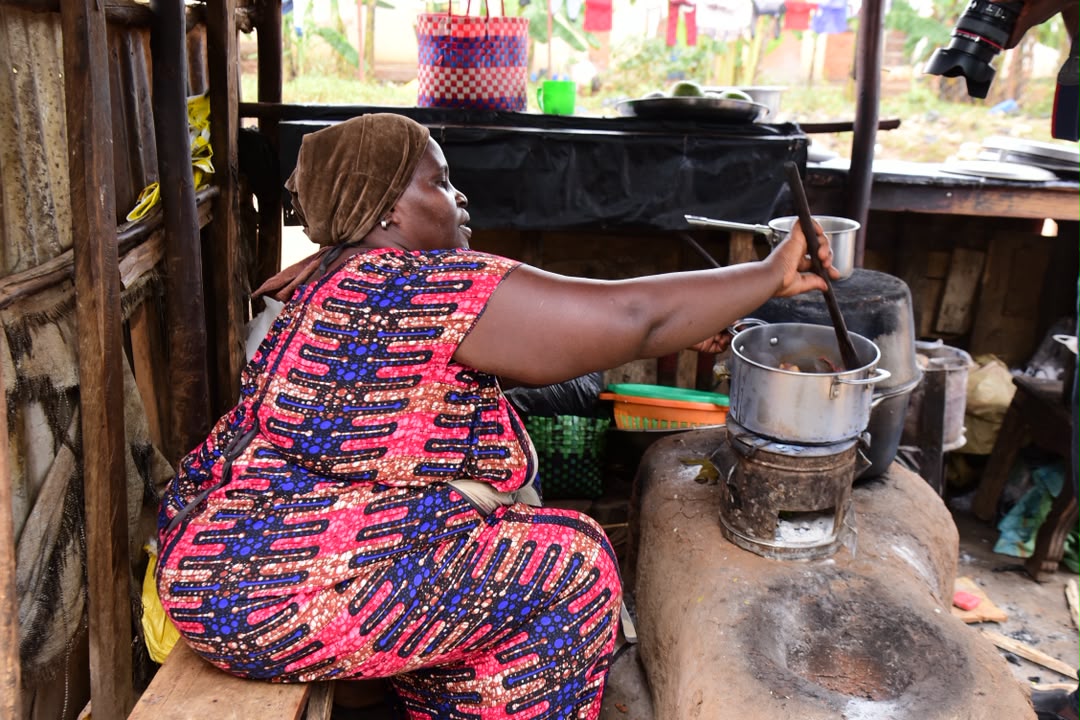
The vast majority of rural households depend on firewood and charcoal, burned on traditional three-stone fires or basic metal and clay stoves.
These methods have sustained communities for generations, but they come at a high cost to health, household budgets, and the natural environment.
An estimated 96% of rural households rely on biomass for cooking, and nearly 90% have no access to clean cooking technologies.
Indoor air pollution from smoky kitchens contributes to approximately 19,700 deaths every year, while the relentless demand for firewood is accelerating deforestation across the country.
A quiet shift is now underway. Fuel-efficient eco-stoves are gaining ground, offering a cleaner, cheaper, and safer way to cook. For the women who bear the primary burden of cooking and fuel collection, the change is proving to be transformative.
Efficiency
For Florence Nabutsebi, a mother of five and grandmother of seven in Busamaga West Constituency, Mbale District, cooking was once synonymous with smoke, soot, and constant financial strain.
“The traditional stoves were inefficient in cost, durability, and usage,” she says.
Her outlook changed when a local cooperative introduced eco-stoves to her community. Initially sceptical that a small clay-and-metal stove could meet her family’s needs, she quickly noticed dramatic results.
“In the past, I used a sack of charcoal for one month, but with this stove it lasts about two and a half months,” Nabutsebi says. “We now use very little firewood, just a few sticks, and cooking takes less time.”
The reduced fuel consumption has delivered significant household savings, freeing up money for food, school fees, and other essentials. Equally important, the cleaner burn has reduced smoke exposure in the home, creating a healthier environment for her family.
The benefits are also being felt beyond the household. Fatimah Nanfuma, a restaurant owner in Namatala, Mbale City, previously spent between Shs 85,000 and Shs 100,000 on charcoal every three weeks. Today, that same quantity lasts up to three months.
“This is a truly cost-effective initiative,” she says, adding that the savings have directly improved her business’s profitability.
Some users have gone further, producing fuel briquettes from sawdust, charcoal dust, and organic waste. They sell the surplus, creating an additional income stream while easing pressure on forests.
Health
Traditional cooking methods expose women and children to high concentrations of smoke for prolonged periods each day, raising the risk of respiratory illness, eye problems, and burns.
Eco-stoves significantly cut emissions, improving health outcomes across the household.
They also reduce the time women and girls spend collecting firewood, time that can be redirected towards education, farming, childcare, or income-generating work.
The growing adoption of eco-stoves has been accelerated by the Results-Based Financing (RBF) Programme, a collaboration between Equity Bank Uganda and GIZ Energising Development (EnDev) Uganda.
The programme provides financial incentives to suppliers, reducing costs and widening distribution into underserved communities.
Some eco-stove models are now available for as little as 10,000 shillings, putting clean cooking within reach of low-income households.
Much of the uptake has been driven by peer influence and visible results. Nabutsebi says her own experience has persuaded her neighbours to make the switch.
“I have convinced many of my neighbors to buy these eco-stoves because they see the benefits,” she says.
Recent distribution drives have placed more than 600,000 improved cookstoves across Uganda, with locally manufactured models proving particularly popular. Rising fuel prices and growing awareness of environmental degradation are adding further momentum.
Equity Bank continues to support clean energy programmes as part of its broader environmental sustainability commitments across Uganda and the wider region.
Eco-stoves may be modest in design, but their impact extends far beyond the kitchen. They cut household costs, protect forests, improve public health, and support small businesses.
For thousands of families across rural Uganda, moving to cleaner cooking is not simply a technological upgrade. It is a path to healthier homes, higher incomes, and a more sustainable future.