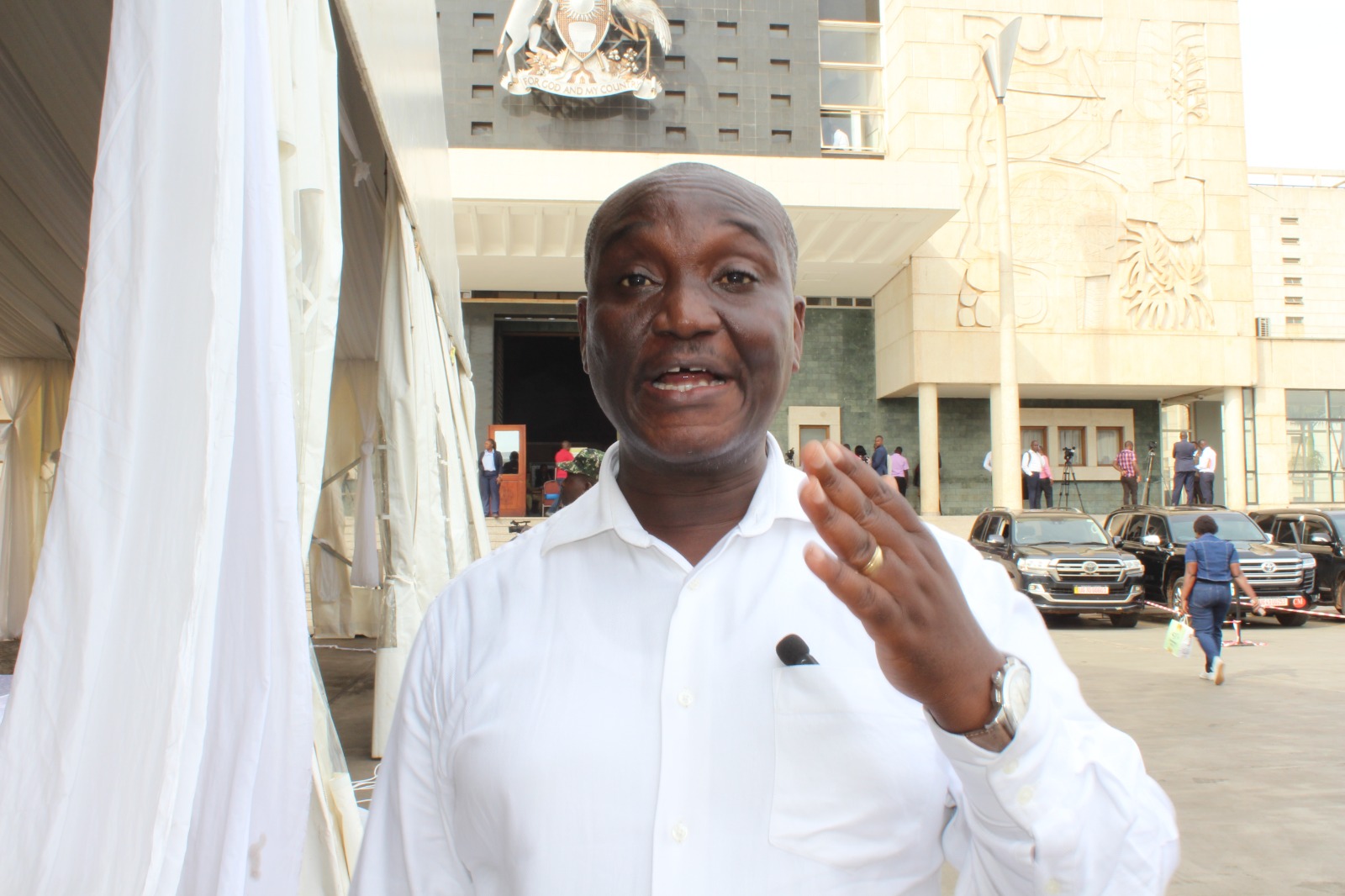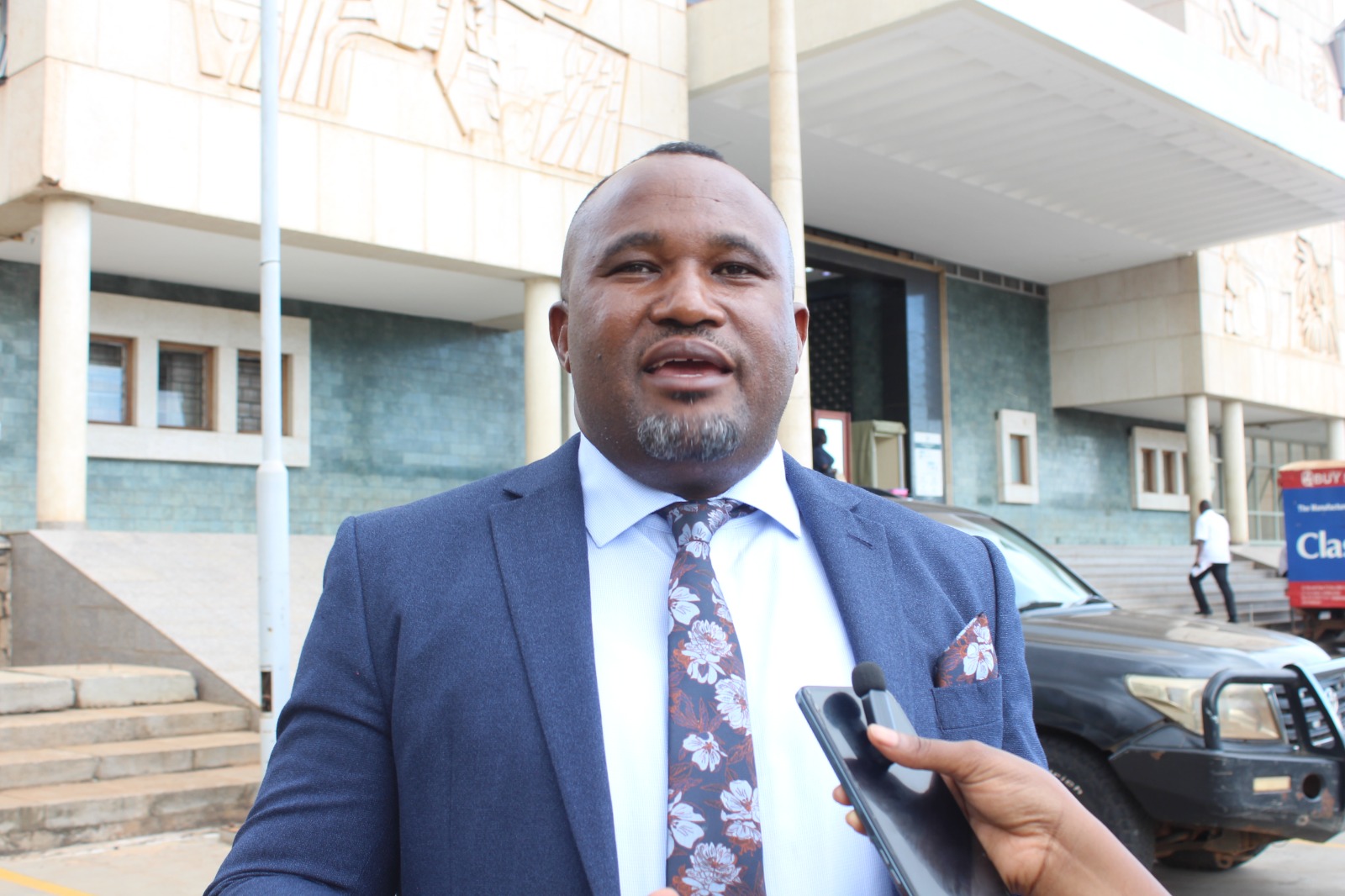
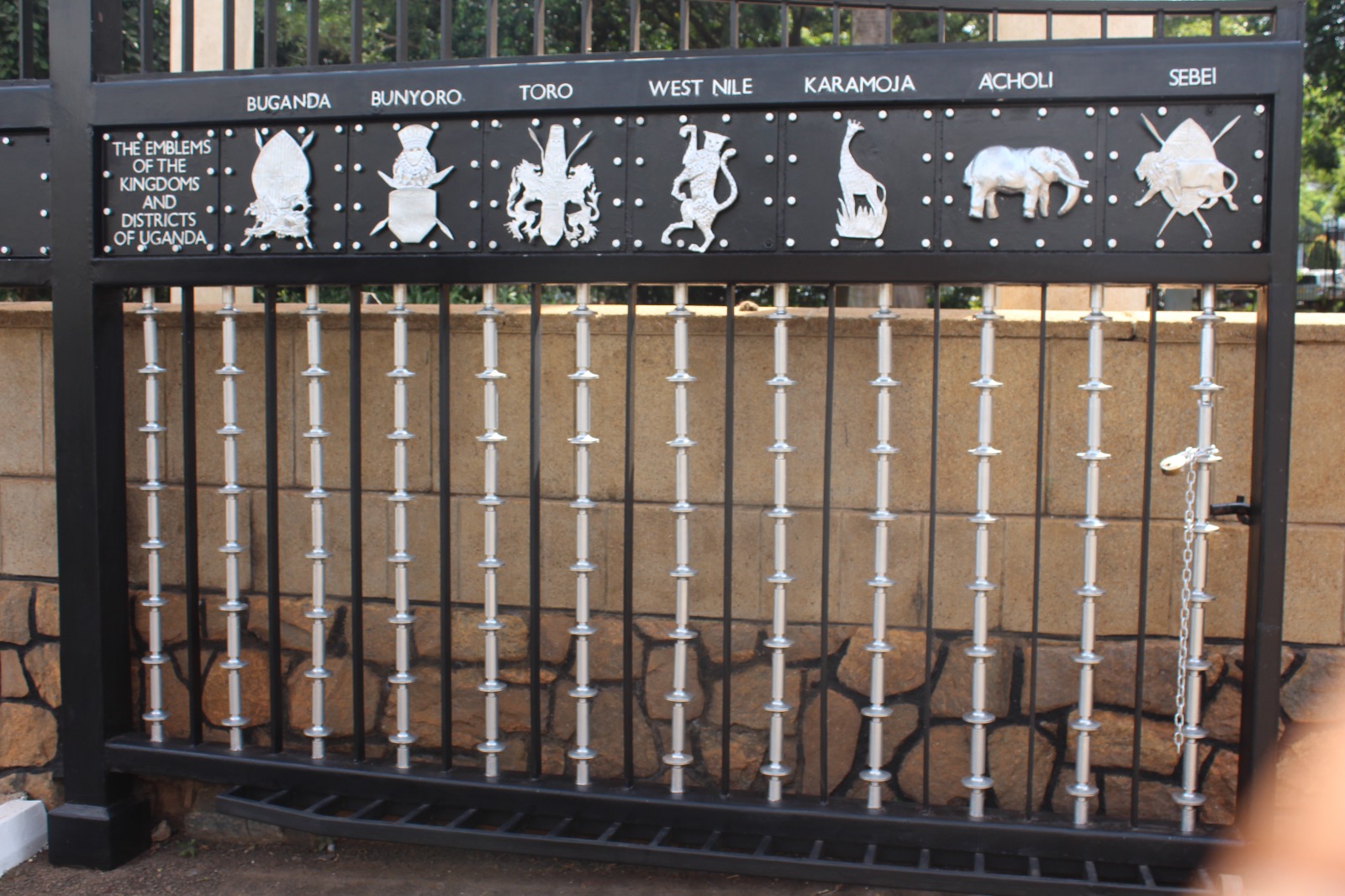
MPs have expressed concern about what they describe as growing disunity, declining patriotism, and weakening nationalism in the country, despite the powerful symbols displayed at the entrance of Parliament.
The legislators questioned whether political leaders fully understand the meaning of the symbols that represent Uganda’s history, culture, wildlife, and political heritage.
During a discussion on the significance of the symbols at Parliament’s gate, Kitgum Municipality MP Dennis Onekalit of Forum for Democratic Change (FDC) said the symbols reflect the country’s identity and remind leaders of their duty to serve all Ugandans.
Onekalit said the symbols represent ownership, nationalism, and patriotism because they depict some of the traditional institutions and communities that contributed to the formation of modern Uganda.
“Our symbols are a testament of ownership, nationalism, and the spirit of patriotism because the original traditional kingdoms and communities that made Uganda were formed out of these, including Buganda, Bukedi, and Acholi, among others,” Onekalit said.
Kumi Municipality MP Silas Aogon said the symbols demonstrate that Parliament belongs to all Ugandans because they reflect the country’s diverse cultures and regions.
Aogon argued that every decision made in Parliament should take into account the interests and welfare of all citizens.
“Since most traditional kingdoms and regions of Uganda are represented through these symbols, it shows that Parliament belongs to all Ugandans. Whatever business takes place here should therefore consider the interests of all Ugandans,” he said.
Adjumani East MP James Mamawi praised President Museveni for recognising Uganda’s different traditional regions through the National Resistance Movement manifesto.
Mamawi said the manifesto focuses on economic transformation, security, and prosperity across the country.
However, he noted that areas such as Madi still require greater attention in the distribution of government services and development programmes.
He called for improved access to quality education through Universal Primary Education (UPE) and Universal Secondary Education (USE), better healthcare facilities, improved roads, enhanced security, clean water, and poverty alleviation programmes.
Nwoya Woman MP Christine Lanyero said the symbols remain important to Uganda’s democracy because they reflect the country’s indigenous cultures and political organisation.
She stressed that the value of the symbols depends on how leaders use and protect them.
Lanyero also expressed concern that Uganda’s traditional cultures are facing increasing pressure from modern influences brought about by formal education and greater exposure to foreign cultures.
Some people have also questioned whether many legislators fully appreciate the significance of the symbols displayed at Parliament’s entrance.
They argue that some politicians appear detached from the historical foundations of Uganda’s politics and governance.
They say the symbols should guide MPs in carrying out their constitutional responsibilities of lawmaking, appropriation of public resources, and oversight of government activities.