
The Bank of Uganda has urged the public to use their resources sparingly as fears grow over a possible fuel crisis in the country.
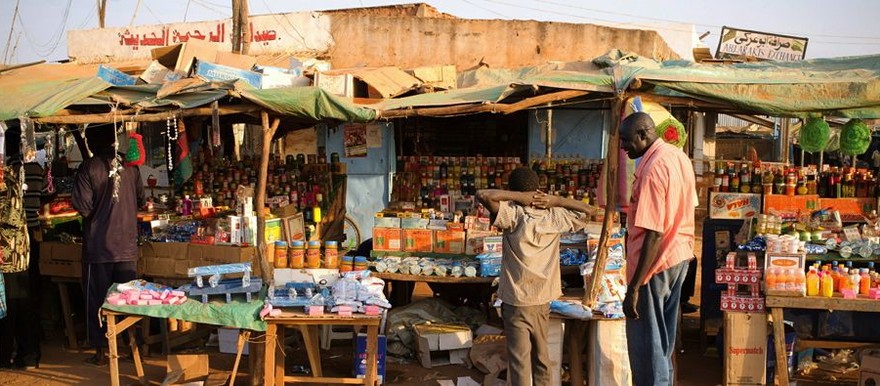
The warning comes amid rising pump prices, with some petrol stations reportedly closing due to shortages, while others have increased prices in response to limited supply.
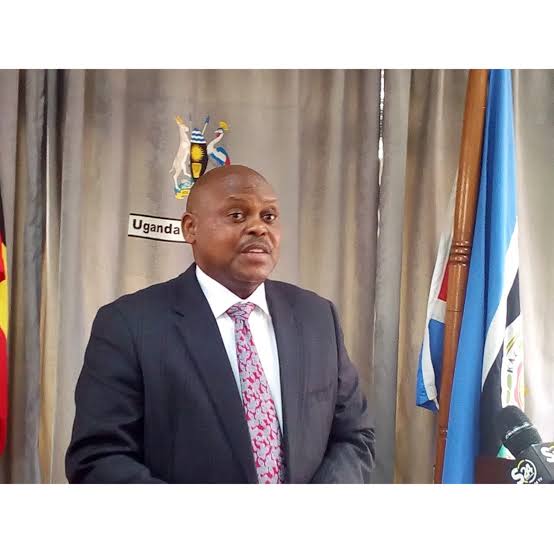
Speaking on the situation, Wasswa Hannington, the acting executive director for supervision and regulation at the central bank, said that although the bank has mechanisms to manage inflation caused by such shocks, individuals must take personal steps to cope with the situation.
He said Ugandans should use the little they have carefully to withstand the impact of a crisis that could affect the entire population.
Wasswa noted that this is not the first time Uganda is facing such a challenge. He pointed to the Russia-Ukraine war, which disrupted global supply chains and pushed up fuel prices, yet many economies, including Uganda, adapted over time.
He added that Ugandans have shown resilience, especially in agriculture, which employs a large share of the population. He said that even in times of crisis, many people remain productive through farming.
In the same spirit, Wasswa encouraged farmers to take advantage of the government’s Agriculture Credit Facility, which is designed to boost incomes and support the transition from subsistence to commercial farming.
“As the Bank of Uganda, we encourage farmers to take advantage of the Agriculture Credit Facility. The country is endowed with fertile soils, sufficient rainfall and land,” he said.
He added that the initiative is intended to help Ugandans meet their basic needs and strengthen the country’s position as a potential food basket for East Africa and the wider African continent.
According to the central bank, more than 13,000 farmers have so far benefited from the facility, with loans accessible through participating financial institutions.