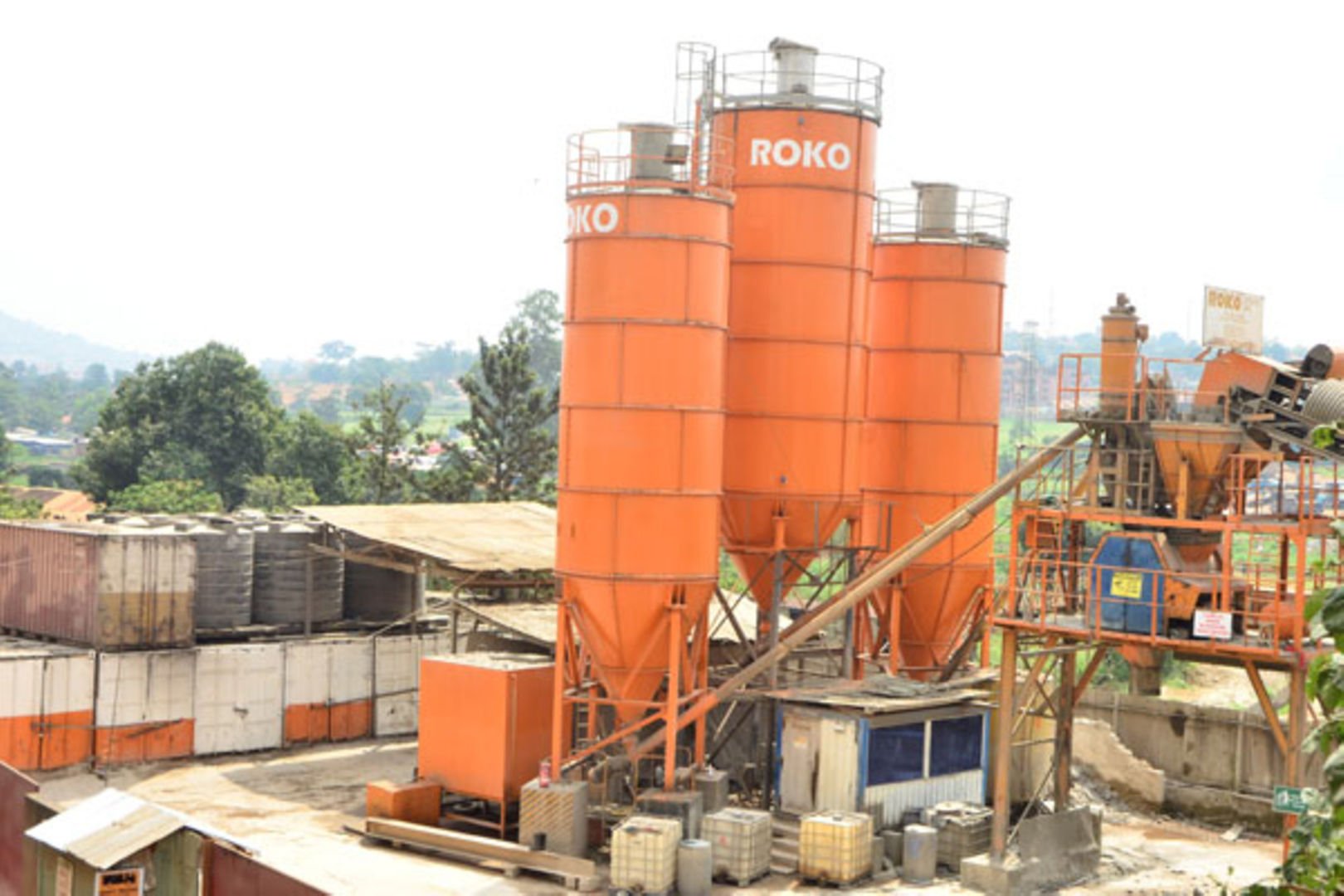
The court has ordered Roko Construction to pay more than Shs 4 billion to an electrical firm that did installation works at several construction sites.
In her ruling, Justice Dr Ginamia Melody Ngwatu found that Roko failed to pay for electrical installation works carried out by Mehta Electricals across multiple projects, despite issuing payment certificates and making partial payments.
Starting in 2016, Roko subcontracted Mehta to carry out electrical installations at several sites, including SGS facilities, the Lotigo Army venue, Luthuli, and the Imperial Botanical Hotel Suites in Entebbe.
According to court records, Mehta completed the work and submitted invoices based on payment certificates issued by Roko. These certificates confirmed the value of work done and indicated when payments were due.
Mehta told the court that although some payments were made, large sums remained unpaid. The company claimed a total of Shs 4.8 billion, arguing that the amount had been confirmed during a joint reconciliation meeting held on 29 November 2018.
At the SGS sites alone, Mehta said it owed more than Shs 1.07 billion after partial payments. At the Lotigo Army venue, the unpaid balance stood at about Shs 184 million, while at Luthuli the company claimed over Shs 886 million.
The largest dispute concerned the Imperial Botanical Hotel project, where Mehta said more than Shs 2.2 billion remained unpaid.
Roko denied Mehta’s claims and raised several legal objections. The company argued that the case should not be heard in court because some of the contracts required disputes to be resolved through arbitration.
It also claimed that the case was filed too late, that the claims were improperly combined, and that Mehta had not fully performed the work.
Roko further alleged that some of the works were defective and incomplete. It filed a counterclaim seeking damages for breach of contract and delays, including interest at 30% per year.
How Mao switched off his phone, locked his office to avoid being served election petition
However, the case took a dramatic turn during the hearing. The court allowed the matter to proceed in the absence of Roko’s lawyers after repeated failures to comply with court directives.
This meant Mehta presented its evidence without challenge from Roko.
On the issue of arbitration, Justice Ngwatu carefully examined each subcontract and found that most of the contracts did not contain clear arbitration clauses binding both parties.
Even for the Imperial Botanical Hotel project, which contained an arbitration clause, she said arbitration was unnecessary because the debt had effectively been admitted.
She held that payment certificates issued by Roko were strong evidence of liability.
The said certificates clearly indicate the dates upon which payment was due, and the same were duly approved. As such, they cannot be regarded as mere records of work done but constitute evidence of sums due and payable,” Justice Ngwatu ruled.
On the question of whether the case was filed too late, the court ruled in Mehta’s favour. Justice Ngwatu said the timeline had been extended because Roko acknowledged the debt and made partial payments over time.
Quoting the law, she explained that acknowledgment of a debt restarts the limitation period. She found that Roko’s actions, including emails and payment promises, portrayed an acknowledgment of the debt, which restarted the six years.
She also rejected Roko’s argument that the claims were improperly combined. Justice Ngwatu said the disputes arose from similar transactions and could be handled together to avoid multiple lawsuits.
The central issue then became how much money was actually owed.
While Mehta claimed over Shs 4.8 billion, the court found inconsistencies in the reconciliation document presented as evidence.
Justice Ngwatu said the document made it “impossible for the court to ascertain who the parties that appended the signatures were.”
Instead, the court relied on individual project statements and payment certificates. After reviewing the evidence, she calculated a lower total.
“I find that the defendant is liable to the plaintiff for $1,059,350.84,” Justice Ngwatu ruled, which is approximately Shs 4.0 billion.
Roko’s counterclaim was dismissed entirely. Justice Ngwatu said the company failed to present any evidence to support its allegations.
“He who alleges must prove, and in the absence of evidence of breach of contract, this court cannot speculate,” Justice Ngwatu said.
In the final orders, the court directed Roko to pay Mehta about Shs 4.0 billion, with interest at commercial rates from the date the case was filed until full payment.
Roko was also ordered to pay the costs of the suit.