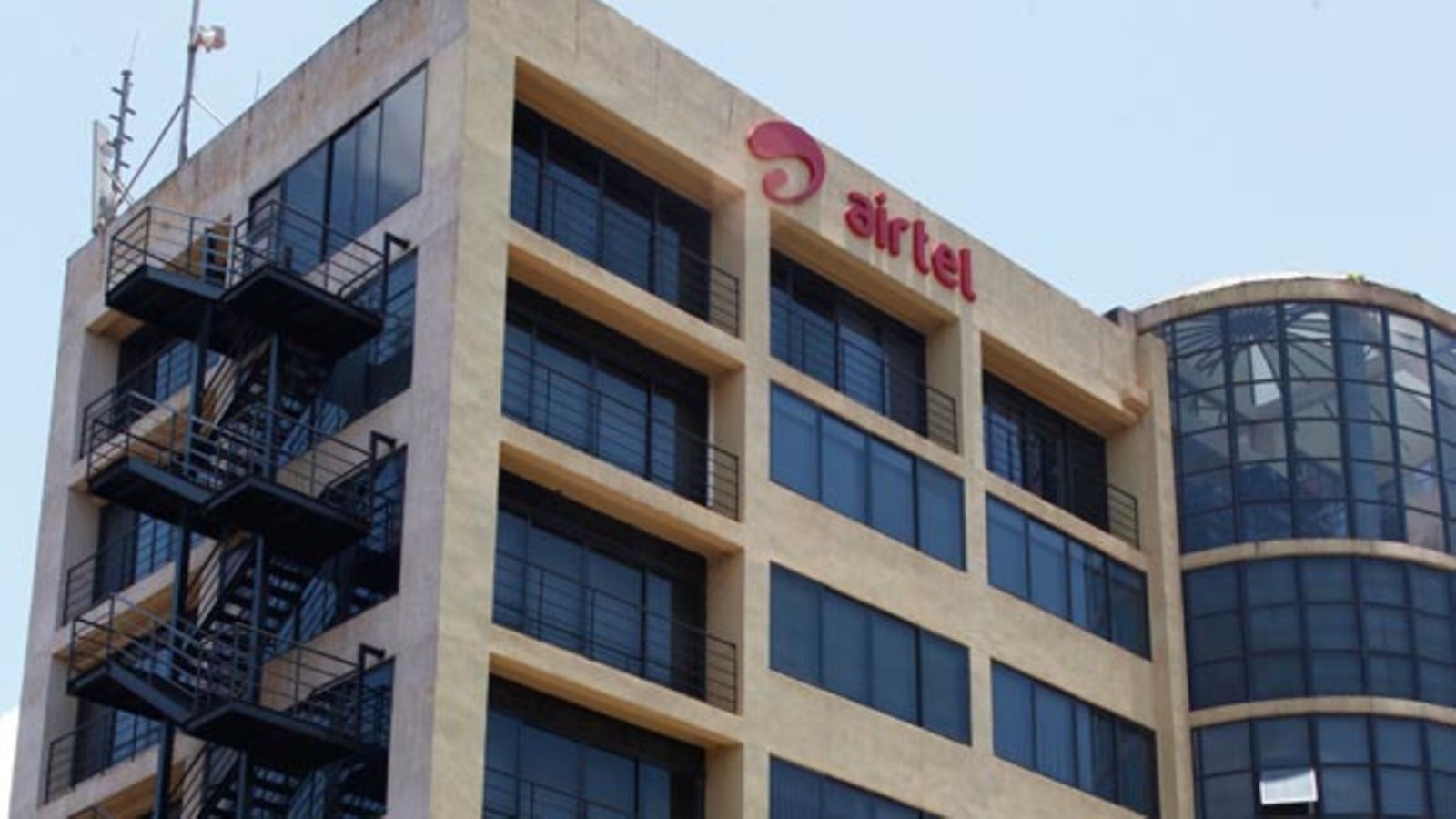
Airtel Uganda has been ordered to pay more than Shs1.09 billion in additional taxes to the Uganda Revenue Authority (URA) for equipment it imported to manage high-speed data traffic.
Court records show that Airtel declared the price of the equipment, known as a Broadband Processing Board, at about $1,349 (Shs 5 million at the time).
But around the same period, another telecom company imported what the tax authority considered identical equipment from the same manufacturer at a much higher price of about $10,145 (Shs 37 million).
This huge difference immediately raised suspicion at URA.
Following the audit, URA rejected Airtel’s declared price and instead used what is known in tax law as the “transaction value of identical goods” method. Using that method, the authority issued an additional tax assessment of Shs 1.09 billion.
Airtel challenged this decision at the Tax Appeals Tribunal, arguing that URA had ignored the law.
The company said the default method for calculating import taxes is based on the actual price paid, known as the transaction value method.
Airtel insisted it had provided all necessary documents, including the purchase order, contract, and invoice, to prove the price it paid.
“There was no justification for resort to the transaction value of identical goods,” Airtel argued.
However, URA countered that Airtel’s documents were not enough. The authority told the tribunal that although Airtel claimed it got a discount through a group agreement with its parent company, it failed to provide proof.
URA also argued that accepting such a low price without proper evidence would give Airtel “an inequitable advantage over other operators in the industry”.
The tribunal did not fully agree with either side. In its 2021 ruling, it questioned the reliability of Airtel’s documents, pointing out inconsistencies in dates, quantities, and prices. It also noted that Airtel had failed to produce a receipt as proof of payment.
Instead of making a final decision, the tribunal sent the case back to URA for further investigation, including checking whether the goods were truly identical.
Unhappy with that outcome, Airtel appealed to the High Court.
In the appeal, Airtel’s lawyers from Birungi, Barata and Associates argued that the tribunal misunderstood international trade documents and wrongly dismissed the transaction value method.
They also attempted to introduce new evidence, including a receipt they claimed had been found later.
But URA’s legal team opposed this move, saying appeals to the High Court are strictly on points of law, not new evidence.
Court clears Equity Bank to recover Shs1.3 billion from Ratidu Trading
Justice Stephen Mubiru agreed with URA and rejected Airtel’s attempt to add new evidence.
He then turned to the core issue: whether URA was justified in rejecting Airtel’s declared price.
Justice Mubiru explained that while the transaction value method is the default, it can be rejected if there are reasonable doubts about the accuracy of the declared price. In this case, he found several problems with Airtel’s position.
First, Airtel failed to provide key supporting documents despite repeated requests from URA. These included details on how the price was negotiated and evidence of the claimed discount.
Second, the court found that the massive price difference, more than 150%, was too large to ignore.
“The percentage difference is significant enough to justify a departure from the transaction value method, in the absence of a reasonable explanation,” states.
Third, the court considered the relationship between Airtel and its supplier. Although there was no direct ownership link, Justice Mubiru said there were signs of a “special relationship” that could have influenced the price.
Notably, the supplier refused to provide information requested by URA, claiming it was confidential.
“A supplier refusing to disclose documents… indicates a willingness to participate in the falsification of values,” the judge observed.
Finally, the court agreed with URA that the equipment imported by Airtel and the other telecom company was indeed identical.
“There is no evidence showing any difference in brand, physical characteristics, quality or functionality,” Justice Mubiru sai.
Having reviewed all the evidence, Justice Mubiru concluded that URA acted lawfully.
He also criticised the Tax Appeals Tribunal for sending the matter back for reconsideration instead of making a final decision.
“There was enough circumstantial evidence,” he said, adding that the tribunal had misdirected itself.
In the end, the court set aside the tribunal’s decision but upheld URA’s tax assessment.
“[Airtel Uganda] is liable to pay the additional tax of Shs. 1,091,541,475,” Justice Mubiru ruled.
However, the court noted that Airtel Uganda had succeeded on a technical legal point, even though it lost on substance. For that reason, it ordered each party to bear its own legal costs.