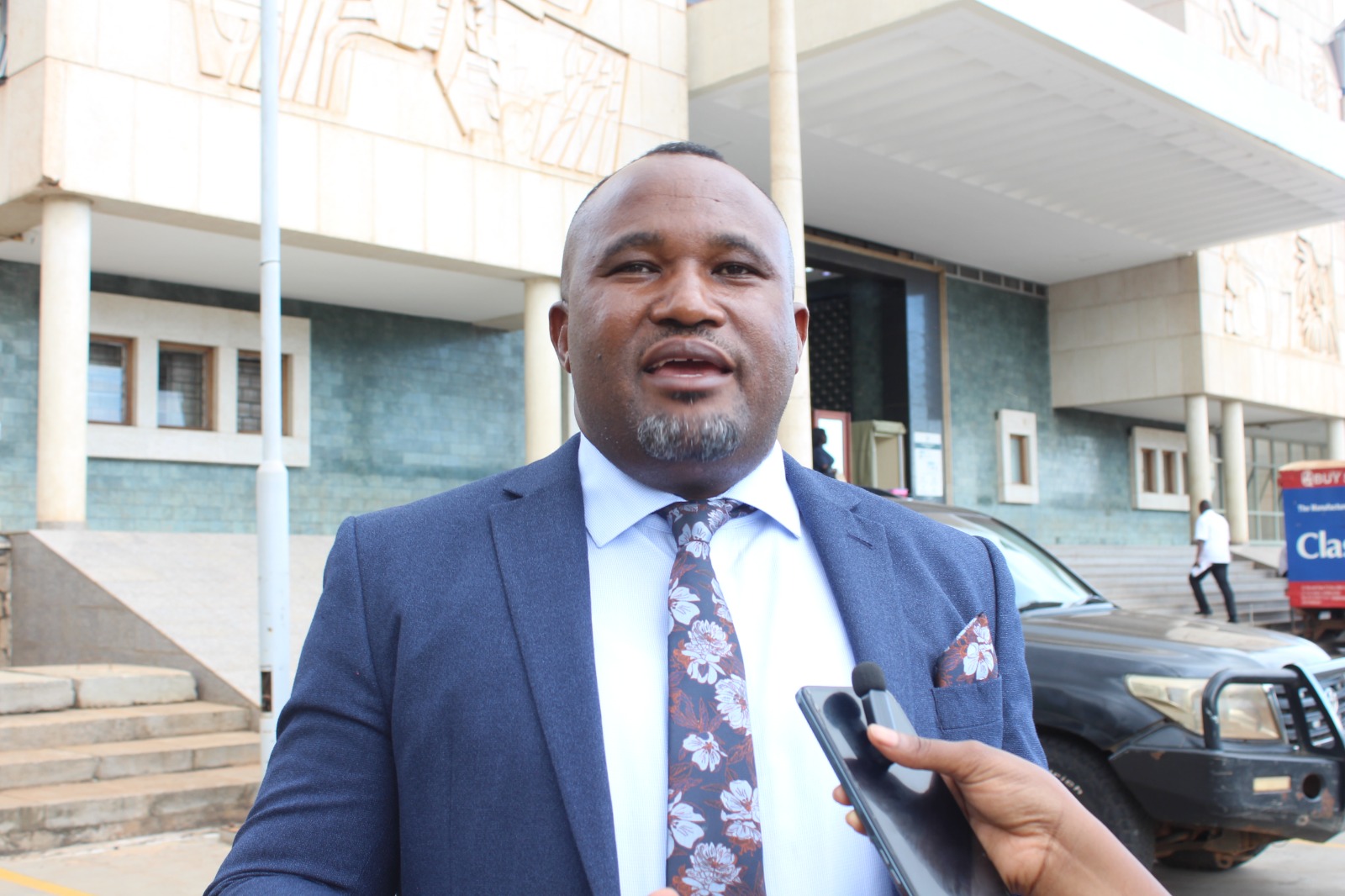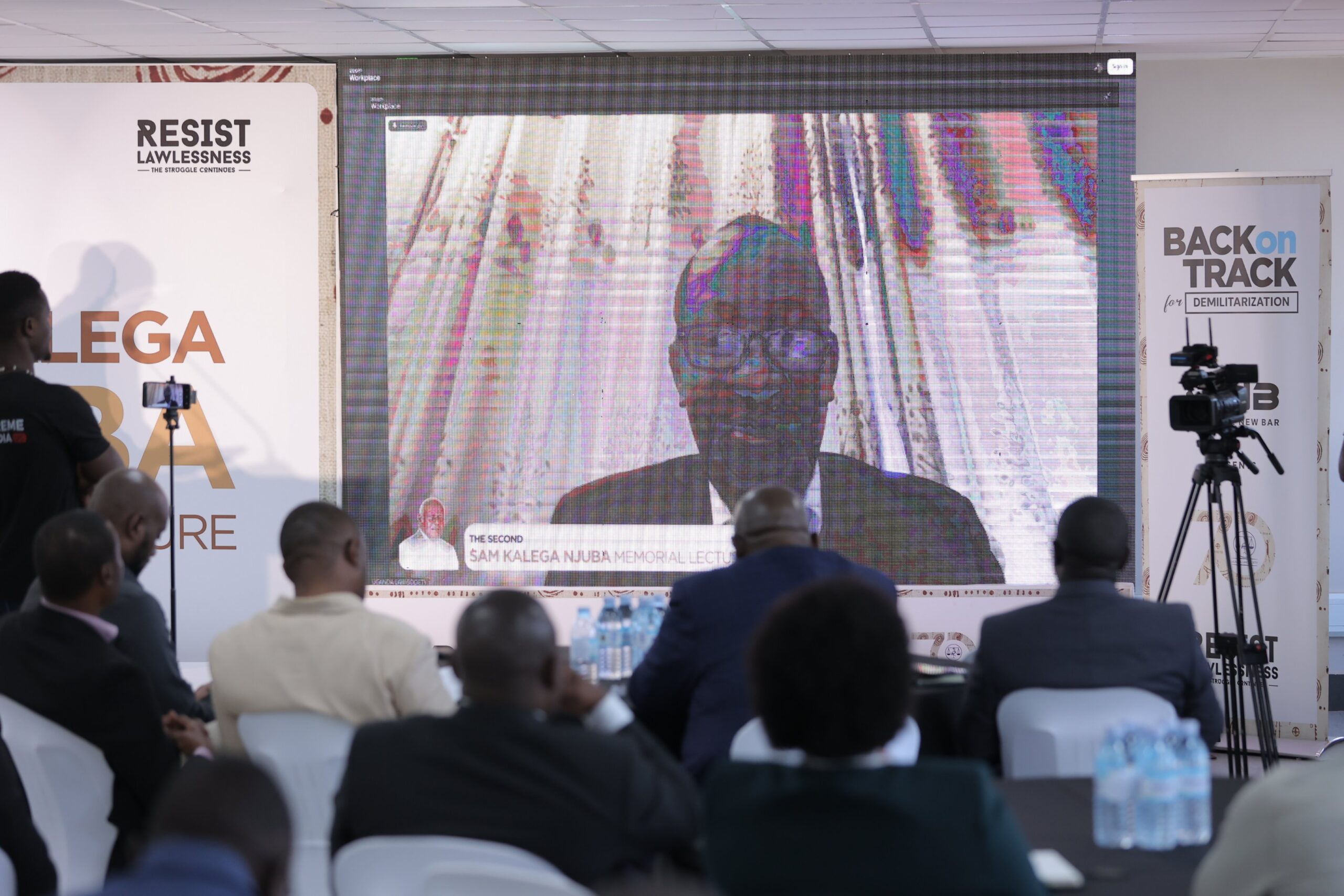
There is a version of Yusuf Nsibambi that many Ugandans over the age of 40 remember with something close to fondness.
For me, it was during the 2001 elections when he came to Bulo in Butambala district to campaign for Dr Kizza Besigye during one of the most heated and violent elections Uganda has witnessed. It was during my senior six vacation.
Dressed in a long-sleeved white checkered shirt, he stood on the makeshift podium and made his pitch.
“Tell Kigongo that the people of Butambala are tired of Museveni. Tell Kigongo that the people of Butambala want real change. They are tired of poverty, they are tired of corruption,” he told the cheering crowd.
He was referring to Moses Kigongo, the then-powerful NRM Vice Chairman who hails from the district and for long was regarded as a kingmaker in the district.
The Bulo rally was held barely 500 metres from Kigongo’s residence.
Even then, Nsibambi’s tone was calm, devoid of any trace of radicalism that had been embraced by some of his opposition colleagues. But he was emphatic.
For 27 years, Nsibambi, a quiet, bookish lawyer from Kalagala village in Nkozi, Mawokota, taught law at Makerere University, sometimes dipping into his own salary to pay fees for those who could not afford them.
And throughout that time, he also dabbled in politics. During Dr Kizza Besigye’s numerous legal battles with the state, Nsibambi was among the inner circle of legal strategists.
Nsibambi was one of the key lawyers who helped set up the Reform Agenda, the movement that would become the FDC, working alongside other pro-democracy activists in those dangerous early years of the 2000s, when being opposition in Uganda was less a career choice and more a declaration of war against yourself.
On radio talk shows and public forums, he articulated opposition ideals with conviction. He was the FDC’s deputy president for the Buganda region.
In 2012, when Jennifer Musisi, KCCA’s executive director, defied a constitutional court order demanding the reopening of the Kampala Land Board that Nsibambi chaired, Nsibambi sued her.
He handed a ten-year lease to vendors at St Balikuddembe Owino Market against Musisi’s wishes. That version of Nsibambi was “Gumite,” to borrow a popular word which is regularly used to mean someone is “strong” or “bold”.
And then January 15, 2026, arrived, and everything went very wrong.
Nsibambi lost his Mawokota South seat to the NRM’s Suzan Nakawuki. The defeat hit him like a truck, and some say he became “dazed” and “confused.”
From one talk show to another, he fumed at his voters, listed the many development projects he had brought to his constituency, unable to understand how they could reward him with such ingratitude.
For a man who had once defended the powerless in court, Nsibambi was now bewildered that the powerless dared to vote for someone else.
He withdrew personal development initiatives, including disconnecting a community electricity transformer he had installed, defending his actions as a protest against voter ingratitude.
What happened next follows a script so familiar in Ugandan politics for those who have been observant, like me.
Less than a month after his defeat, Nsibambi showed up at State House Entebbe, along with Latif Sebaggala and others, ostensibly to ease political tensions and negotiate the release of hundreds of NUP activists who had been jailed during the election period.
This was, by his own confession, a mission of peace. He said it had nothing to do with personal ambition. He revealed that he had actually met President Museveni three times the previous year. Three times!
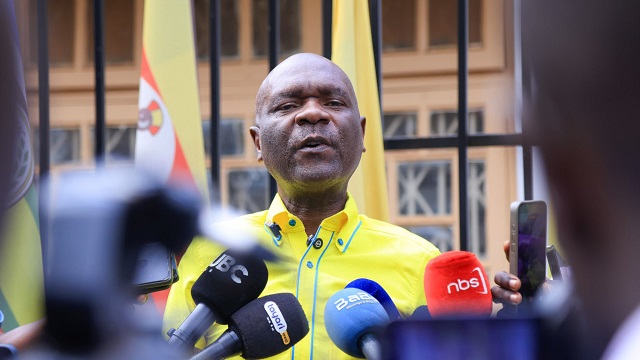
Sure enough, on 18 February 2026, Nsibambi turned up in a yellow shirt at the NRM party headquarters along Kyadondo Road in Kampala to announce what his more cynical observers had predicted all along.
In a flash, he was done with the opposition, specifically the Forum for Democratic Change (FDC). He was done with the struggle.
But also, he was done, apparently, with about 25 years of his own stated convictions and principles. Nsibambi, who was unveiled by Speaker Anita Among, declared that he was eager and ready to work with the ruling party for “national development.”
He described his move as part of the struggle for peace, saying that the polarised nature of opposition politics had left him frustrated and disillusioned. He told supporters he was tired of telling people to resist and suffer, and watching them resist and suffer, with no tangible results.
As he addressed the press, one could almost sympathise with Nsibambi. He did not appear to notice the irony of a man who once defended political prisoners from the same government now sitting in a yellow shirt, accepting applause from its leadership.
Nsibambi did not appear troubled by the fact that Dr Besigye, whom he had spent years defending in court, remained at that very moment in state custody, despite several attempts to get bail.
After the election loss, Nsibambi drew criticism from some constituents and members of the public for withdrawing personal development initiatives.
So we had gone from a man who reportedly used his Makerere salary to help needy students to a man who, upon losing an election, pulled the plug on the community transformer.
Gen Elwelu retires but the Kasese ‘ghosts’ won’t allow him to rest
Since his crossing to the NRM, Nsibambi has appeared on at least nine documented TV and radio talk show platforms in Uganda in the two months since his defection, each appearance another opportunity to explain, justify, and reframe his decision.
On Sanyuka TV in February, he told viewers that people wrongly assume meeting President Museveni means you receive money.
A couple of weeks ago, Nsibambi entered the Parliament chambers and sat on the NRM side before the expiry of the 11th Parliament (legally until Parliament expires, he remains an FDC member).
Kira Municipality MP Ssemujju Nganda felt compelled to raise it before Speaker Anita Among, who instead defended Nsibambi’s decision, calling him “a wise young (sic) man.”
Yet it is his passionate support of the Protection of Sovereignty Bill, a law that would send any Ugandan to prison for 20 years and a fine of Shs 2 billion for soliciting or receiving money from “foreigners”, that has illustrated the depths Nsibambi is willing to go to prove his loyalty to his new party. The bill has been rejected by every right-thinking member of society.
In its current form, the bill would strangle the very opposition funding streams that sustained the FDC’s work for two decades. The very work that Nsibambi spent those decades championing.
Perhaps the most painful irony of all is that Nsibambi, who was always seen as a voice of authority, a law don who spoke of justice, constitutional rights, and the protection of the weak, is now lending his considerable legal credibility to a government that has spent years doing the very things he spent years opposing.
Some people suspect his alignment with the NRM could strengthen his chances for a cabinet appointment, with the Ministry of Justice and Constitutional Affairs and the Ministry of Lands among the positions attracting speculation.
And there it is, perhaps. The man who taught law for nearly three decades, who stood against Jennifer Musisi in defence of court orders, who once helped needy students out of his own pocket, may just be angling for a ministerial salary.
That would be some weird icing on the cake.
So let me ask again as I wind this up: Where did the humble Yusuf Nsibambi go?
Answer: He went, it seems, precisely where the money is. He just took longer than most to get there, but his route was more scenic.