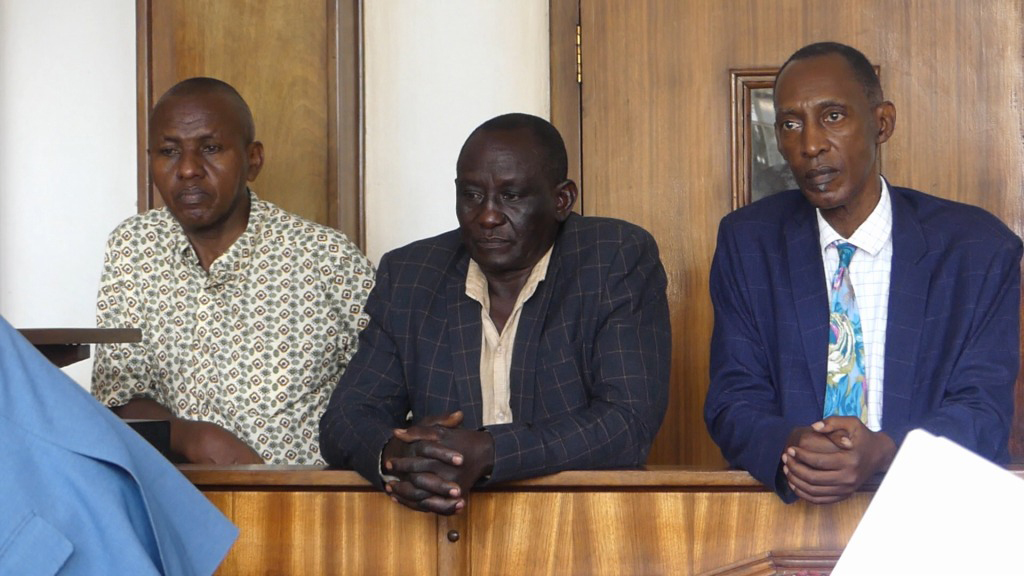
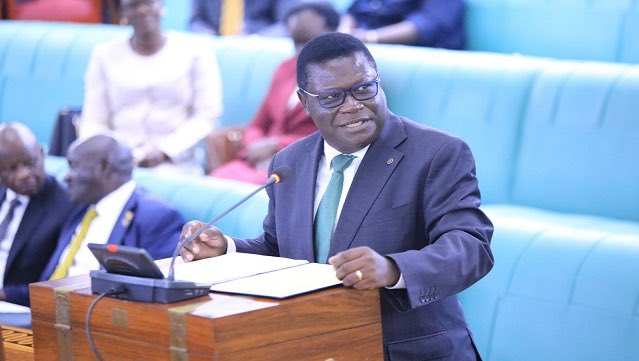
The High Court in Gulu has allowed Tonny Kitara to serve court documents to Norbert Mao through a newspaper advertisement after finding that all attempts to reach the minister personally had failed.
Kitara competed against Mao for the Laroo-Pece division and lost in January this year. However, on April 1, he challenged Mao’s election in court.
On April 2, Kitara’s lawyer, Imran Gitta, picked up the petition documents and immediately began trying to serve Mao. He said Kitara gave him a telephone number believed to belong to Mao so that he could arrange a meeting and hand over the documents.
Gitta told the court that he called the telephone number mentioned above several times, but Mao did not answer the calls or return the calls.
He added that he tried to communicate with Mao on WhatsApp but discovered that his telephone number is not registered on WhatsApp.
Still determined, Gitta physically went to Mao’s known workplace at the Ministry of Justice and Constitutional Affairs at the JLOS Towers in Naguru, but his office was locked.
From these repeated failed attempts, Kitara’s legal team formed the view that Mao was either unavailable or deliberately avoiding being served.
MTN laid cables in former deputy IGP’s land. He won Shs 526m but MTN wont give up fight
Justice Phillip Odoki noted that the law requires personal service of election petitions unless it is impossible.
However, he said, the law also provides a fallback option.
Justice Odoki explained that if a respondent cannot be found within three days, the petitioner can ask the court for permission to use another method.
Kitara’s lawyers argued that they had met this requirement.
Caleb Alaka, who took over from Gitta, told the court that his client had done everything possible to locate Mao within the required time.
He relied on past court decisions and the election petition rules to argue that the court has the power to allow substituted service when personal service fails.
Alaka explained that the delay was caused by the Easter public holidays, which made it difficult to file documents within the strict deadline.
He asked the court to extend the time.
Justice Odoki agreed that the explanation was reasonable, saying the law allows courts to extend time where there are “special circumstances.”
He emphasised that election petitions are very important cases that should be decided on their merits rather than technicalities.
After reviewing all the evidence, he concluded that Kitara had done enough to try to find Mao.
“I therefore find that this application has merit and is accordingly granted,” Justice Odoki ruled.
He then issued three clear orders.
First, it extended the time for filing the application. Second, it allowed Kitara to serve Mao by publishing a notice in the Daily Monitor newspaper and by pinning the notice on the court notice board.
Third, it directed that Mao could collect the full petition from the court registry.
Therefore, Kitara won this round of the case, but the bigger battle, the election petition itself, is yet to be decided.