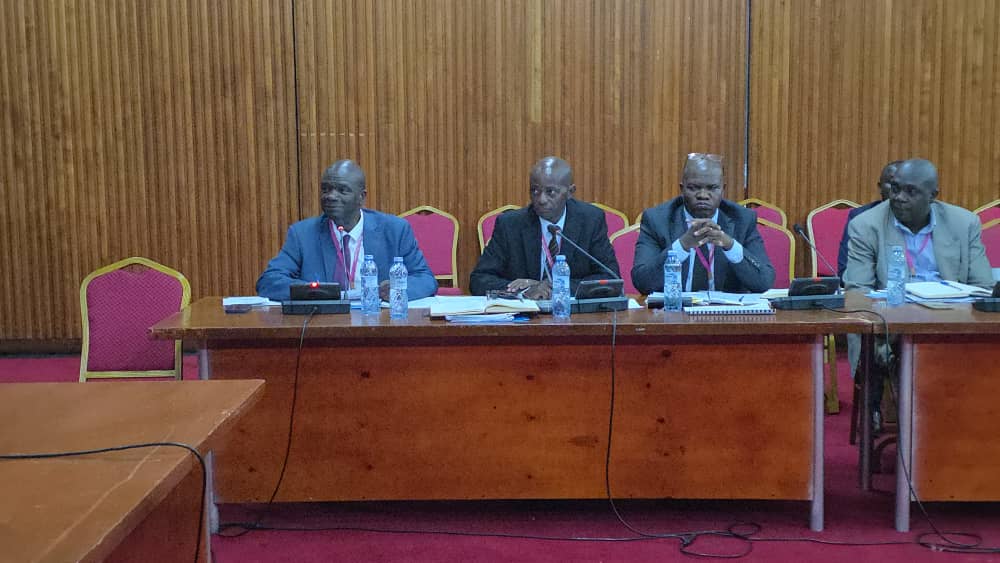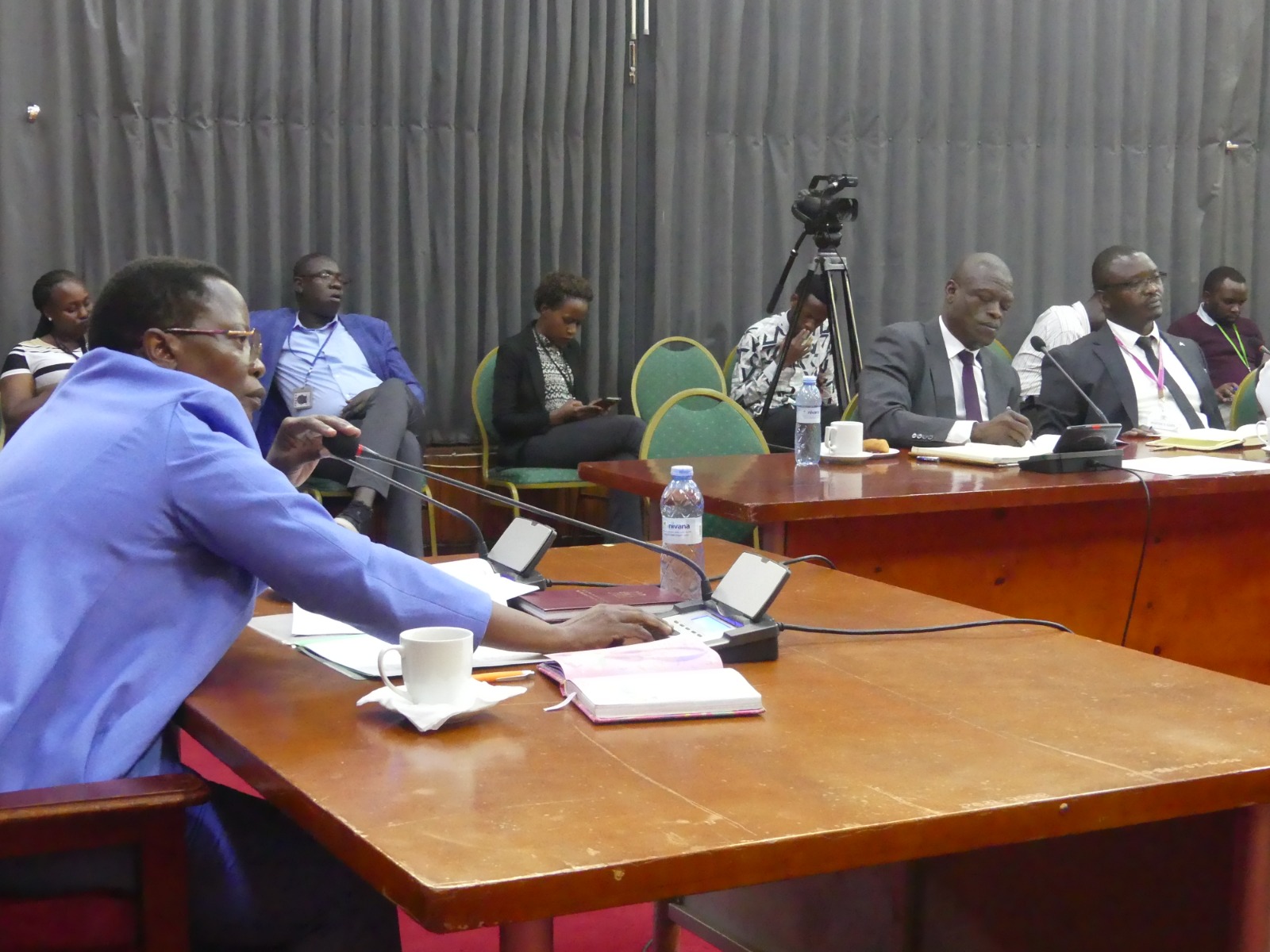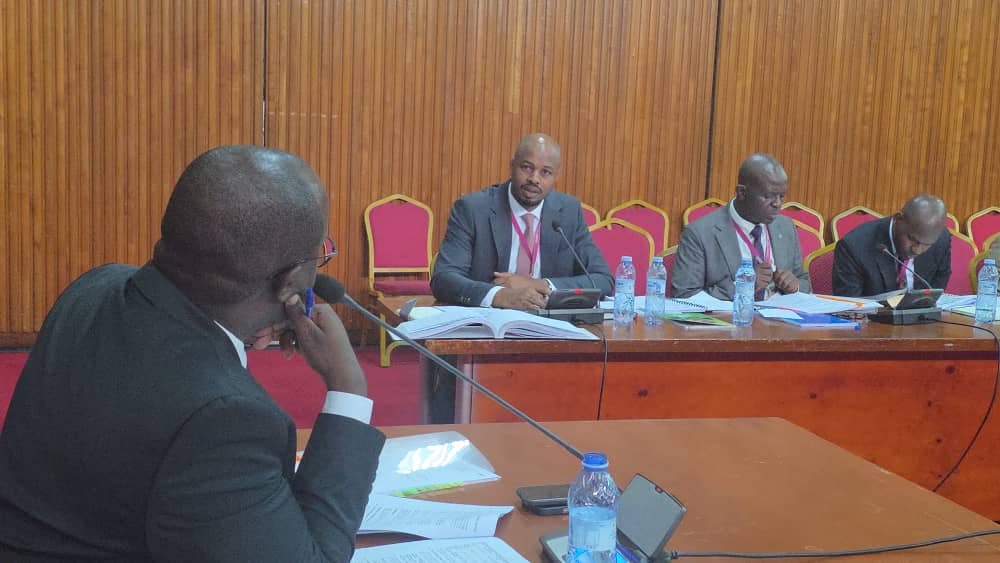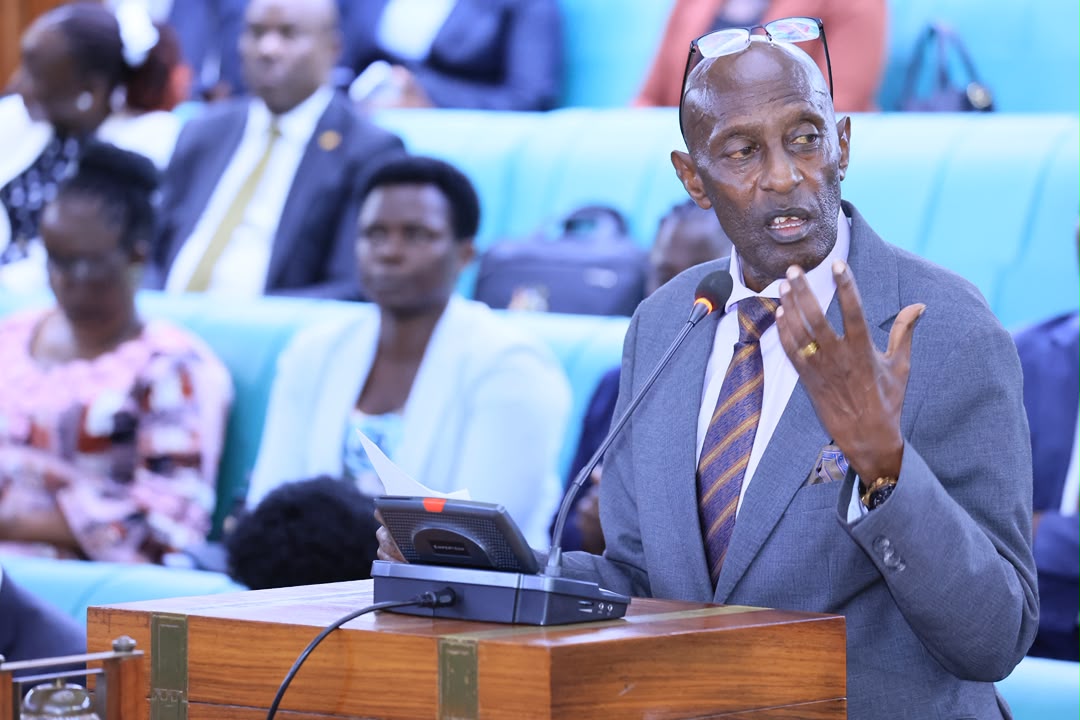
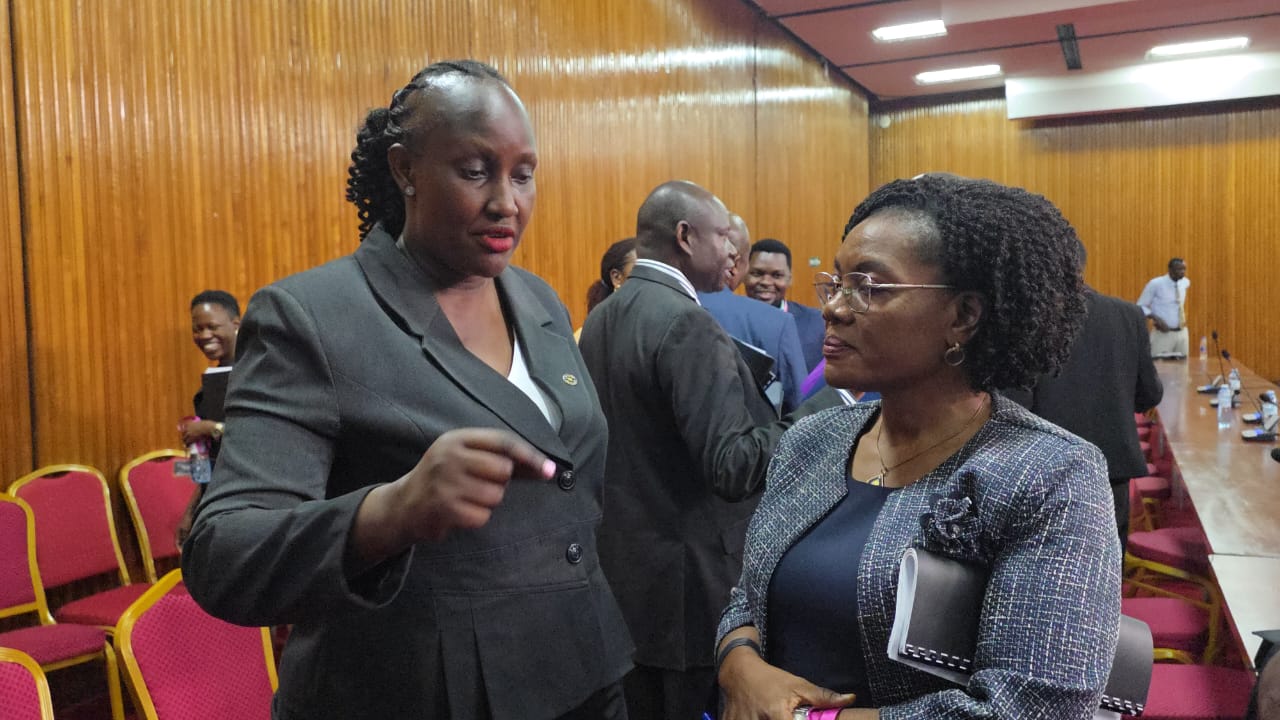
Butabika Hospital officials were sent out of Parliament’s Public Accounts Committee (PAC) on Central Government after they failed to back up their spending with documents.
Betty Ethel Naluyima, who chaired the committee, told journalists at Parliament that the officials had made claims without proof.
“We have decided to chase away Butabika officials because they were just talking without evidence, yet the committee works on proof of evidence. They have to return with those documents,” she said.
The committee was reviewing queries raised by the Auditor General on the hospital’s accounts for the 2025 financial year.
MPs were concerned that the hospital had not delivered its strategic plan. Of 54 planned interventions, only eight were fully achieved.
Nine were partly implemented and six were not implemented at all. The remaining 31 could not be assessed because their five-year targets had not been quantified.
The Auditor General advised the accounting officer to set up a working monitoring and evaluation framework. It would ensure all interventions under the fourth National Development Plan (NDP IV), which runs from 2025 to 2030, are properly quantified and tracked.
Dr Juliet Nakku, the hospital’s executive director and accounting officer, told the committee that the 2025/26 to 2029/30 strategic plan already contained such a framework, with the interventions well quantified.
Geoffrey Mudimi Bulamburi, Silas Aogon (Kumi Municipality) and Martin Wanzala (Butembe County) asked why the hospital had failed to report properly on NDP III indicators. They said this weakened the credibility of its planning and budgeting, and undermined transparency, accountability and the achievement of national development goals.
The committee advised Nakku to involve the National Planning Authority early when aligning the hospital’s plans, budgets and workplans with the national plan, rather than waiting until a plan period ends.
MPs also noted gaps in community and post-treatment services, poor maintenance of the theatre and private wing, weak support supervision of regional mental health services, and the lack of a working complaints system.
Other concerns were bed occupancy of 160%, unallocated money in the suspense account, and failure to provide a fixed assets maintenance workplan for audit.
The hospital had also not updated its assets in the Government Financial Management Information System (GFMIS) asset module, and its asset register was incomplete.
The committee questioned staffing gaps, with nurse-to-patient ratios far below recommended standards and as poor as 1:79 in some units. The Biina and Kireka male acute wards were the most congested, with more than 190 and 230 patients respectively.
MPs also cited inadequate equipment, a shortage of antipsychotic drugs, patients staying long after discharge, and weak emergency preparedness in critical units.