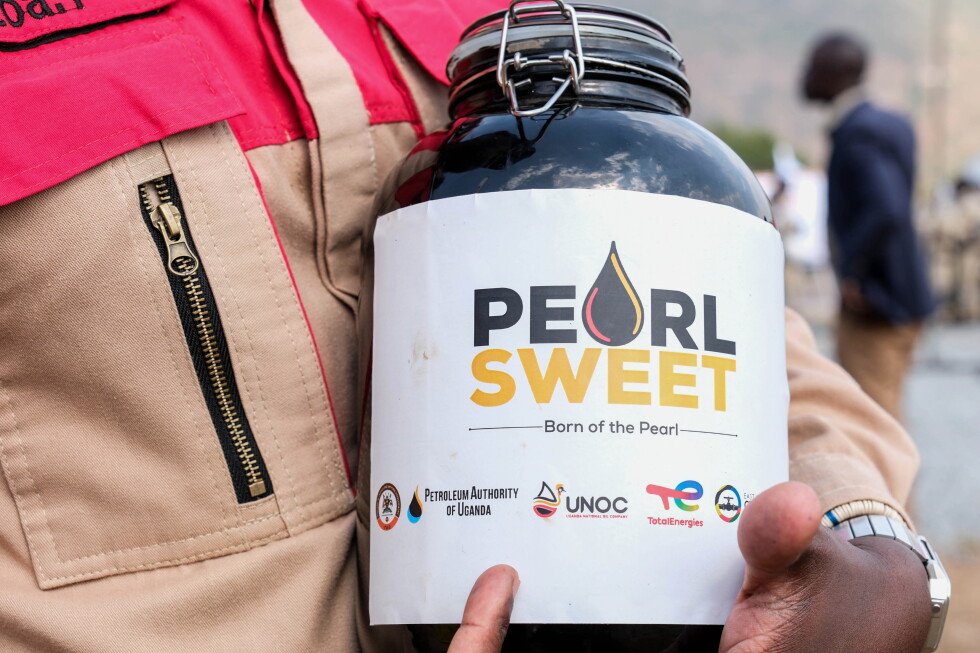
Civil society groups from Uganda, Tanzania, the Democratic Republic of the Congo and other African countries have rejected the name Pearl Sweet, saying Uganda’s oil sector has brought hardship, not sweetness, to the people living closest to it.
In a joint communique, 58 organisations said the name hides the damage done to communities, wildlife and local businesses.
The signatories include the Africa Institute for Energy Governance (AFIEGO), the National Association of Professional Environmentalists (NAPE) and the Environmental Governance Institute.
“Uganda’s oil projects are anything but sweet,” the groups said. They said the sector had left “a sour taste” among oil host communities, conservationists, climate campaigners and businesses.
The communique was a response to a ceremony on September 2, at the Kingfisher Development Area in Kikuube district, western Uganda.
There, President Museveni announced Pearl Sweet as the commercial name of the country’s crude oil.
The name has two parts. “Pearl” comes from Uganda’s nickname, the Pearl of Africa, while “sweet” refers to the oil’s low sulphur content. The government puts the sulphur level at 0.12%.
They said in the oil trade, “sweet” crude has little sulphur and is cheaper and easier to refine than “sour” crude, which has a lot.
Museveni said the oil was called sweet because it contains little or no sulphur. Musenero said the name carries Uganda’s identity into the international oil market.
Pearl Sweet was picked from a shortlist that reportedly included Pamoja Sweet, Uganda Blend, Pearl Blend and Crane Blend.
The timing matters because Uganda is close to producing oil. The Ministry of Energy said work on the Kingfisher facilities was 99.4% complete. Kingfisher and the neighbouring Tilenga project are expected to produce about 230,000 barrels a day at peak.
The East African Crude Oil Pipeline (EACOP), which will carry the oil to Tanga port in Tanzania, was reported to be 92% complete at the end of August.
The organisations accepted that the name is meant to signal low sulphur to the market. But they said that did not make the oil sector sweet.
“For various sections of the Ugandan and East African public, it is a sour sector,” the communique said.
They said the sector had forced more than 118,000 people in Uganda and Tanzania from their land. They said young and old people, women and people with disabilities were all affected, and many were paid late, too little, or unfairly.
Many families, they said, could not replace the land they lost. “The sour taste lingers to date,” they said.
Kingfisher and Lake Albert
The CSOs said the same bitterness was felt around Kingfisher itself. The project sits on the Buhuka flats, which they said, citing community testimonies, families once used for grazing, farming and fishing.
They said oil activity, and the military presence that followed, had restricted access to land and to the lake that people depend on for a living.
At the ceremony, the Kikuube district chairperson, Paddy Kisembo, asked the president for a meeting to discuss restricted access to the lake.
Some fishers told researchers that people moving into the area because of oil had pushed fishmongers, especially women, out of business. They also said heavy rains linked to climate change made fishing harder.
A cross-border court case
The complaints reach beyond Uganda. The organisations said fishers in the DRC believe oil work at Kingfisher and Tilenga has cut their catch, and that pollution does not stop at the border of a shared lake.
Congolese groups, including Alerte Congolaise pour l’Environnement et les Droits de l’Homme, filed a case at the East African Court of Justice on 13 October 2025.
It names Uganda’s attorney general, the DRC’s justice minister and the East African Community’s secretary general. They accuse the governments of failing to protect Lake Albert.
Jobs, businesses and nature
The oil sector was promised as an economic game changer that would create jobs and lift the economy. The groups said many people have not seen those gains.
They said some residents of Buhuka told the ceremony they had gained neither jobs nor a visible improvement in their lives from Kingfisher. In Tanzania, people living along the Eacop route, including indigenous communities, say they were left out of pipeline jobs.
Hotel owners and food providers in Buliisa district, where Tilenga is based, said some of their businesses nearly collapsed after they invested heavily in an oil boom that did not arrive. The groups also said more than 60 Ugandan suppliers to the sector remain unpaid.
They said research dating back to 2015 shows the projects and the pipeline have affected elephants, mangroves on the coast near Tanga and wetlands linked to Lake Victoria.
“Nature is also weeping,” the communique said.
Oil money and electricity
They also challenged what they said was Museveni’s promise at the ceremony that oil money would be used to electrify the country.
They said the government earned $868m in tax and non-tax oil revenue between 2018 and June 2025, yet only just over 20% of Ugandans have grid power and more than 90% cook with biomass such as firewood and charcoal.
Uganda is also heavily indebted, they said, and oil revenue is unlikely to clear the debt while also paying for wider access to clean energy.
What they want
The CSOs said some people watching the ceremony had suggested Uganda should pursue clean energy instead. They repeated that call and urged Uganda and other East African governments to invest in it.
They asked the Ugandan and Tanzanian governments to restore access to fishing grounds and grazing land wherever it has been restricted, and to settle outstanding compensation claims.
They also want the governments to require the EACOP company, CNOOC Uganda Limited and TotalEnergies EP Uganda to repair the environmental damage the projects have caused in Uganda, Kenya, Tanzania and the DRC.
Finally, they said ecosystems including Lake Albert, the River Nile, Bugoma and Budongo forest reserves and Murchison Falls national park must be protected, and that oil activities harming them “should stop”.