
Environment Parliament, a people-centred climate change and environmental forum, has proposed the introduction of a parliamentary climate change and environment week to raise awareness and promote action against environmental degradation.
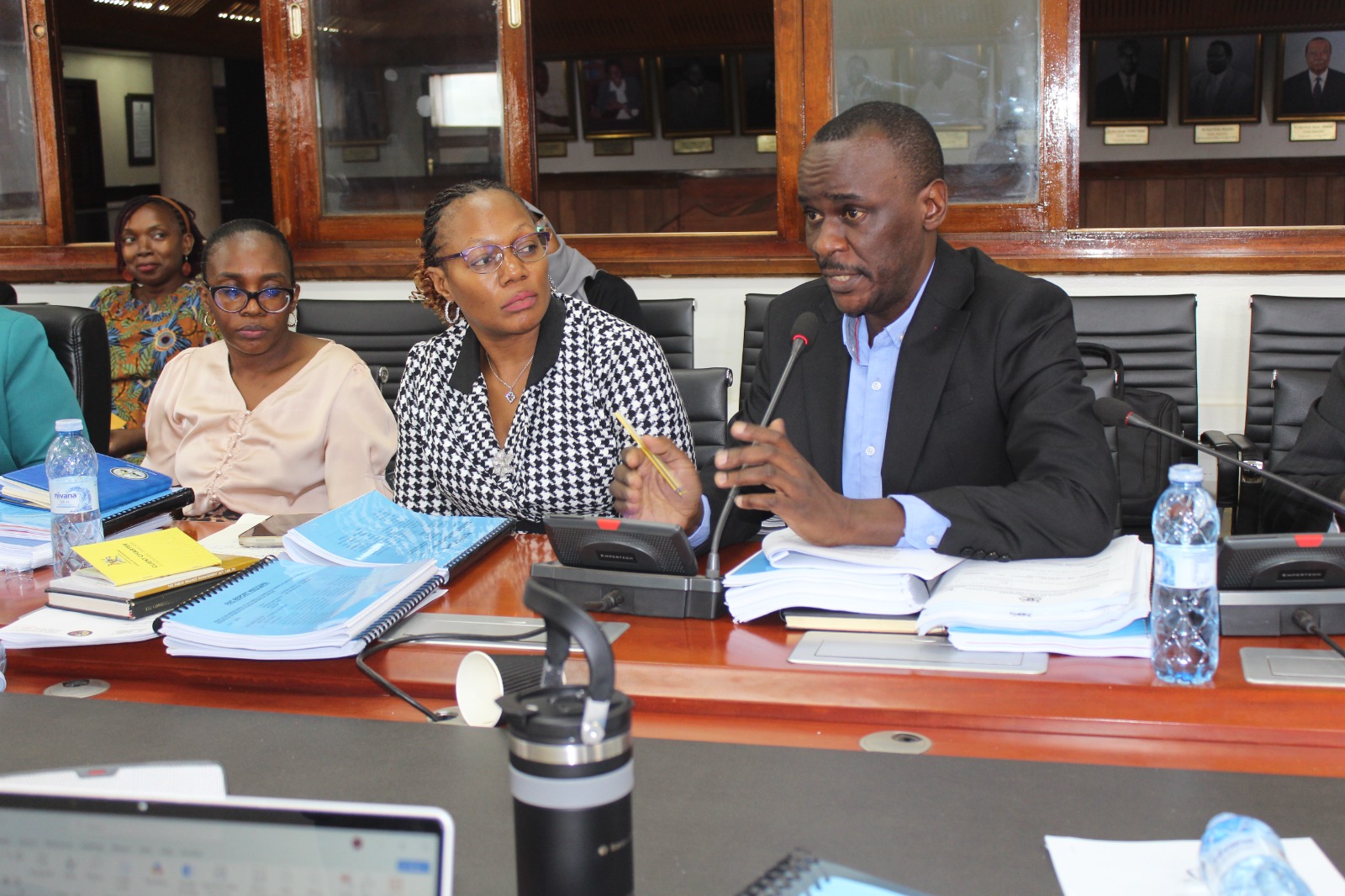
Moses Katende, the forum’s coordinator, made the proposal during a meeting between its representatives and Parliament’s Committee on Climate Change.
“We have come to propose a Parliament Environment and Climate Change Week to bring awareness of these issues to members of Parliament, who should lead the way,” Katende said.
He expressed concern that awareness of environmental issues remained limited among leaders responsible for making laws, providing oversight and approving funding for institutions mandated to protect Uganda’s environment.
Katende urged the committee to popularise the climate change manifesto, saying its implementation could create green jobs and open up economic opportunities for Ugandans.
He also proposed stronger partnerships between Parliament and development organisations, saying the forum could help coordinate programmes, support implementation and promote accountability among participating citizens.
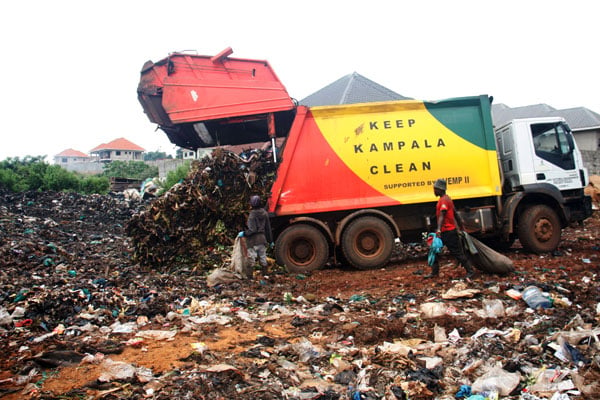
Katende cited charcoal consumption as a major driver of deforestation. He said about 2.8 million households depend on charcoal and called for greater investment in alternatives, including bio-pellets, liquefied petroleum gas (LPG) and briquettes.
He told committee vice-chairperson and Bughoko North MP Shafiga Wanyenya that bio-pellets made from compressed waste materials from timber processing could reduce pressure on forests while creating jobs through investments in clean-energy factories.
Katende also proposed that government consider investing about $60 million to phase out charcoal use, arguing that the long-term environmental and economic benefits would justify the expenditure.
John Robert Turyakira, coordinator of AFGHNET, said the proposed week would help popularise existing environmental laws and explain how they affect ordinary citizens.
He said exhibitions, public demonstrations and other awareness activities could bring Parliament closer to communities experiencing the effects of climate change. He also called on the committee to use digital platforms to increase public engagement on environmental issues.
Wanyenya welcomed the participation of young people and women, saying they were among those directly affected by climate change.
She urged government and the private sector to combine industrial development with environmental impact assessments and practical mitigation measures.
“I might say I am not using charcoal, but what about my people? How many can afford clean energy? I welcome the week for visibility because we need collective responsibility in handling this matter,” Wanyenya said.
She pledged to consult committee chairperson Aggrey Bagiire, who was on an official trip abroad, and other members on how to strengthen collaboration with Environment Parliament.