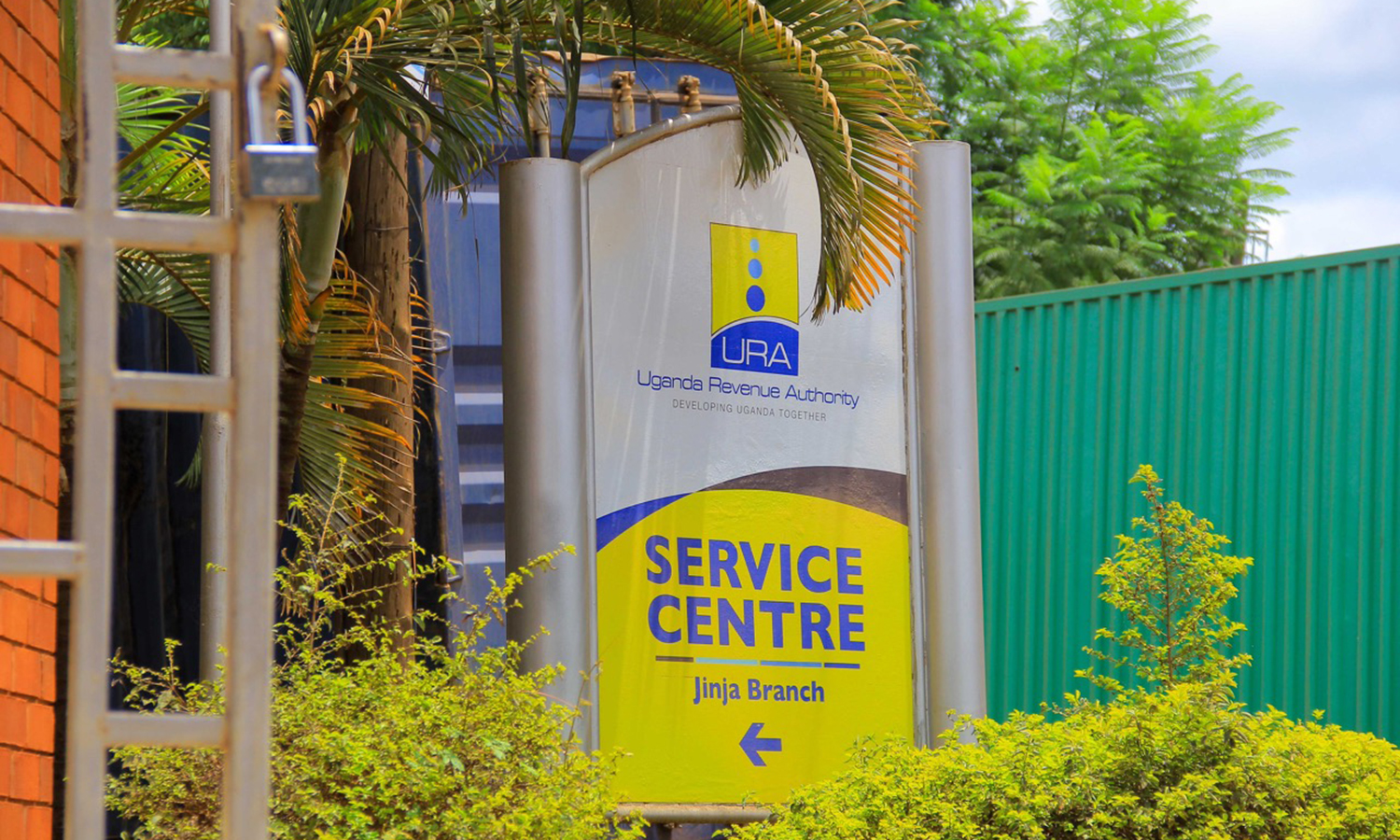
David Mutebe, a tax officer with the Uganda Revenue Authority (URA) who asked for a bribe of Shs3 million from Alnoor Tiles & Ceramics so that he could “assess” them fairly, has cost his employer a Shs32.8 million VAT case.
In a ruling, the Tax Appeals Tribunal (TAT) said Mutebe abused his powers, and after Alnoor declined to offer him a bribe, his assessments were issued in bad faith.
The dispute began in October 2022 when Mutebe visited Alnoor Tiles & Ceramics for a stock spot check.
Alnoor, which sells ceramic tiles and other specialised construction activities, was being subjected to a VAT offset verification exercise.
According to Salim Nyanzi Ssentamu, a director of Alnoor, Mutebe first contacted him by telephone in November 2022 at about 9 pm.
Nyanzi told the tribunal that Mutebe asked whether he was the contact person for a person called Hajjat Mirage.
He explained that he was not, but identified himself as a director of Alnoor Tiles & Ceramics.
Mutebe then told him that he would visit the company’s premises to verify its VAT offset.
About two weeks later, Mutebe arrived and carried out a physical stock check, but according to Nyanzi, no formal report was given to the company after the exercise.
Two days after the stock check, Nyanzi said Mutebe called him and demanded Shs3 million as an inducement, which he rejected outright. He told the tribunal that he instead chose to face the audit.
The tribunal later found emails and WhatsApp messages confirming Mutebe had asked for the bribe. URA investigated Mutebe’s conduct and, after a disciplinary process, dismissed him.
After declining to bribe him, Nyanzi said Mutebe began demanding company records, including bank statements and sales ledgers.
There was, however, a problem because Mutebe had given Alnoor until November 11, 2022, to provide the requested information.
Instead, the first additional VAT assessment was issued on November 10, one day before the deadline. According to the assessment, Alnoor was supposed to pay URA Shs 32 million in VAT.
On its part, Alnoor objected to the assessments, saying that it issued EFRIS invoices to its customers and that the assessments had been influenced by Mutebe’s demand for a bribe.
The company’s management even complained to URA’s Manager of Compliance and was advised to object to the assessments and state that the officer had been biased and had solicited a bribe.
In a strange twist of events, URA, however, defended the assessment, saying that Alnoor had under-declared sales made to final consumers who did not have Tax Identification Numbers (TINs).
URA also accused the company of failing to properly integrate its accounting system with EFRIS, adding that some EFRIS invoices were issued late, instead of being generated in real time.
URA further pointed to a physical stock check in which its officers allegedly found a difference of 47 boxes between the company’s records and the physical stock.
The tax body also raised questions about invoices generated through QuickBooks. It said some invoice numbers appeared out of sequence.
For example, invoices 243 and 242 were said to have been issued on January 30, 2022, while invoices 257 and 258 appeared to have been issued two days earlier, on January 28.
URA argued that these inconsistencies cast doubt on Alnoor’s records.
The tax body also claimed that the company had failed to provide requested documents and even alleged that computers at the premises had been destroyed.
Paramount Hospital ordered to pay Shs48m over unpaid X-ray machine
But the tribunal found that Alnoor’s records had in fact been provided, noting that it submitted sales records, bank statements and supporting documents, while a forensic examination of one computer later confirmed that the information retrieved matched records already supplied by the company.
The tribunal said URA’s claim that the company had deliberately destroyed or concealed records was not supported by a forensic report.
The tribunal also found that URA had failed to provide tangible evidence for its allegation that Alnoor had sold goods to customers without TINs.
Although the law generally places the burden on a taxpayer to challenge a tax assessment, the tribunal said that burden can shift when evidence is produced.
“The party alleging a fact must adduce evidence to support it,” the tribunal said.
Another important piece of evidence came later, after URA, in its own report dated September 1, 2023, concluded that during surveillance on August 26, 2023, Alnoor was found to be generally compliant.
The report indicated that the company was correctly using QuickBooks and EFRIS and was issuing invoices when goods were being loaded.
The tribunal also found it strange that the disgraced URA officer, Mutebe, had requested information on November 9, 2022, and given Alnoor until November 11 to provide it. Yet the first assessment came on November 10.
It described this as “a fundamental breach of procedure and natural justice” and said the breach alone made the assessments irregular and invalid.
Regarding the bribe, the tribunal ruled that the evidence showed Mutebe proposed a Shs3 million cash inducement and threatened an audit if the money was not paid.
It said the subsequent demand for documents by Mutebe, followed by the hurried assessments, could not be treated as unrelated events.
“The officer’s motive was clearly demonstrated when he threatened to undertake an audit unless a bribe of Shs. 3,000,000 was paid,” the tribunal said.
The tribunal said the assessments were not an impartial exercise of tax powers but an “improper exercise for personal benefit” and rejected URA’s attempt to separate the officer’s misconduct from the tax assessment.
“The argument by [URA] that the assessments and the disciplinary action are separate issues is not tenable,” the tribunal ruled.
It said the WhatsApp messages between Mutebe and Nyanzi, together with the disciplinary action taken against Mutebe, proved the solicitation of the bribe.
The tribunal also considered the 47-box stock variance, late-issued invoices and out-of-sequence invoice numbers relied upon by URA but said none of these irregularities had been conclusively linked to an actual under-declaration of sales, loss of tax or concealment of income.
Alnoor was represented by lawyer Peter Mulongo, who argued that the Shs32 million VAT assessment should be cancelled because it was raised before the company had been given time to provide the requested records and because it was connected to the officer’s alleged solicitation of a bribe.
He also argued that URA had failed to produce evidence supporting claims about sales to customers without TINs and other alleged irregularities.
Lawyers from URA’s legal department, on the other hand, argued that the assessment was lawful and that the company had failed to maintain proper records and provide sufficient evidence.
They relied on the Tax Procedure Code Act and the VAT Act and asked the tribunal to dismiss Alnoor’s case and order the company to pay the assessed tax and URA’s legal costs.
In the end, their prayers were not answered as the tribunal sided with Alnoor.
It cancelled the entire Shs32 million VAT assessment and awarded costs to the company.