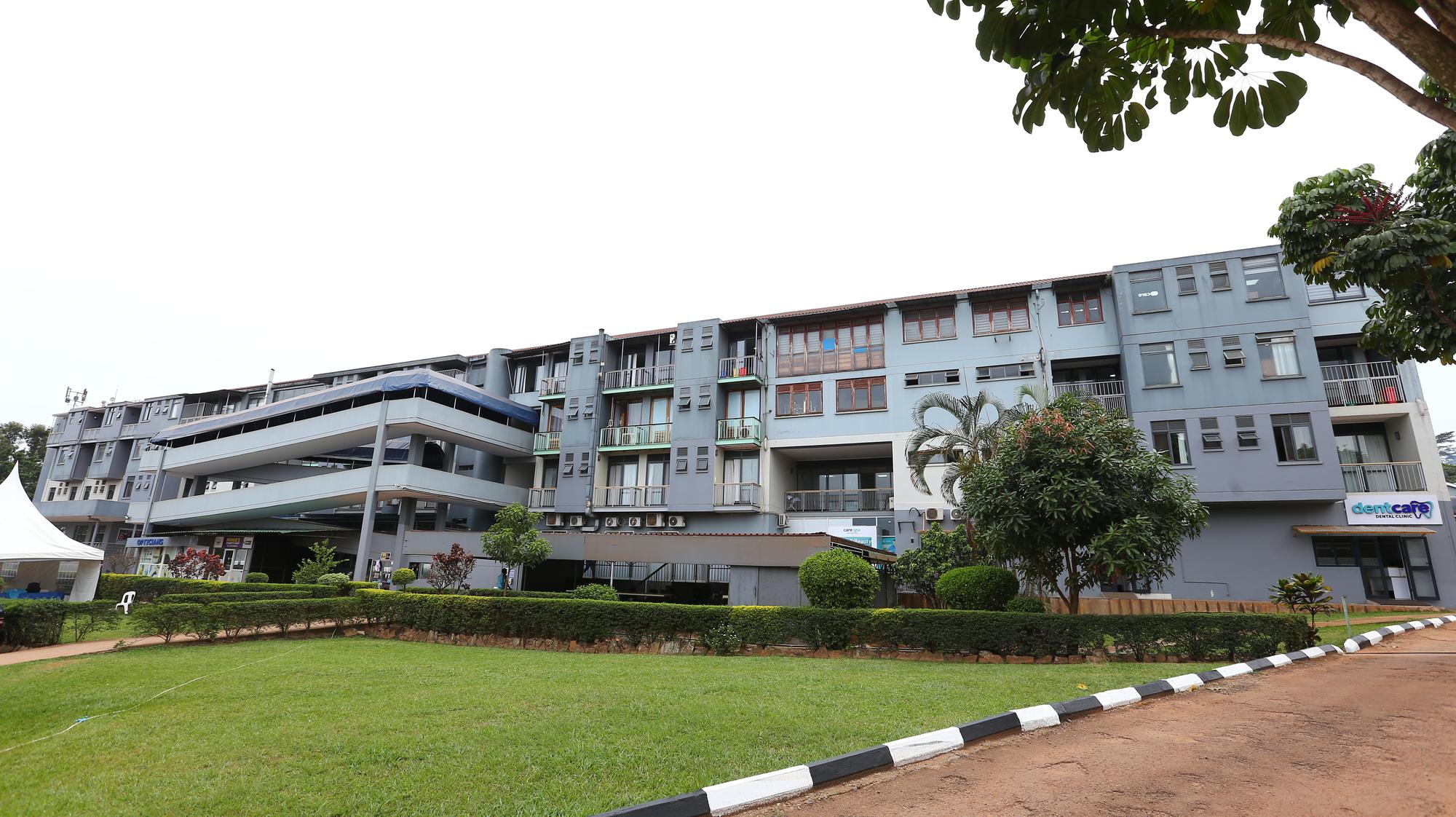
International Hospital Kampala (IHK), like other private hospitals, usually serves food to patients admitted at its Namuwongo-based medical facility.
For IHK, the meals are itemized and included in the final medical bill of the patient.
Between July 2018 and June 2022, the Uganda Revenue Authority (URA) carried out a tax assessment of the hospital and said it had to pay Shs 356 million as VAT on the meals it had served to its patients within that period.
The hospital vehemently protested and took the matter to the Tax Appeals Tribunal (TAT) for determination.
In the tribunal, URA said the hospital recorded catering income separately in its books and even itemised meals on patient invoices.
The tax authority also argued that the hospital had outsourced catering services to Dinners Restaurant, under an agreement in which IHK retained 75% of the gross catering revenue while the contractor kept 25 percent.
URA maintained that meals provided to ordinary admitted patients were optional and therefore separate from medical treatment.
“IHK operated its catering services as a standalone business unit, with separate revenue reporting, independent invoicing, an external contractual partner, and optional service offerings to the patients,” URA told the tribunal.
It said that the VAT assessment of Shs 356.5 million arose from undeclared income derived from catering services amounting to Shs 1.61 billion.
URA’s lawyers, Edmond Agaba and Rodney Amanya Mishambi, insisted that Uganda’s VAT law exempts medical services but not other ancillary commercial activities.
“The scope of the exemption does not extend to commercial or ancillary services provided alongside an exempt service unless the services are integral, inseparable, and incapable of independent existence from the principal exempt service,” URA argued.
However, IHK, which was represented by lawyers Edwin Echiba and Noah Opinde, argued that meals for admitted patients were not ordinary restaurant meals but part of treatment and recovery.
The hospital’s Head of Nursing, Dominic Ogwal Savio, testified that nutrition is prescribed by medical professionals and carefully managed to avoid dangerous food-drug interactions.
“Certain patients require specialized tube feeding, rendering it unsafe and medically inappropriate for them to leave hospital premises to obtain meals,” Ogwal told the tribunal.
Ogwal also explained that all admitted patients remain under continuous medical supervision and that nutrition forms part of the treatment plan.
He added that the meals are tailored by hospital nutritionists according to each patient’s medical condition.
IHK argued that imposing VAT on such meals would increase the cost of medical care by 18%, a burden which will ultimately be borne by patients in the form of higher medical costs.
He sold his school to Dr Lawrence Mulindwa for Shs 11.2bn. URA wanted him to pay Shs 4bn as tax
After hearing both sides, the tribunal’s panel, comprising Crystal Kabajwara, Stella Nyapendi Chombo, and Grace Safi, sided with IHK.
In a detailed analysis, the panel examined whether meals given to admitted patients were “incidental” to medical services or whether they constituted a separate business activity.
It found that the main service offered by the hospital was medical care and that meals formed part of that care.
“The evidence on record shows that admitted patients are under continuous medical care, which is the principal supply, whether in ICU or not, and their recovery includes proper nutrition, continuous supervision, treatment, and the necessary support,” the panel said.
The panel rejected URA’s argument that only ICU meals qualified for exemption and dismissed the significance of itemising meals on invoices.
“Itemization for billing clarity alone does not make an incidental supply a separate supply,” the panel ruled.
It concluded that meals served to admitted patients are inseparable from treatment and therefore exempt from VAT.
As a result, the VAT assessment of Shs356.5 million was completely cancelled.