
Four radio stations owned by Vision Group have emerged as the leading stations in four of Uganda’s 15 sub-regions, according to the 2026 Uganda National Media Survey (UNMS).
The stations are Arua One FM, Rupiny FM, Etop FM and Radio West, which recorded the highest radio listenership shares in West Nile, Acholi, Teso and Ankole respectively.
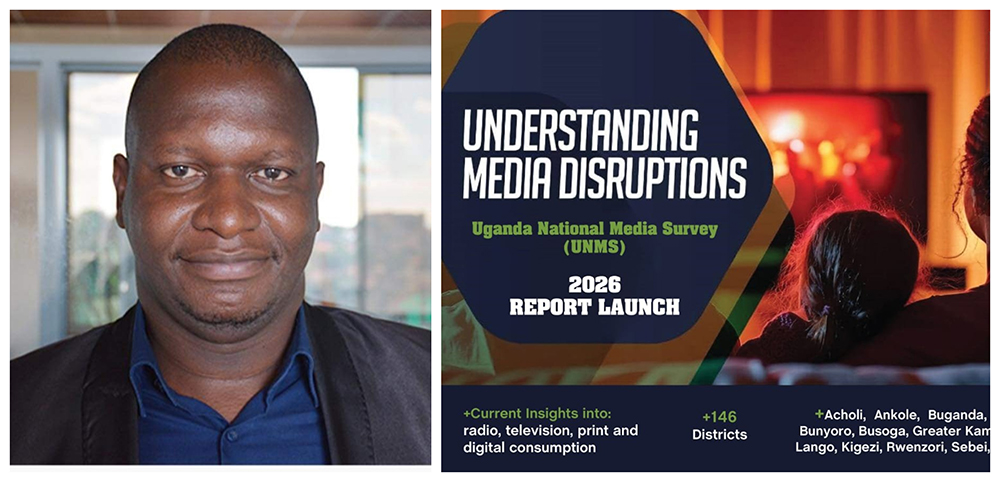
The findings are contained in the latest UNMS report launched by Market Intelligence Group (MIG) in Kampala on Thursday, September 3, 2026.
The survey examined how Ugandans consume radio, television, print and digital media across the country.
Arua One FM, which broadcasts on 88.7 FM, emerged as the leading radio station in West Nile, recording 38% of radio listenership in the sub-region.
Rupiny FM, which serves the Acholi sub-region, followed the same trend, recording 26.5% of radio listenership and taking the top position in the area.
In Ankole, Radio West 100.2 FM was reported as the leading station, with a 17% share of radio listenership.
Etop FM, which broadcasts on 99.4 FM and serves the Teso sub-region, recorded the strongest performance among the four stations, with 38% of radio listenership.
The survey also covered Kabalega FM, another Vision Group radio station serving Bunyoro. Unlike the other four stations, however, Kabalega FM did not top its sub-region. It ranked fourth in Bunyoro with 14% of radio listenership.
The findings are significant because Vision Group has faced changes in its regional media operations, including the closure of some of its regional newspapers.
The survey suggests that the group’s radio stations have continued to attract audiences despite these changes, as they adapt to changing patterns of media consumption in different parts of the country.
Radio remains an important source of information and entertainment for many Ugandans, particularly outside Kampala, where regional stations often broadcast in local languages and focus on issues affecting their communities.
The UNMS 2026 survey collected data across all 146 districts and 15 sub-regions of Uganda.
The researchers examined media consumption using several factors, including the total population, age, gender, education level and economic status of respondents.
The survey covered different forms of media, allowing researchers to compare how Ugandans consume radio, television, newspapers and digital platforms.
The latest findings provide a picture of the changing media landscape in Uganda and show that regional radio remains an important part of the country’s media industry.
While digital platforms and social media continue to change the way people access information, the strong performance of the four Vision Group stations shows that radio continues to command significant audiences in several parts of the country.
The findings also highlight the importance of regional content, with stations serving particular geographical areas continuing to compete strongly for listeners.