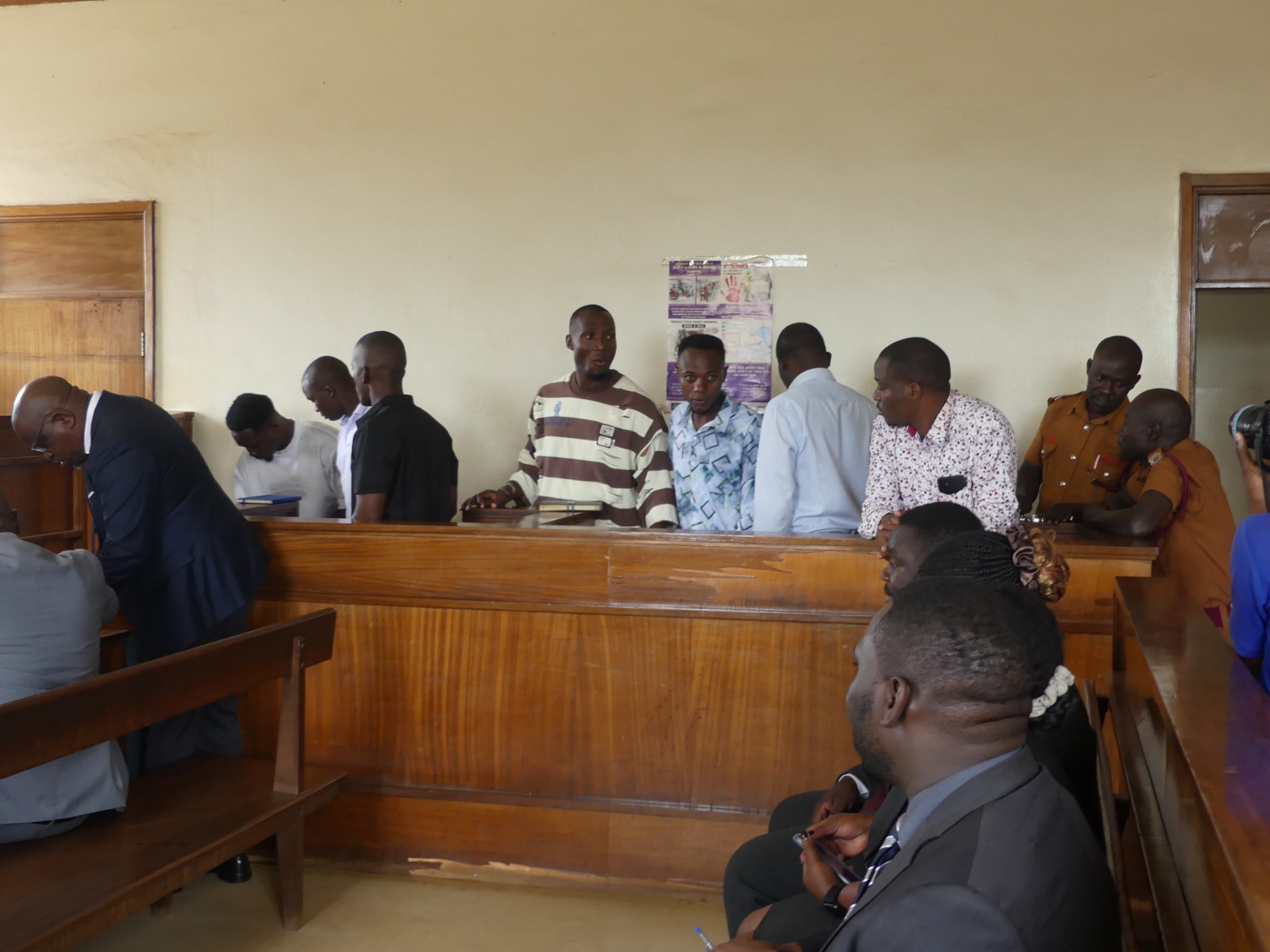
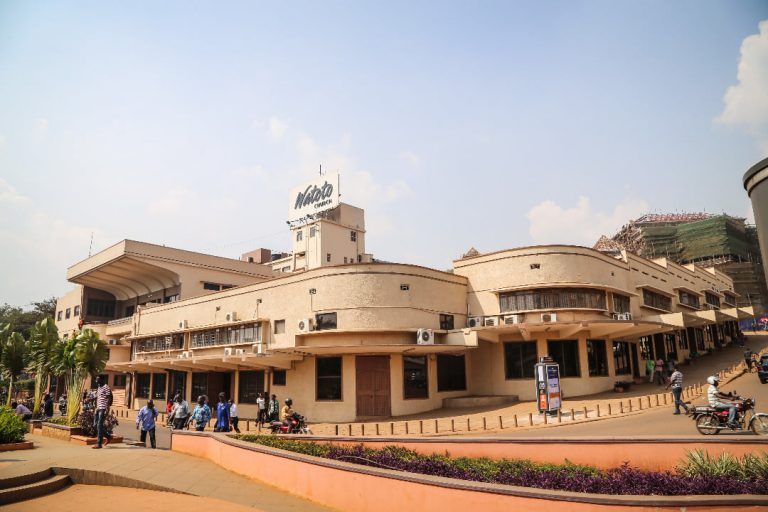
The government’s decision to list the Kampala Pentocostal Church (KPC) building along Kampala Road as a historical and cultural site has been quashed by the court after its owner, Watoto Church, challenged the decision, saying it was illegal, irrational and procedurally improper.
Justice Bonny Isaac Teko said the government had failed to demonstrate that the legal requirements for declaring KPC protected heritage had been followed.
KPC is a prominent building that straddles Kampala and Buganda Roads. In the 60s, 70s and 80s, it used to house Norman Godino Cinema before it was acquired by Watoto Church Ministries.
Last year, the property was declared by the government as a protected and heritage site, a decision that triggered Watoto Church and Kampala Playhouse to seek legal redress.
The church argued that the Minister of Tourism, Col Tom Butiime, had acted outside the powers given by law when he made the decision.
They also argued that the decision was irrational because the cinema use of the property had ended decades ago and that the premises had instead been used as a church facility for more than 40 years.
Watoto further complained that it was not consulted or allowed to make representations before their property was listed.
They also claimed that Butiime’s decision was intended to defeat an earlier High Court ruling which was related to the redevelopment plan of the building.
When the case first came before the court on September 3, 2025, the Attorney General, representing the government, did not file an affidavit in reply.
Instead, the government asked for an opportunity to explore Alternative Dispute Resolution (ADR) in an attempt to settle the matter without a full court determination.
Court allowed the request and directed the attorney general to file an affidavit in reply. The parties were then expected to file their written submissions.
Court set November 4, 2025, as the deadline for completing the filings if the proposed ADR did not resolve the dispute.
But the ADR did not take place, and the attorney general did not file the affidavit in reply until February 19, 2026, more than three months after the deadline.
When the matter came up in court, Justice Teko said the attorney general had been represented when the November 4 deadline was issued and was therefore aware of the court’s order and therefore rejected attempts to file the affidavit outside of the agreed period.
“A party cannot unilaterally enlarge a period expressly fixed by court merely by filing the document after expiration of that period,” he said.
This meant that the claims made by Watoto Church and Kampala Playhouse remained unchallenged.
But Justice Teko made it clear that the government’s failure to file its affidavit did not automatically mean that Watoto Church had won, insisting an unchallenged factual claim was different from a legal conclusion.
Lawyers from ALP Advocates, who represented Watoto, argued that the minister’s decision was an administrative decision made while exercising a public function and could therefore be challenged through judicial review.
They argued that the minister had acted outside the law, that the decision was irrational and that their clients had not been given a fair opportunity to be heard.
On the question of irrationality, the lawyers argued that no reasonable decision-maker could have listed the property as “Watoto (Norman Godinho Cinema)” when the cinema had stopped operating decades earlier, and the premises had been used as a church and ministry facility for more than 40 years.
They also argued that the listing affected their clients’ property rights and that the process should have allowed them to make representations.
Elizabeth Namakula, who represented the attorney general, did not file substantive evidential submissions because of the failure to file the affidavit in reply.
Supreme Court frees Mukono woman convicted of murdering husband
Justice Teko said the case was properly before the High Court because it concerned the exercise of public power by a minister.
He then examined whether the minister had followed the requirements of the Museums and Monuments Act, 2023 in taking the decision.
The statutory instrument had been laid before Parliament, so Justice Teko found no illegality on that particular point, but the government failed to produce evidence showing that the other statutory requirements had been satisfied.
“On the material before me, there is no evidence demonstrating compliance with those statutory preconditions,” Justice Teko ruled.
He concluded that the legal conditions for exercising the power had not been shown to have been met.
Although the Museums and Monuments Act did not expressly require an individual hearing for property owners under the particular process used, Justice Teko said the Constitution still required fair administrative treatment.
He found that Watoto Church and Kampala Playhouse had not been notified, consulted or allowed to make representations before the property was listed.
“In the circumstances of this particular case, I find that [Watoto and Kampala Playhouse] were entitled, as a matter of fair administrative treatment under article 42, to a reasonable opportunity to make representations,” he ruled.
Justice Teko then issued a declaration that the listing of KPC building as a historical building was unlawful because of illegality, irrationality and procedural impropriety.
He further prohibited the government from implementing, enforcing or relying on the disputed listing.
However, Justice Teko rejected the argument by Watoto that the minister had deliberately listed the property to circumvent the earlier High Court judgment related to its redevelopment.
He also rejected the church’s argument that the heritage listing amounted to compulsory acquisition requiring compensation.
Watoto Church and Kampala Playhouse therefore won the main judicial review challenge and Justice Teko ordered the attorney general to pay the costs of the case.
But he left the door open for government to exercise its heritage protection powers and list the building as a heritage site in future, provided it follows the law.