Uganda has launched a three-year initiative aimed at strengthening the country’s livestock, land and insurance systems against the growing effects of climate change.
The initiative is part of a wider programme, Accelerating Food Systems Transformation for Resilience to Climate Change in Africa, which seeks to help countries build food systems that can withstand droughts, floods and other climate-related shocks.
The programme is being led by the government in partnership with the United Nations Economic Commission for Africa (ECA), the African Union Inter-African Bureau for Animal Resources (AU-IBAR) and the Intergovernmental Authority on Development (IGAD).
Similar work will be carried out in Kenya and Somalia.
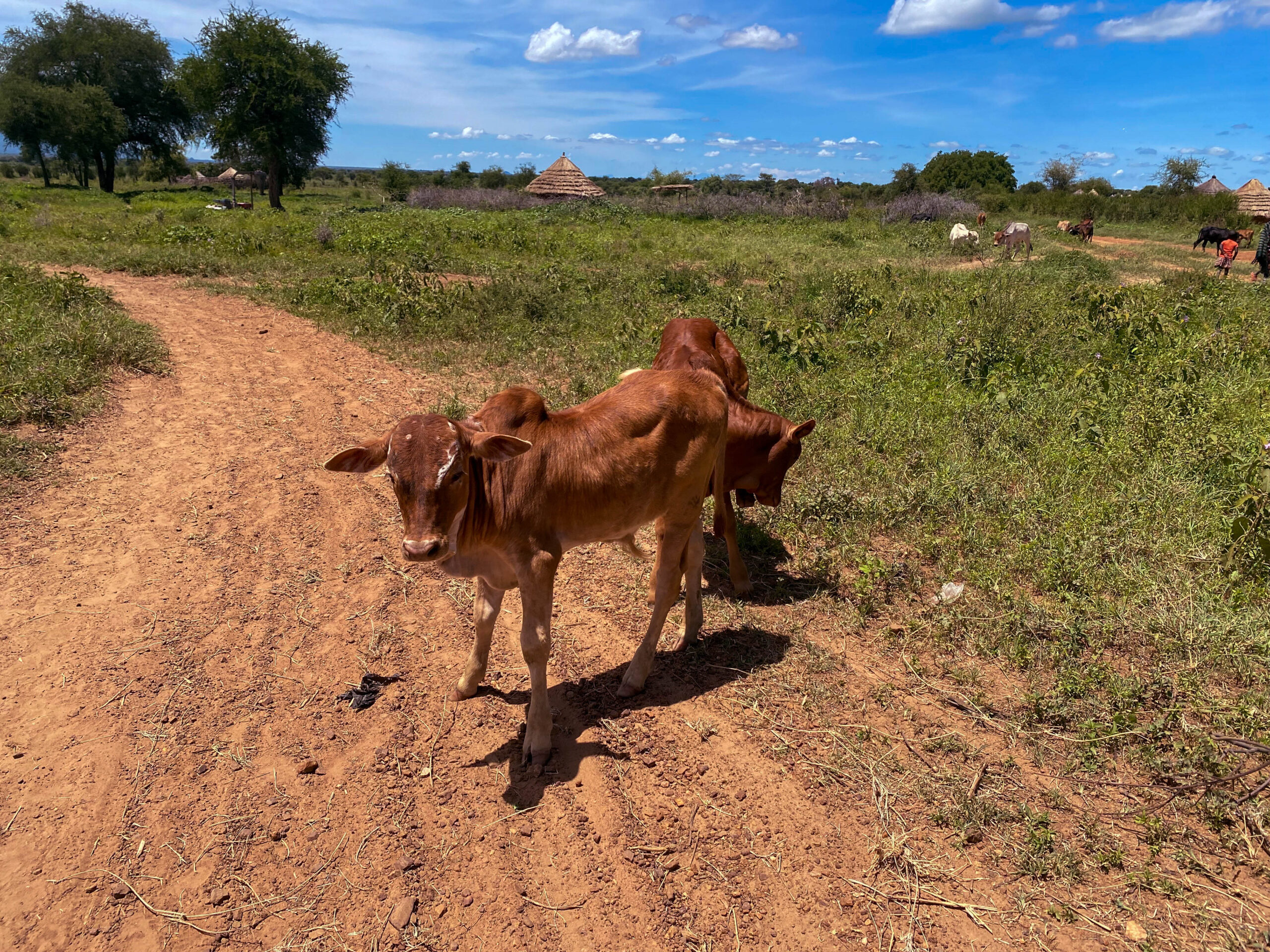
Livestock is an important part of Uganda’s economy and provides livelihoods for an estimated 4.5 million people. The sector contributes about 17% of agricultural gross domestic product, making its performance important to household incomes, food security and trade.
However, livestock farmers, particularly those in pastoralist areas, face increasing risks from climate change and changing weather patterns.
Droughts, water shortages, loss of pasture and other climate-related pressures can reduce livestock productivity and leave farmers with few options when animals are lost or their incomes fall.
The new initiative will address some of these challenges through action in four key areas: livestock value chains, climate and index-based livestock insurance, land tenure security, and climate and land information systems.
The programme is expected to strengthen livestock value chains, improve legal and policy frameworks for trade and provide training and other support to institutions and communities involved in the sector.
Maj Bright Rwamirama, the minister of State for Agriculture, said the initiative fits within existing government programmes aimed at increasing agricultural production and improving household incomes.
“The project aligns with the Government of Uganda’s Agro-Industrialisation Programme and the Parish Development Model. It is expected to complement ongoing government efforts while addressing critical gaps,” he said.
The discussions that marked the launch identified insecure land tenure and limited access to suitable insurance as some of the biggest obstacles facing pastoralist communities.
The United Nations Resident Coordinator in Uganda Leonard Zulu said building climate resilience requires more than simply increasing agricultural production.
He said governments and development partners also need to address the systems that determine whether farmers can access land, markets and other services.
The focus on these wider challenges, he said, could help create jobs, improve food security and increase trade, while making livestock a stronger driver of economic growth in Uganda and the wider IGAD region.
Medhat Elhelepi, project coordinator at the ECA, said Africa’s food insecurity cannot simply be blamed on a shortage of natural or human resources.
He said the continent has large amounts of land, livestock, labour and markets, but has struggled to turn these resources into greater economic value and more secure livelihoods.
“Africa’s persistent hunger, despite its land, livestock, labour and market endowments, is fundamentally a challenge of converting existing assets into value, jobs, trade and resilience, rather than a lack of resources,” Elhelepi said.
He said practical solutions designed and owned by individual countries could help unlock the potential of Africa’s livestock sector.
The project will begin with technical assessments to identify the main weaknesses in the livestock, land and insurance systems. The findings will then be used to guide policy reforms, improve coordination among government institutions and identify opportunities for investment.
Judith Nabakooba, the Minister for Lands, said the evidence generated through the programme would be important in shaping future government policies and investments.
She said the process would also help strengthen coordination among institutions responsible for land and livestock issues and ensure that investments improve people’s livelihoods while increasing their ability to cope with climate change.
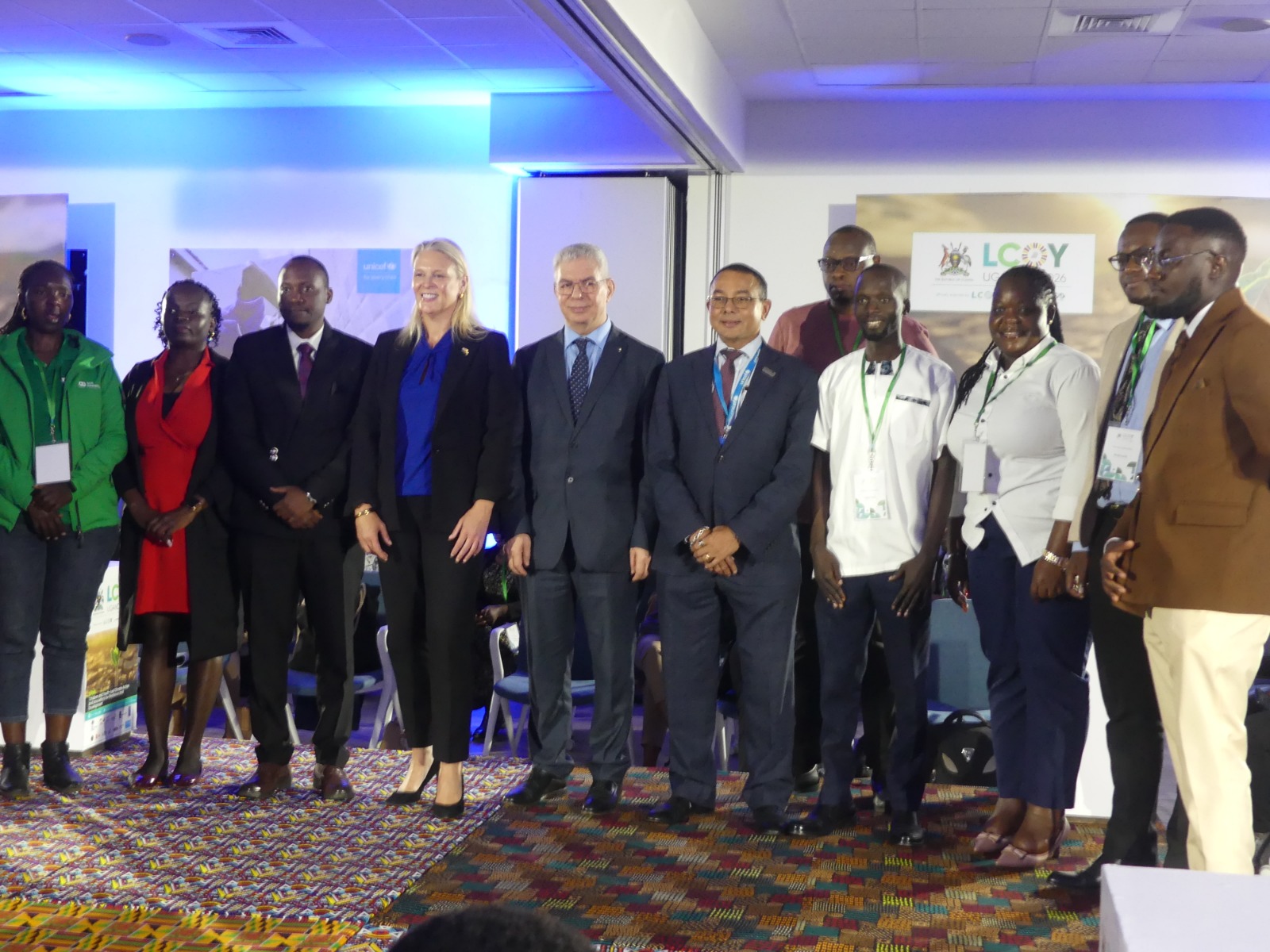
The launch brought together government officials, development partners, pastoralist representatives, private sector players and researchers.