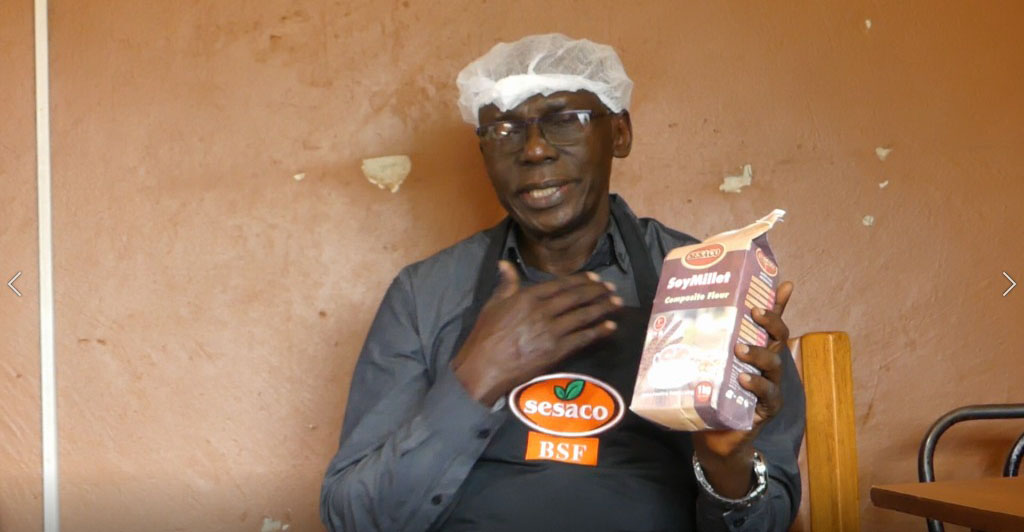
A section of local businesses in Kansanga, Makindye Division, say rising rents, taxes and growing competition from businesses owned by refugees are making it increasingly difficult for them to survive.
The traders told Bbeg Media during an interaction on the challenges affecting their businesses that some landlords had sharply increased rents as demand for commercial space grew.
Asuman Mbaziira, who operates a butchery, said he had been forced to consider leaving his business premises because he could no longer afford the rent.
“We have been forced out of business because we cannot afford to rent these business premises anymore,” Mbaziira said.
He said he previously paid Shs400,000 a month for his business space, but the landlord had increased the rent to Shs1.5 million.
Mbaziira attributed the increase partly to the growing number of foreign-owned businesses in the area, saying some of the traders from Eritrea, Ethiopia and South Sudan could afford to pay higher rents.
He said this had made it difficult for local traders to compete for business premises.
Mbaziira added that the higher rent had also reduced the money he takes home because a large part of his earnings now goes towards paying the landlord, leaving him with little to save or support his family.
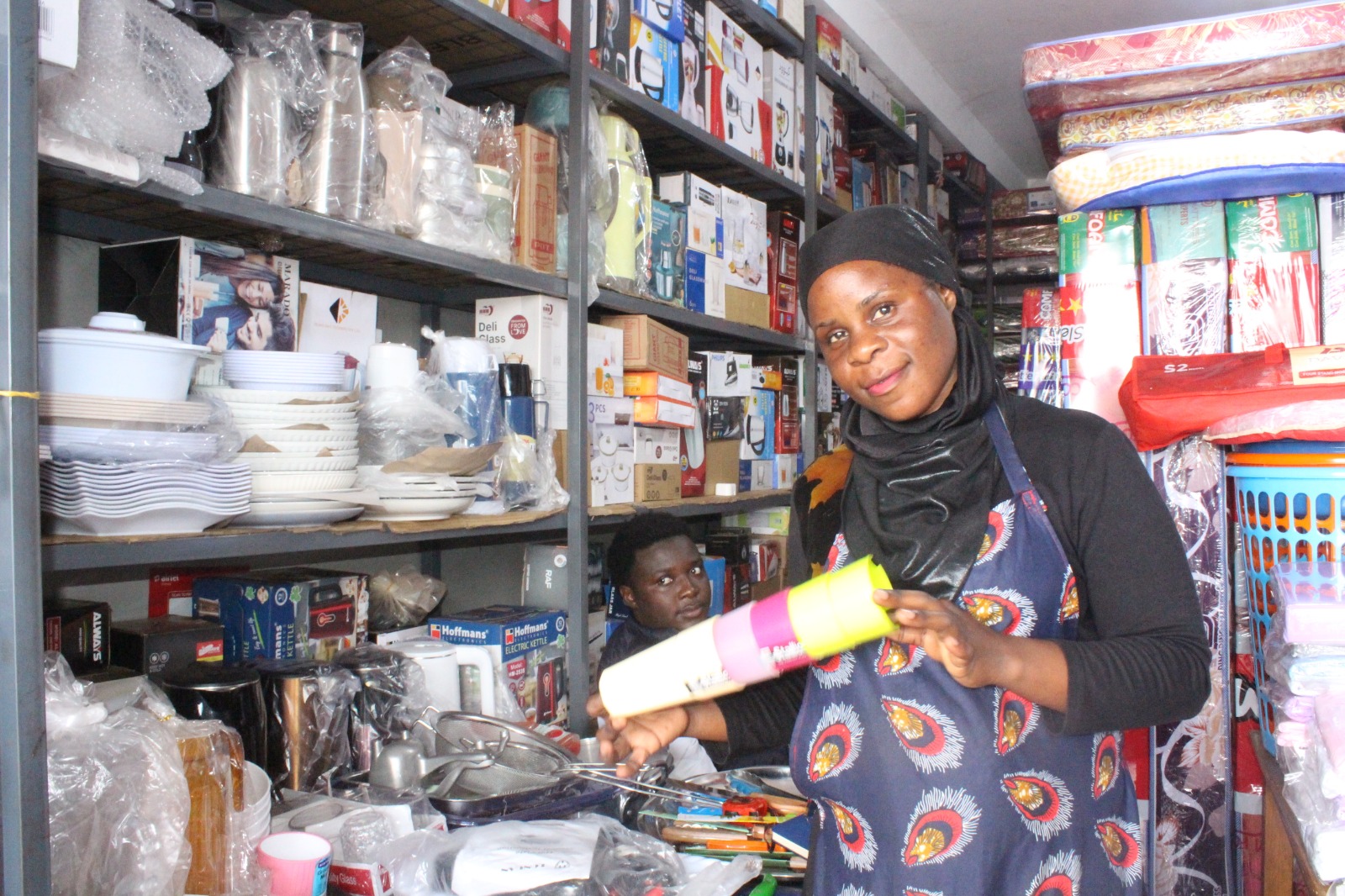
Madina Nakitto, who operates a retail shop selling mattresses, kitchenware and plastic products, complained about what she described as increasing taxes on imported and locally manufactured goods.
She also said local traders were facing growing competition from businesses owned by Eritrean and Ethiopian refugees.
Nakitto said some of her former customers had stopped buying from her because they had opened their own businesses or were now buying goods from fellow refugees.
Josephine Tendo, who sells kitchenware such as plates, cups, saucepans and plastic items, also complained about taxes on imported and locally manufactured goods.
She called on the government to consider tax relief for small local businesses, saying many traders were struggling to survive amid rising costs and increased competition.
She said many refugees living in Kansanga had been her customers, although their contribution to her business had declined as more of them started operating businesses of their own.
For hardware trader Samalie Giibwa, however, refugees are not necessarily competitors.
Giibwa said refugees from Eritrea, Ethiopia and South Sudan had actually helped her business because many of them rented apartments and bought construction materials from her.
“Whichever apartment they rent, they will buy materials such as paint from me,” she said.
She encouraged other Ugandan traders to view refugees as potential customers rather than competitors.
Sadik Wasswa, a special hire driver, said his business had also been affected by the growing number of refugee-owned transport businesses.
He said he previously earned a living by transporting refugees, but some refugees had since entered the taxi business, making competition tougher.
Wasswa said refugees often preferred supporting fellow refugees, making it harder for Ugandan taxi operators to retain some of their customers.
However, he praised some South Sudanese traders for continuing to give him business whenever they needed transport services.
The concerns are not limited to Ugandan traders.
Some foreign business owners in Kansanga also said they were struggling with rising operating costs and intense competition.
Rafi Liya Phone Spares, a business dealing in mobile phones and accessories, said the cost of obtaining supplies from countries including China, Vietnam and the United Arab Emirates had increased.
The trader linked some of the disruption to international shipping problems associated with tensions in the Middle East, including the conflict involving Israel and Iran and disruptions around the Strait of Hormuz.
Some foreign-owned restaurants and cafeterias also said the relatively small market in the area had made it difficult for them to generate enough business to cover high rents and other operating costs.
Traders dealing in Eritrean and Ethiopian clothes said competition among foreign-owned businesses was also becoming intense because many shops were selling similar products.
Efforts to obtain comment from Makindye Mayor Yasini Omari and Makindye East legislator Ali Kasirye Mulyanyama were unsuccessful.
Uganda’s refugee policy allows refugees to engage in economic activities and work under the country’s legal framework.
However, individual businesses and workers are still required to comply with applicable laws and licensing requirements.