The government has apologised to Ugandans for the widespread power outages experienced across the country in recent weeks, saying the interruptions are the result of ongoing electricity infrastructure upgrades.
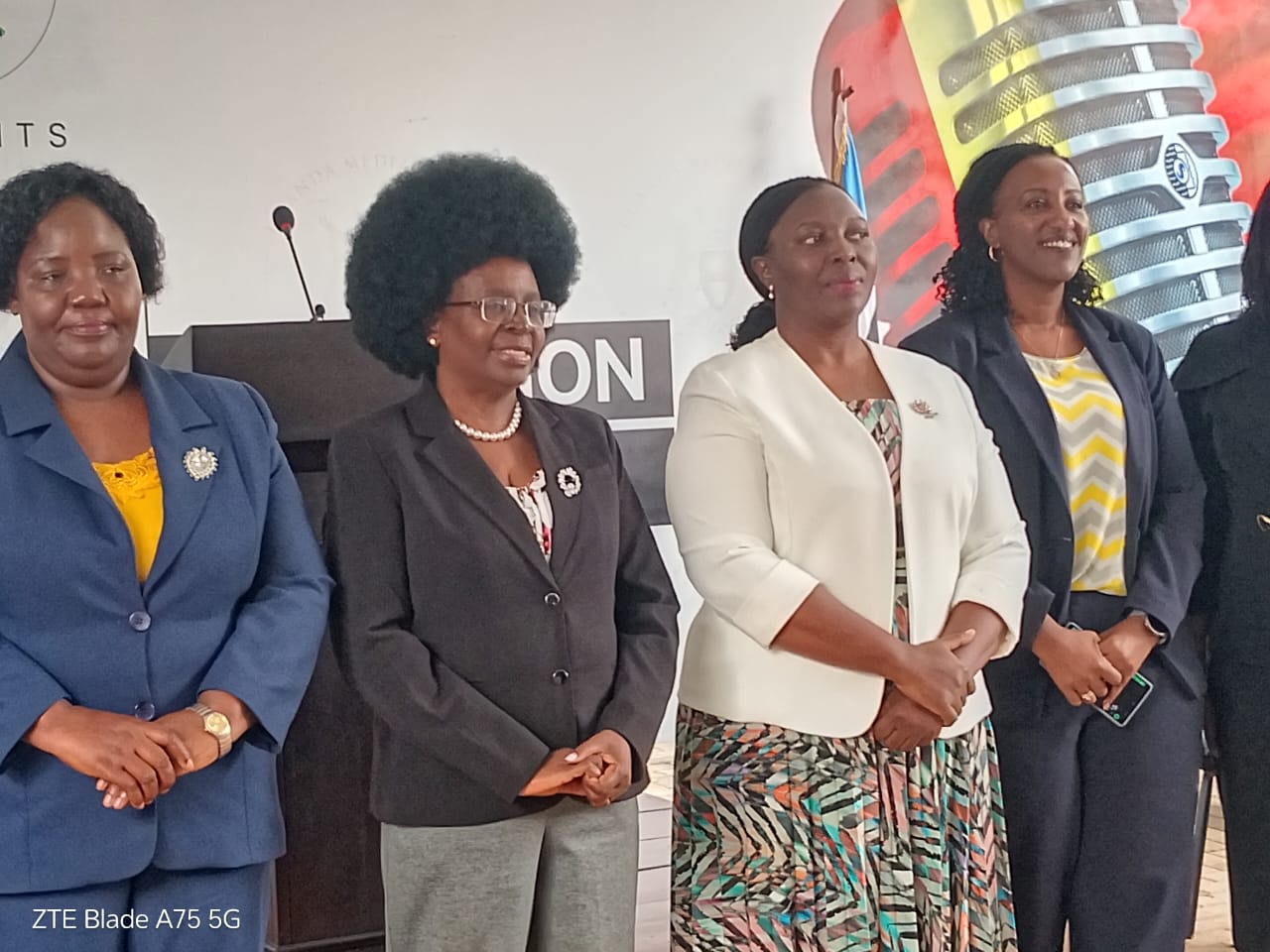
Speaking at a media briefing, the minister of Energy and Mineral Development, Dr Monica Musenero, acknowledged the inconvenience caused by the outages and appealed to the public for patience as work continues to improve the country’s electricity network.
“We acknowledge the challenges the country has gone through over the last couple of weeks. These power outages have largely been caused by the rehabilitation and upgrading of electricity infrastructure, including power stations and transformers,” Dr Musenero said.
She explained that improving the condition of electricity infrastructure would reduce power outages, strengthen the national grid and increase access to electricity across the country.
Dr Musenero said Uganda’s electricity demand has grown rapidly because of population growth, urbanisation and industrialisation, placing significant pressure on the existing power network.
“As a country, we still face challenges in electricity supply because demand has increased. More industries and more people require electricity, which has led to overloading of the system,” she said.
She also blamed vandalism of electricity infrastructure for disrupting power supply and increasing the cost of maintaining the network.
“The government spends a lot of money repairing damaged infrastructure. We appeal to Ugandans to report people who vandalise electricity equipment so that they can be brought to justice,” she said.
The minister said electricity distribution currently stands at about 62 percent of households across the country. However, she revealed that about 50,000 electricity connection requests are still pending.
“We are working hard to clear this backlog and expand access to electricity,” she said.
Dr Musenero admitted that communication with the public about planned outages had not been adequate, leading to frustration in many affected communities.
“We acknowledge that our communication was not sufficient. That is why many people became angry because they were not informed in time. We are committed to improving communication, and we ask Ugandans to continue cooperating with us,” she said.
Among the areas that have experienced frequent power outages are the Mbale sub-region, Kakumiro District, Namanve, Ntinda, Kololo, Kisasi, Kawempe, Mutundwe, Kasubi, Mbarara District and Namungoona.
Speaking at the same briefing, the executive director of the Uganda Electricity Distribution Company Limited (UEDCL), Joselynne Rwakakooko, said some parts of Kampala will continue experiencing power interruptions throughout August as upgrade works continue.
She said the areas most likely to be affected are those served by two major substations, including Namungoona, Lugala, Masanafu, Busega, Lusaze, Kibumbiro, Natete and Kigobe.
“As UEDCL, we are working hard to provide better services. We have procured 500 new transformers that will replace old and overloaded equipment. These investments will improve the reliability of electricity supply in the long term,” she said.
She appealed to the public to remain patient and cooperate with electricity engineers carrying out the upgrade works.