MORRISON RWAKAKAMBA
Uganda wants to grow its economy to $500 billion by 2040. That ambition will only be achieved if the country has enough reliable and affordable electricity to power industries, agriculture, homes, transport and digital services.
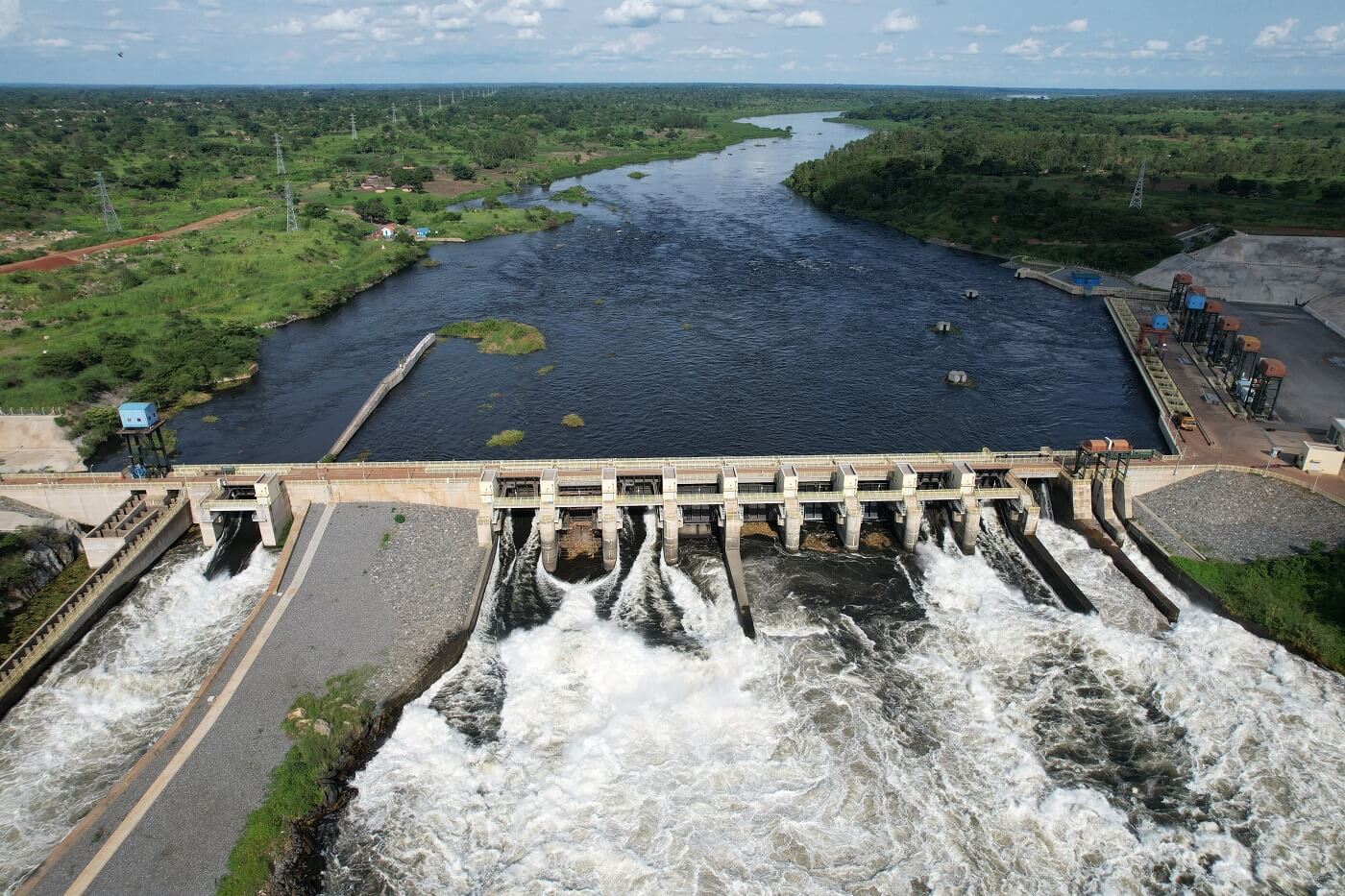
Uganda currently has more than 2,000 megawatts of installed electricity generation capacity, most of it from hydropower.
However, a $500 billion economy will require many times more electricity. Experts estimate Uganda could eventually need between 30 and 50 gigawatts of installed capacity to support large-scale industrialisation, electric transport, modern agriculture and energy-intensive industries such as data centres.
Generating more electricity is only part of the solution. The bigger challenge is ensuring that electricity reaches consumers.
Uganda’s transmission and distribution network remains outdated, resulting in frequent outages, voltage fluctuations, and limited access in many areas. In some places, power that has already been generated cannot be delivered efficiently because of network constraints.
New sources of electricity demand are also emerging rapidly.
Electric mobility is expanding across the country. Companies such as Spiro, GOGO, and Zembo have introduced thousands of electric motorcycles. Although today’s electricity demand from electric vehicles remains relatively small, the sector is growing quickly.
With government plans supporting hundreds of thousands of electric motorcycles in the coming years, charging infrastructure will require significantly more electricity. Electric cars are also becoming more common and will further increase demand.
The benefits are substantial. Electric vehicles reduce fuel costs, lower air pollution, create new jobs, and make transport more affordable.
Another major source of future demand is artificial intelligence and data centres.
Uganda is positioning itself as a destination for digital infrastructure because of its renewable energy resources.
One of the country’s largest planned investments is the proposed Synectics Technologies artificial intelligence data centre, which is expected to require about 100 megawatts of renewable electricity.
Globally, electricity demand from data centres is rising rapidly as artificial intelligence applications expand. Many modern data centres require more than 100 megawatts of continuous power, equivalent to the electricity needs of a small city.
Countries able to provide reliable, affordable, and clean electricity will be well placed to attract these investments.
Uganda has an opportunity to move beyond exporting electricity. With stronger infrastructure, it could also export digital services, cloud computing and artificial intelligence, creating skilled jobs and earning valuable foreign exchange.
The country also has access to some of the world’s lowest-cost renewable energy resources.
According to the International Renewable Energy Agency, onshore wind and solar power are now among the cheapest sources of new electricity generation globally.
Expanding solar and developing wind projects in suitable areas, alongside hydropower, would diversify Uganda’s electricity supply while helping reduce long-term costs.
Affordable electricity is essential for competitiveness.
Although Uganda has introduced lower electricity tariffs for large manufacturers, competing investment destinations such as Ethiopia, Vietnam, and parts of India often provide industries with lower or more predictable electricity prices.
Investors, especially operators of data centres, consistently look for locations offering reliable, affordable, and clean energy.
A stronger electricity network would help Uganda reduce costs, improve reliability, and attract new investment.
However, the transmission and distribution system requires significant investment.
Although Uganda has more than 2,000 megawatts of installed generation capacity, technical and commercial losses remain high.
Upgrading transmission lines, substations, and distribution networks over the next decade is expected to require several billion dollars in investment.
Financing such projects will require a combination of domestic and international resources.
The government can increase investment through the national budget, infrastructure bonds, and public-private partnerships. Pension funds and institutional investors could also support long-term infrastructure financing.
Internationally, Uganda should continue working with development partners such as the World Bank, the African Development Bank, and climate finance institutions. Blended finance, combining public and private capital, can help accelerate investment while reducing financing costs.
The need for investment is urgent.
Farmers depend on reliable infrastructure to access markets. Manufacturers need affordable electricity to remain competitive. The digital economy requires dependable power every hour of every day.
Electric transport, artificial intelligence, and modern manufacturing are no longer future possibilities. They are already reshaping the global economy.
Uganda has abundant renewable energy resources and a strategic opportunity to benefit from these changes.
What is needed now is decisive action to modernise the national electricity grid, expand transmission corridors and strengthen distribution networks.
Delays will only increase costs, discourage investors, and slow progress towards Uganda’s long-term development goals.
The opportunity is within reach. With sustained investment, sound planning, and faster implementation, Uganda can build an electricity system capable of powering a modern, competitive, and prosperous economy.
The author is a coffee farmer based in Nyeibingo village, Rukungiri. mrwakakamba@gmail.com