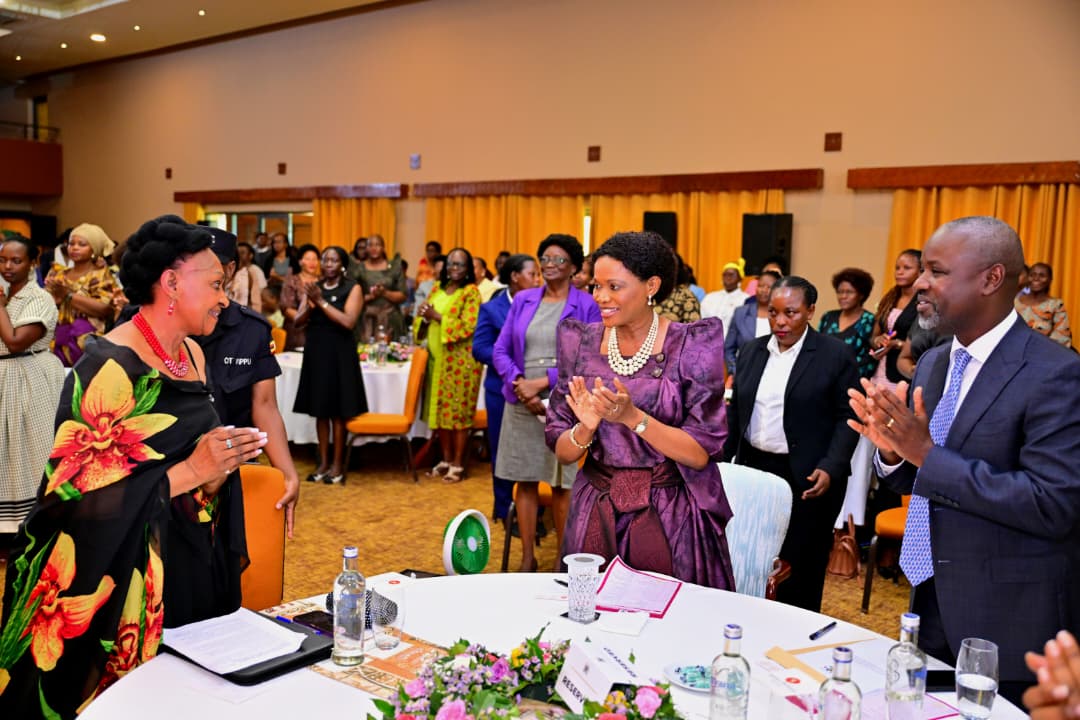
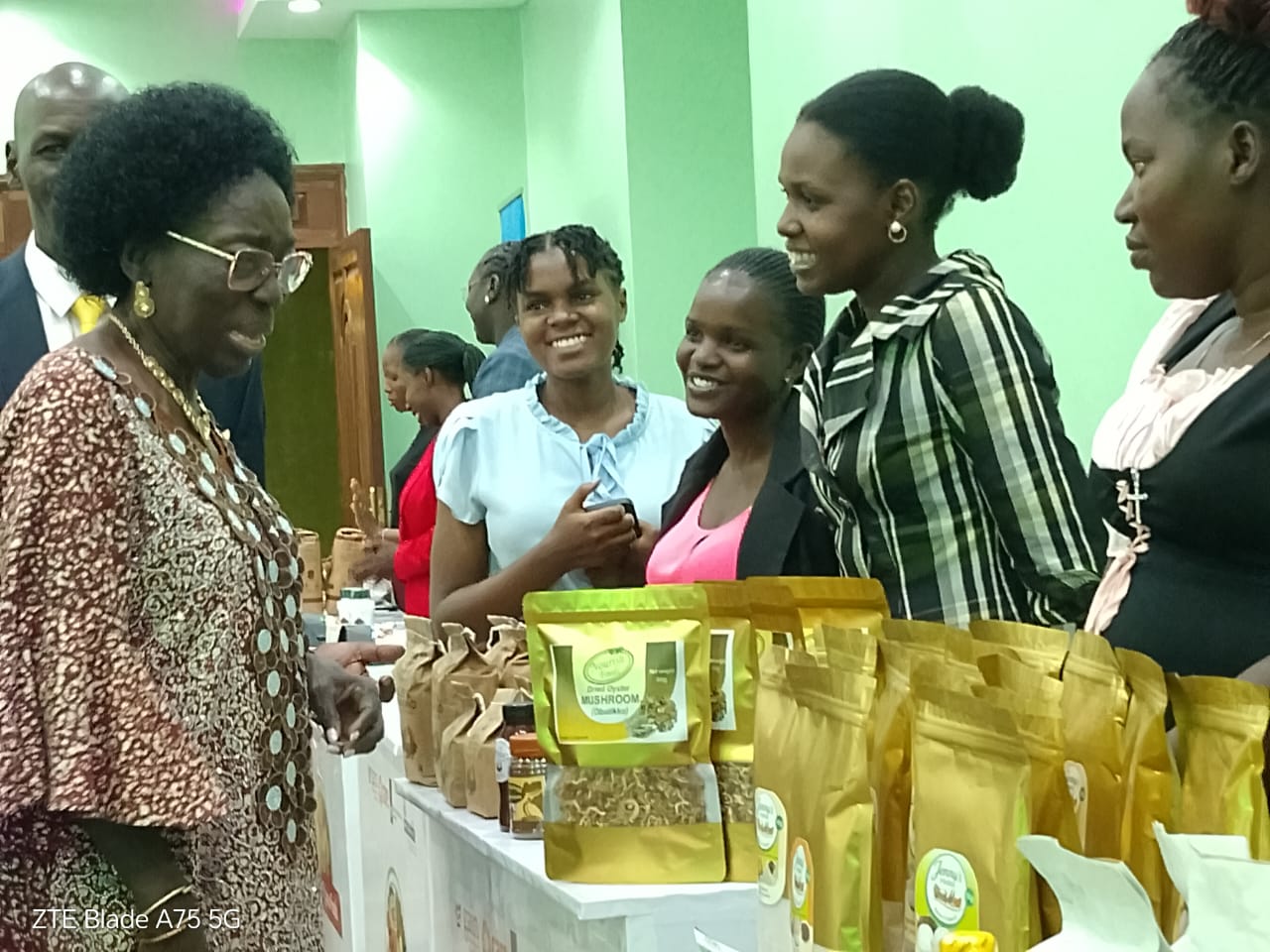
First Deputy Prime Minister and minister for East African Community Affairs Rebecca Kadaga has urged MPs to use their influence to push for the enactment of legislation aimed at improving food security and nutrition in Uganda.
Kadaga made the call during the official opening of an MPs’ orientation conference on food security and nutrition.
She said Parliament has an important role to play in addressing food insecurity and poor nutrition because MPs have the power to influence laws, policies and programmes that affect communities.
Kadaga specifically pointed to the Food and Nutrition Bill, which has been under consideration in Parliament for several years, saying MPs should work together to ensure that it is enacted into law.
“I urge you, Members of Parliament, to stand firm and push for the law to be enacted because you are many,” she said.
Kadaga also challenged MPs to take the fight for better nutrition beyond Parliament by working with local authorities to develop and enforce by-laws that can help communities improve food security and nutrition.
“I also implore you to go down to the local level and pass by-laws that can help us address food security and good nutrition,” she said.
She said poor nutrition continues to affect many households and schools, with children among those most affected.
“Many households and schools suffer a lot when it comes to better nutrition, which has led to many children growing up stunted, while others suffer from malnutrition,” Kadaga said.
Her remarks come as Uganda continues to face challenges related to access to adequate and nutritious food, particularly among children and vulnerable households.
Kadaga said addressing food security should not only be about ensuring that people have food to eat, but also ensuring that the food provides the nutrients needed for healthy growth and development.
The conference brought together MPs to discuss the importance of food security and nutrition and the role Parliament can play in improving the situation.
The minister of State for Primary Education, Phyllis Chemutai, said good nutrition is important at every stage of a person’s growth and development and should therefore receive greater attention in Uganda.
“Good nutrition is very significant at every stage of growth of a human being. It is an aspect that has got to be addressed carefully in the country, more so in schools,” Chemutai said.
Chemutai also called for improvements in school feeding programmes, particularly in the variety of food provided to children.
She noted that some school feeding programmes supported by the government and the World Food Programme provide basic meals such as posho and beans.
Uganda’s nutrition challenges are particularly important for children because poor nutrition during childhood can affect growth, learning and overall development.
The speakers at the conference therefore called for greater attention to what children eat at home and at school.