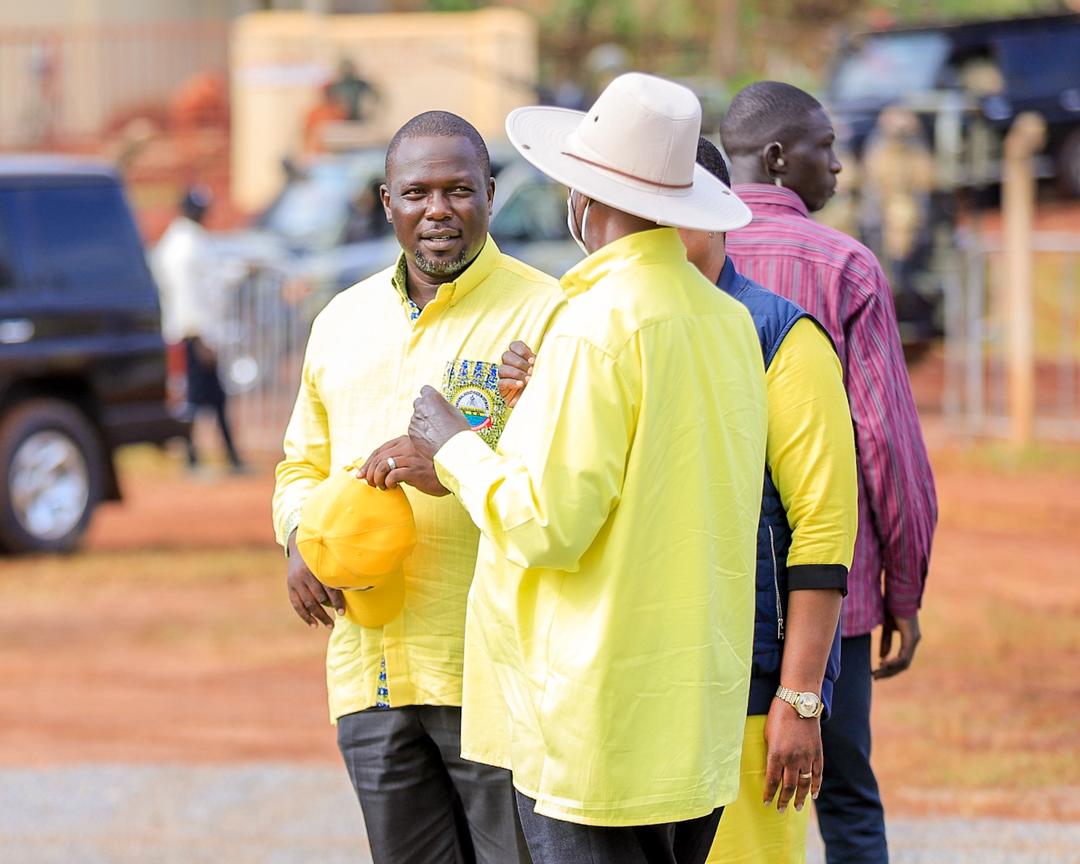
Even after President Museveni was sworn in as president for the seventh term, officials of the National Resistance Movement (NRM) say his 71% was due to an extensive grassroots mobilisation strategy and the party’s nationwide campaign structure.
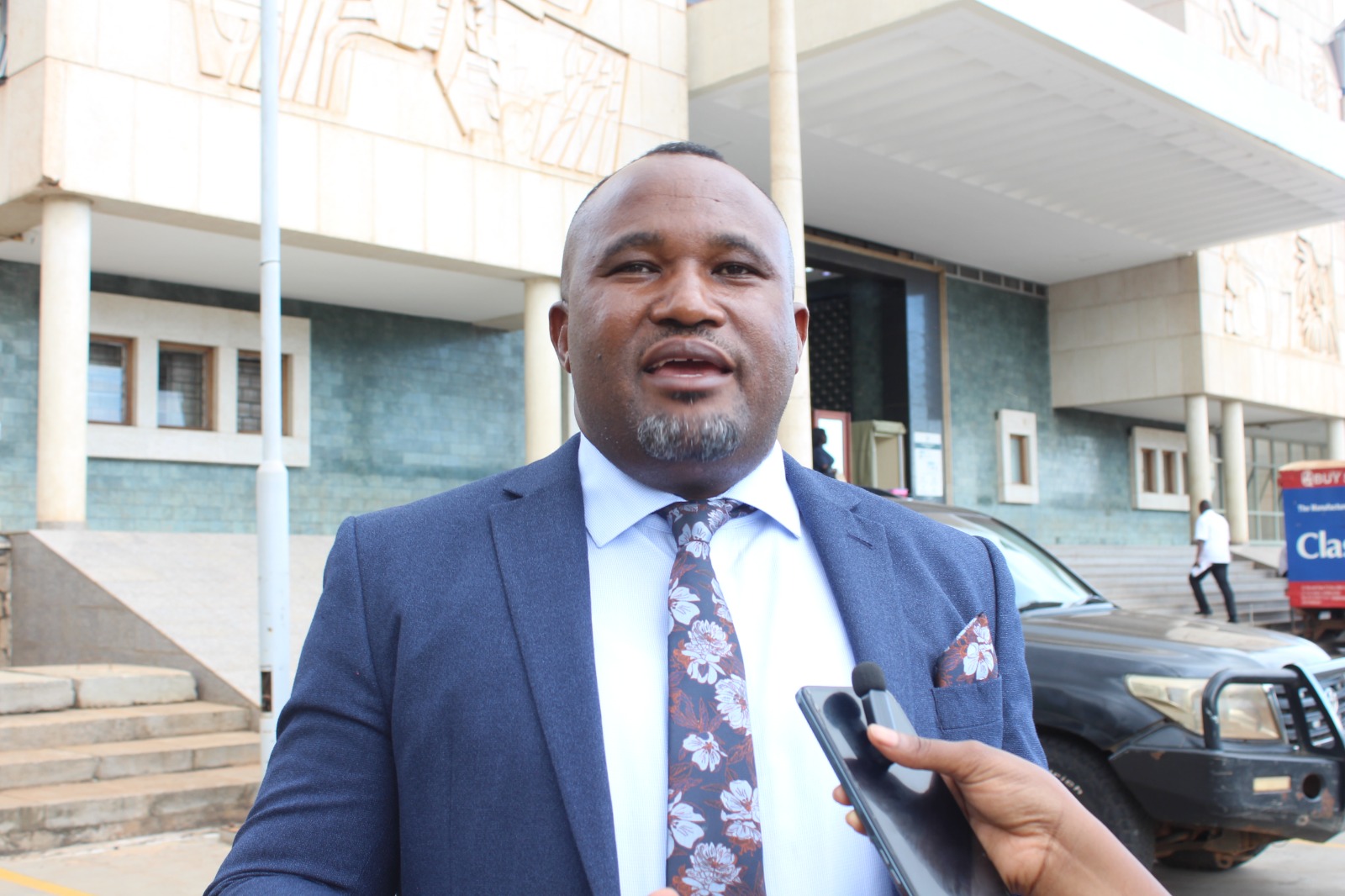
The party’s director of information and publicity, Emmanuel Dombo, said the party benefited from the return of open public rallies, unlike the 2021 election period, which was conducted under strict Covid-19 restrictions that limited large gatherings.
He said President Museveni used the campaign period to popularise the NRM manifesto and highlight the party’s achievements over the past four decades during 143 rallies and regional leaders’ meetings held under the slogan, “Protecting the gains as we make a qualitative leap into high middle-income status.”
According to Dombo, Museveni’s campaign message focused on peace and national unity, economic infrastructure development, household wealth creation, job creation, improved service delivery, access to markets, and regional integration.
The NRM also implemented what it described as a Parish-Based Grassroots Mobilisation strategy aimed at strengthening village-level political structures across the country.
Under the arrangement, village leaders were tasked with mobilising residents, attending campaign rallies, and sharing key campaign messages within their communities.
Dombo said the strategy shifted focus from centralised campaign coordination to local mobilisation structures familiar with community dynamics.
He added that the NRM secretariat, led by Secretary General Richard Todwong, coordinated mobilisation activities, communication, and deployment of campaign teams across different regions.
According to the party, emphasis was placed on strengthening grassroots structures from village to district level, with local leaders encouraged to engage communities and relay feedback to party leadership.
Dombo said the party also prioritised internal cohesion and reconciliation efforts to manage disagreements within its ranks during the campaign period.
He argued that the combination of grassroots mobilisation, coordinated messaging, and local leadership structures contributed significantly to the party’s electoral performance.