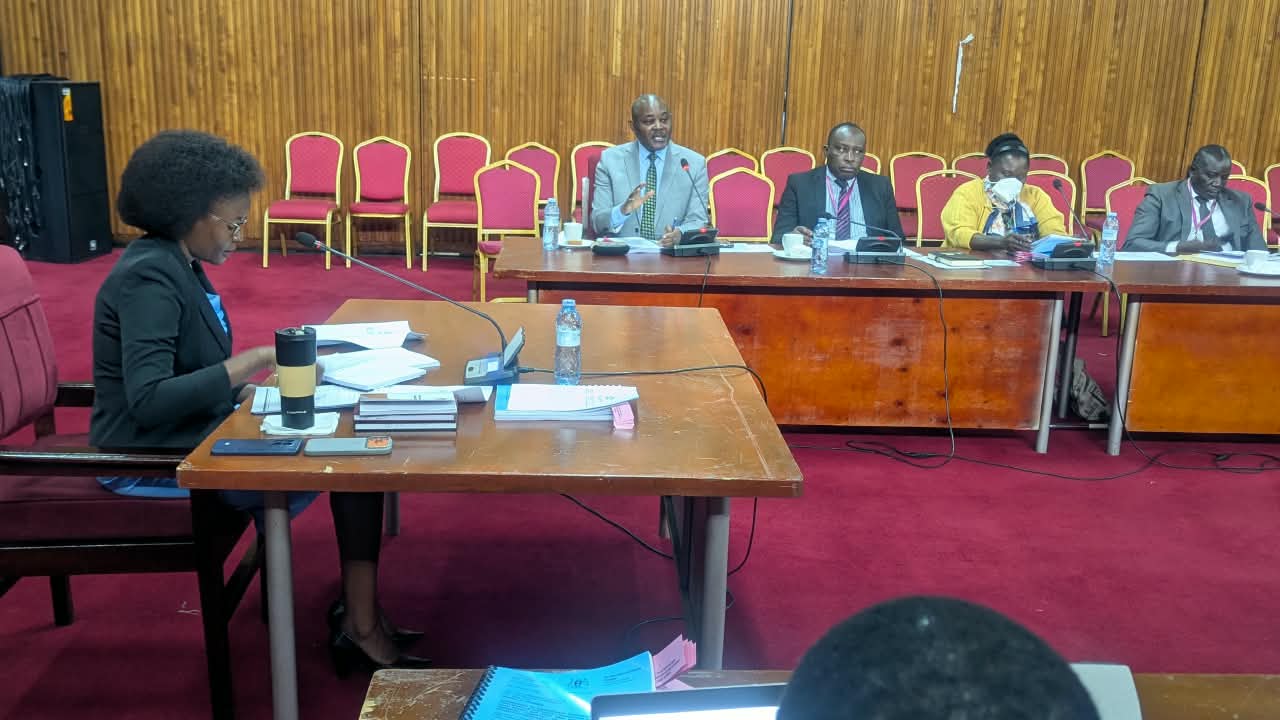
Officials from Kiruddu Hospital have told Parliament that only four of its nine intensive care unit (ICU) beds are functional, raising concerns about the hospital’s capacity to handle critically ill patients.
The officials said five other beds had broken down and were yet to be repaired, leaving the hospital with less than half of its intended ICU capacity.
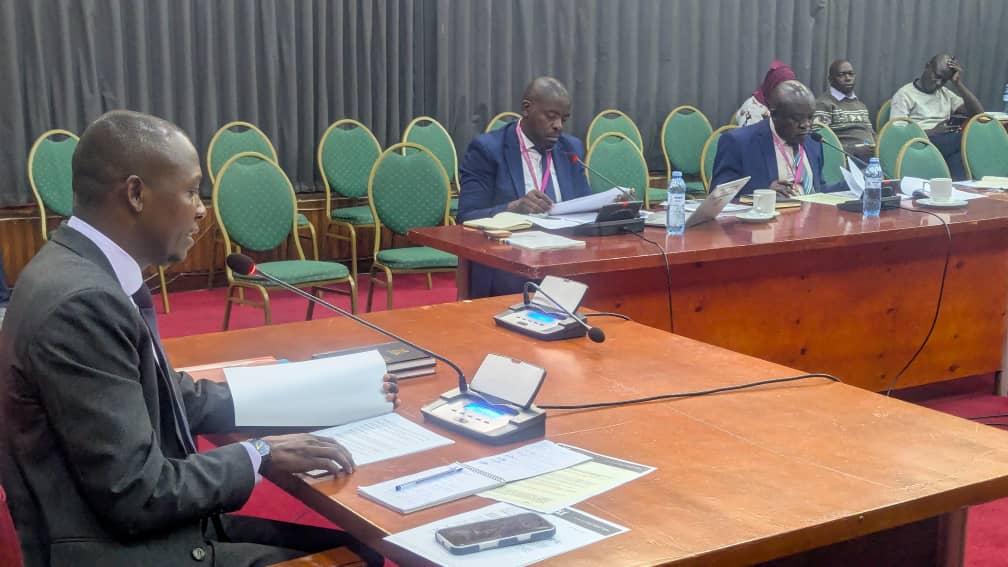
The disclosure was made when a delegation from the hospital, led by Dr Charles Kabugo, appeared before Parliament’s Public Accounts Committee (Central Government) to respond to queries raised in the Auditor General’s report.
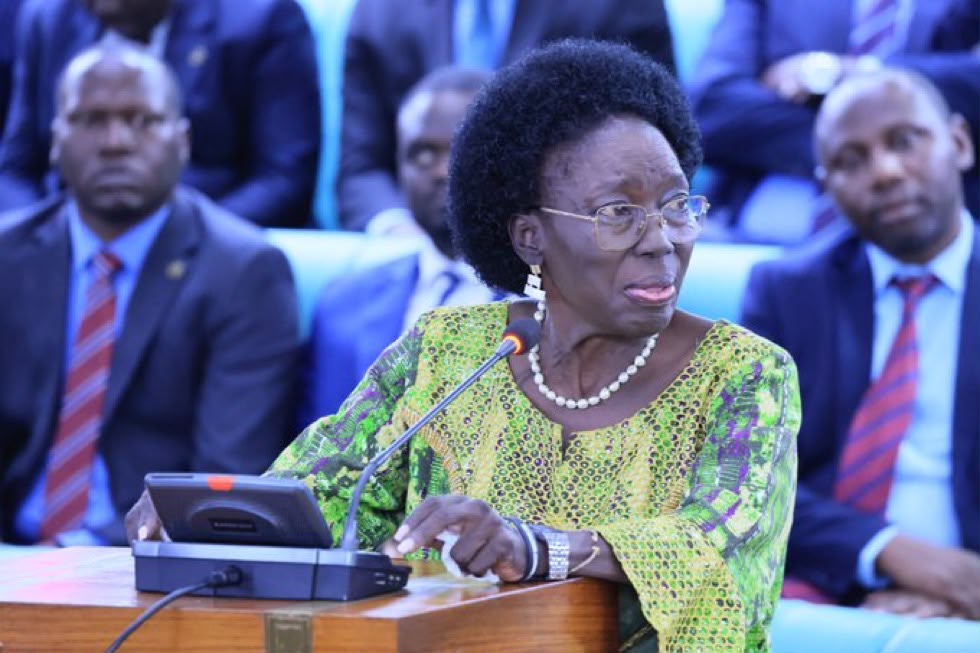
The committee is chaired by Jinja District Woman MP Sarah Walusansula.
Mbale City North Division MP Karim Masaba asked Dr Kabugo to explain the hospital’s ICU capacity and how management was coping with the limited facilities amid the demand for critical care services.
“How is your ICU capacity, and how are you handling the situation?” Masaba asked.
In response, Dr Kabugo said the hospital had space for nine ICU beds, but only four were operational because the other five had broken down.
“We have space for nine beds, but only four are functional. We have budgeted for the other five to be repaired,” Dr Kabugo told the MPs.
Dr Kabugo also told the committee that the Ministry of Health had trained two additional doctors to operate the ICU equipment. He said the doctors had completed their training and returned to the hospital, although the five non-functional beds were still awaiting repairs.
“The good news is that the Ministry has trained two doctors to operate these beds, and the two have since returned,” he said.
The hospital director also raised concern about the increasing number of patients suffering from kidney-related diseases, saying the demand for dialysis services was putting pressure on the hospital’s limited budget.
Dr Kabugo told MPs that Kiruddu conducts between 80 and 90 dialysis sessions every day, but the cost of providing the service remains high.
He said one dialysis session requires supplies costing about Shs350,000, but the hospital charges patients only Shs60,000. Some patients are unable to pay even the reduced amount, forcing the hospital to absorb the cost.
“We carry out 80 to 90 sessions of dialysis per day. The treatment is very expensive. One kit for a single session costs Shs350,000, but at Kiruddu we charge Shs60,000, and there are some patients we cannot charge,” he said.
Dr Kabugo said the hospital had written to the Ministry of Finance seeking an increase in its budget to help it meet the rising cost of treating patients with kidney disease.
He argued that kidney treatment was beyond the financial reach of many Ugandans, making government support necessary to ensure patients could access life-saving services.
“Few of us in Uganda can sustain a kidney patient,” he said, appealing for additional funding to support the hospital’s services.
The MPs also questioned the hospital over medical equipment which, according to the Auditor General’s report, had remained idle and could no longer be repaired.
The legislators wanted to know why the equipment had not been fixed and whether it could be transferred to lower-level health facilities where it might still be useful.
Dr Kabugo explained that some of the equipment was obsolete, while spare parts needed to repair it were no longer being manufactured.
He added that some machines relied on outdated technology that was no longer suitable for modern medical practice, making repairs difficult or impossible.
The hospital officials said the cost of maintaining specialised medical equipment, coupled with inadequate funding, continued to affect service delivery.