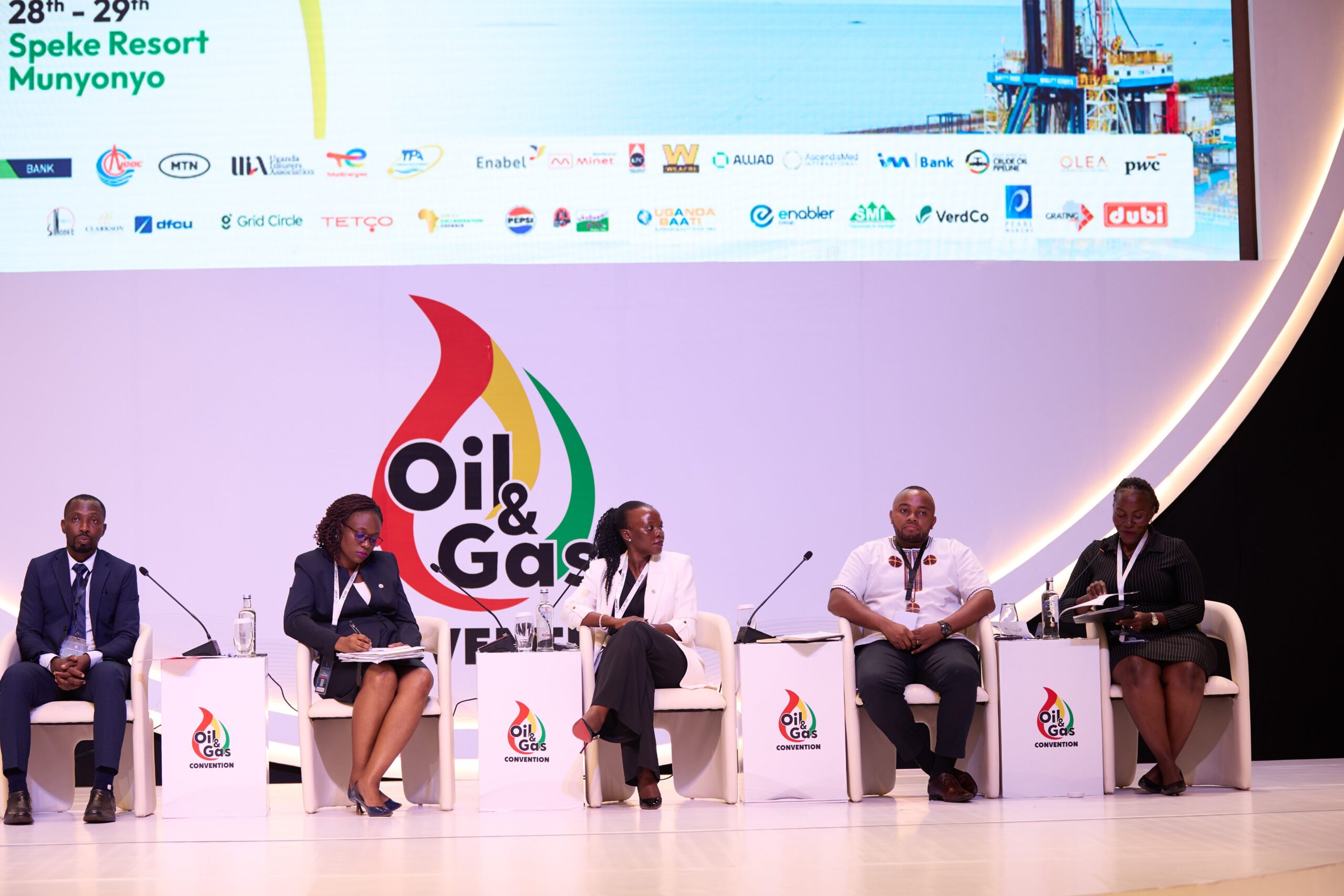
The East African Crude Oil Pipeline (EACOP) says its grievance redress mechanism is helping to build trust with host communities as Uganda moves closer to first oil.
Speaking at the Annual Oil and Gas Convention, company officials said more than 2,200 grievances have been registered and addressed, which they described as evidence of growing confidence among affected communities.
Barbara Nakayenze, EACOP’s human rights manager, said the system is designed to be accessible, with structures at the village level, district consultative committees, and local offices.
“If people trust the system, they will use it. If they don’t, they will stay silent, and silence is dangerous for any project,” Nakayenze said.
Company officials added that community feedback has already influenced project decisions, particularly in areas with cultural and spiritual significance.
Rosie Birungi, EACOP’s social performance manager for Uganda and Tanzania, said sections of the pipeline route were adjusted to avoid graveyards and respect local traditions.
“Listening is not about slowing down projects; it is about building trust and delivering better decisions,” Birungi said.
She said sustained engagement with communities and respect for cultural values have helped strengthen relationships and reduce the risk of conflict along the pipeline corridor.
The company has urged the public to use its toll-free lines and other engagement platforms to report grievances and seek information about the project.
The focus on grievance handling comes as stakeholders in the oil and gas sector call for more responsible and inclusive development.
At the same convention, Pauline Nansamba Mutumba, director of complaints, investigations, and legal services at the Uganda Human Rights Commission, warned that failure to respect human rights has contributed to the collapse of major projects across Africa.
“Business and human rights are more than charity; it is about dignity and accountability,” Mutumba said, adding that protecting community rights is critical to the sustainability of investments in the extractives sector.
Other stakeholders said Uganda’s oil and gas industry has made deliberate efforts to balance economic opportunity with social responsibility, including tighter oversight of contractors and improved transparency in handling complaints.
They said effective grievance mechanisms are both an ethical obligation and a practical tool for preventing disputes and maintaining stability.
As Uganda moves closer to commercial oil production, industry players say integrating human rights into project implementation will be key to ensuring that the benefits of oil are shared and sustained.