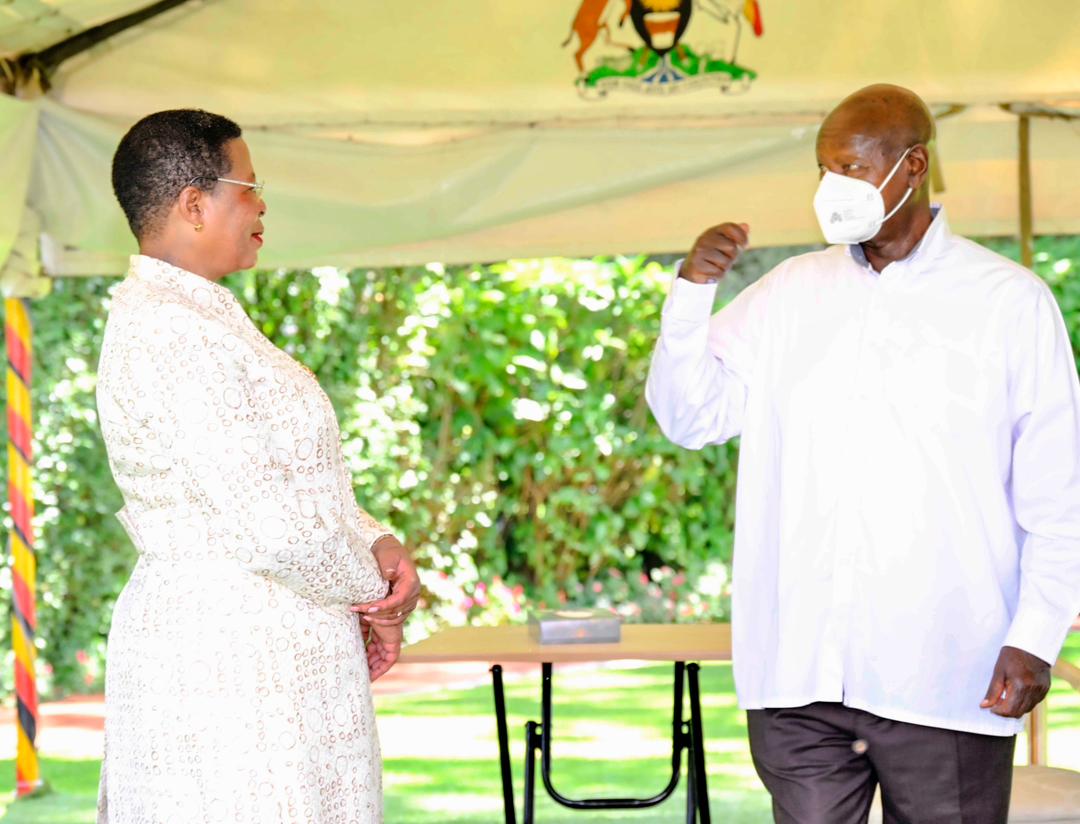
President Museveni has often found ways to cushion former speakers of Parliament after they left the country’s third most powerful office.
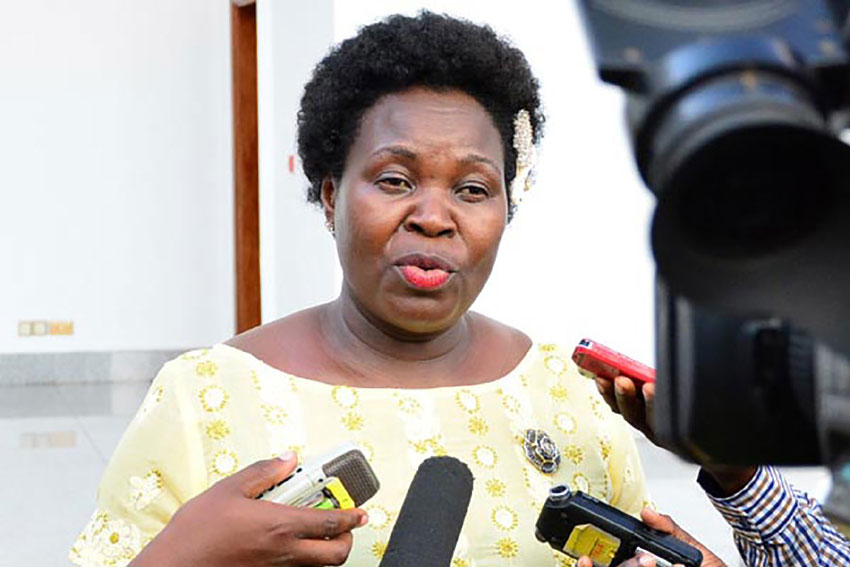
That long-standing political tradition appears to have ended yesterday after he excluded former Speaker Anita Among from his new cabinet.
The move that has fuelled speculation on social media that her fallout with the president runs deeper than many inside the ruling NRM had imagined.
When Museveni released his new cabinet list, some political observers expected Among to receive at least a ministerial posting or senior advisory role after she withdrew from the race for speaker of the 12th Parliament.
Instead, she was left out completely.
The omission marked a sharp reversal for a politician who, until only weeks ago, ranked among the most influential figures in the country. As a speaker, Among controlled Parliament’s agenda and presided over one of the government’s most powerful institutions.
She also built an extensive patronage network within both Parliament and NRM that eventually catapulted her to the position of the second national vice chairman of the NRM.
Now, Among is set to return as a backbencher for the first time since 2016, when she was first elected to Parliament as Bukedea Woman MP. It will be an interesting sight.
Yet the contrast of Among’s predicament with Museveni’s handling of previous speakers is striking.
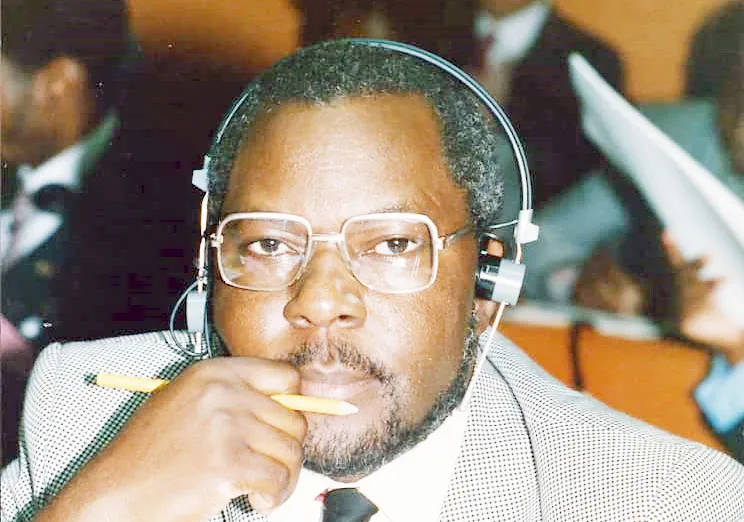
In 1998, when James Wapakhabulo stepped down before the end of his term, Museveni appointed him National Political Commissar of the Movement system, a role that, while less influential than the speakership, still kept him within the core political establishment.
After the 2001 elections, Museveni declined to support Francis Ayume, who had replaced Wapakhabulo in 1998 for another term. Instead, he backed Edward Kiwanuka Ssekandi for the position of speaker.
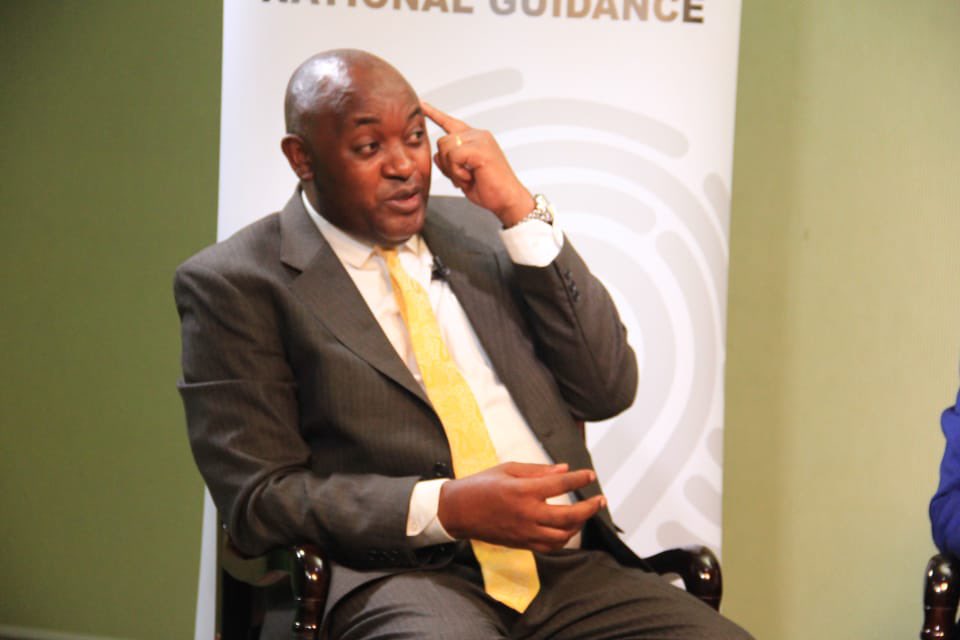
Yet he did not keep Ayume in the cold. Museveni appointed him Attorney General, a senior legal and political office he held until he died in 2004. Yesterday, the president appointed his son, Dr Charles Ayume, minister of state for Primary Healthcare.
After 2001, Wapakhabulo, who was the MP for Mbale Municipality, was later elevated to minister of Foreign Affairs, another indication that Museveni still retained confidence in him despite earlier political disagreements.
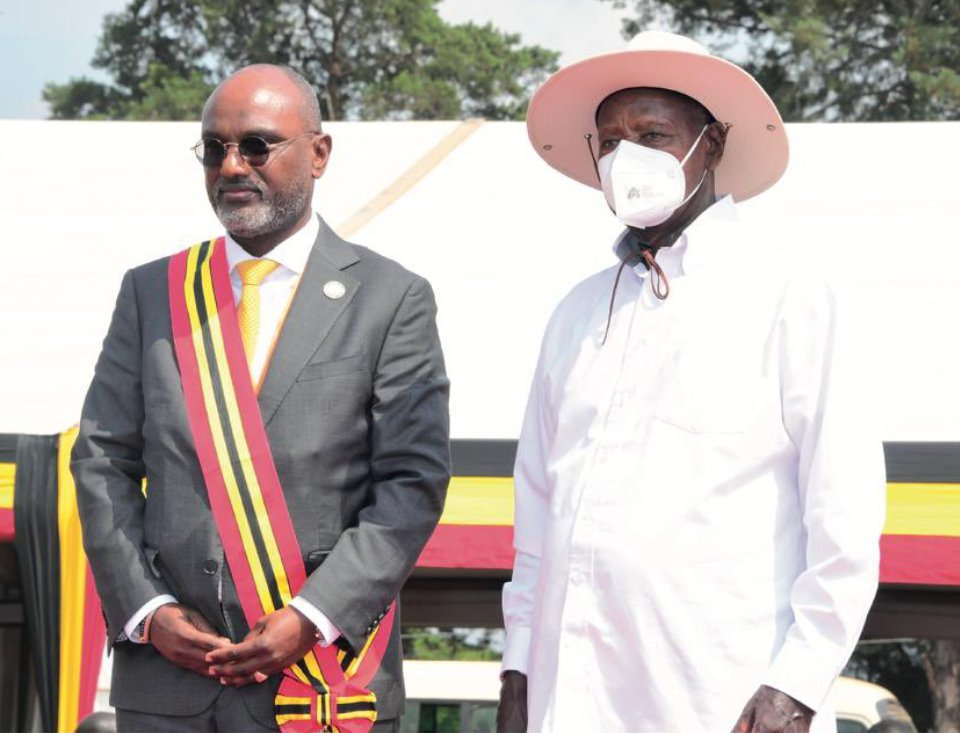
When Ssekandi left the speakership in 2011 after serving for 10 years, Museveni promoted him to Vice President, a senior but powerless position, which he occupied until 2021.
Similarly, Rebecca Kadaga was appointed Second Deputy Prime Minister and Minister for East African Community Affairs after losing the speakership race to Jacob Oulanyah in 2021.
Kadaga’s appointment was particularly notable because she had openly defied the president’s suggestion not to contest against Oulanyah. In fact, when she lost to Oulanyah, some people feared for the worst.
After 28 continuous years in cabinet, axe finally falls on Ruth Nankabirwa
Among’s case appears different.
Her political troubles escalated dramatically this month amid widening corruption and illicit enrichment investigations targeting her properties, finances, and tenure at Parliament.
Investigators from the Criminal Investigations Directorate and other security agencies have raided homes linked to her in Kampala and Bukedea while also confiscating her expensive vehicles.
Among has not been seen in public for nearly two weeks. She did not attend the NRM CEC meeting on May 22, and this week, she did not participate in the election of the new Speaker, Jacob Oboth-Oboth, and Deputy Speaker Thomas Tayebwa at Kololo Ceremonial Grounds.
Her husband, Moses Magogo, showed up at Kololo.
During her tenure as speaker, Among was an assertive and highly visible political figure, sometimes attending more than three functions in a day.
Yet her rapid accumulation of influence and power coincided with growing public scrutiny over the wealth and lifestyles of senior political leaders. Anti-corruption activists, using social media platforms like X, repeatedly accused Parliament under her leadership of wasteful expenditure and financial mismanagement.
For Museveni, the decision to leave Among outside the cabinet may also carry broader political calculations.
Historically, the president has often sought to manage rivalries by keeping former senior officials within government structures where they remain politically relevant but contained.
For instance, when Gen Kahinda Otafiire and Amama Mbabazi were not seeing eye to eye in the mid 2000s, he kept them in the cabinet.
Leaving Among entirely outside cabinet removes her from the executive centre of power at a moment when investigators continue to scrutinise her political and financial networks.
Whether her exclusion marks a temporary setback or the beginning of a more permanent political decline remains to be seen.