Cissy Nafula, 26, left Busia and moved to Zigoti in Mityana District with one aim: to find a way to support her two children.
She thought starting a business was the most likely route. Working on a coffee farm was not part of the plan.
Then a chance introduction to Zigoti Coffee Works Limited earlier this year led her to a job there.
“I came here looking for something I could do to support my children,” she says. “When I got the opportunity to work, I took it. It gives me an income and something I can depend on.”
Nafula is one of dozens of women who earn a living from coffee production and processing at the company. It is a women-led enterprise headed by Managing Director Rose Kato Nakayenga.
On a typical day, the women sort and clean coffee beans, tend the coffee gardens and mulch the fields. They also prepare harvested coffee for processing.
Operations Manager William Muyanja says the company has eight women on permanent contracts. It also engages about 20 others each day, especially in the busy period after harvest.
For many of the women, the farm has become more than a workplace.
Loyce Nakitende, another mother of two, says the job has given her room to think about the future.
“I came here hoping to start my own business, but getting work on the farm has given me another opportunity,” she says. “I can earn, save and think about what I want to do next.”
Nakayenga says that the ability to save and plan is what makes the difference.
“When you empower a woman, you empower a community,” she says. “A woman who earns an income can support her children, contribute to her household and create opportunities for others.”
Zigoti Coffee Works was founded in 1984 and processes and exports coffee from its base in Mityana.
As the women began to earn steady incomes, many looked for extra ways to make money.
Through the Women in Coffee Savings and Credit Cooperative Organisation (Sacco), they pooled their resources and started small businesses built on recycling farm waste.
One business breeds black soldier fly larvae. The larvae feed on organic waste and turn it into nutrient-rich organic fertiliser, which the women sell to farmers.
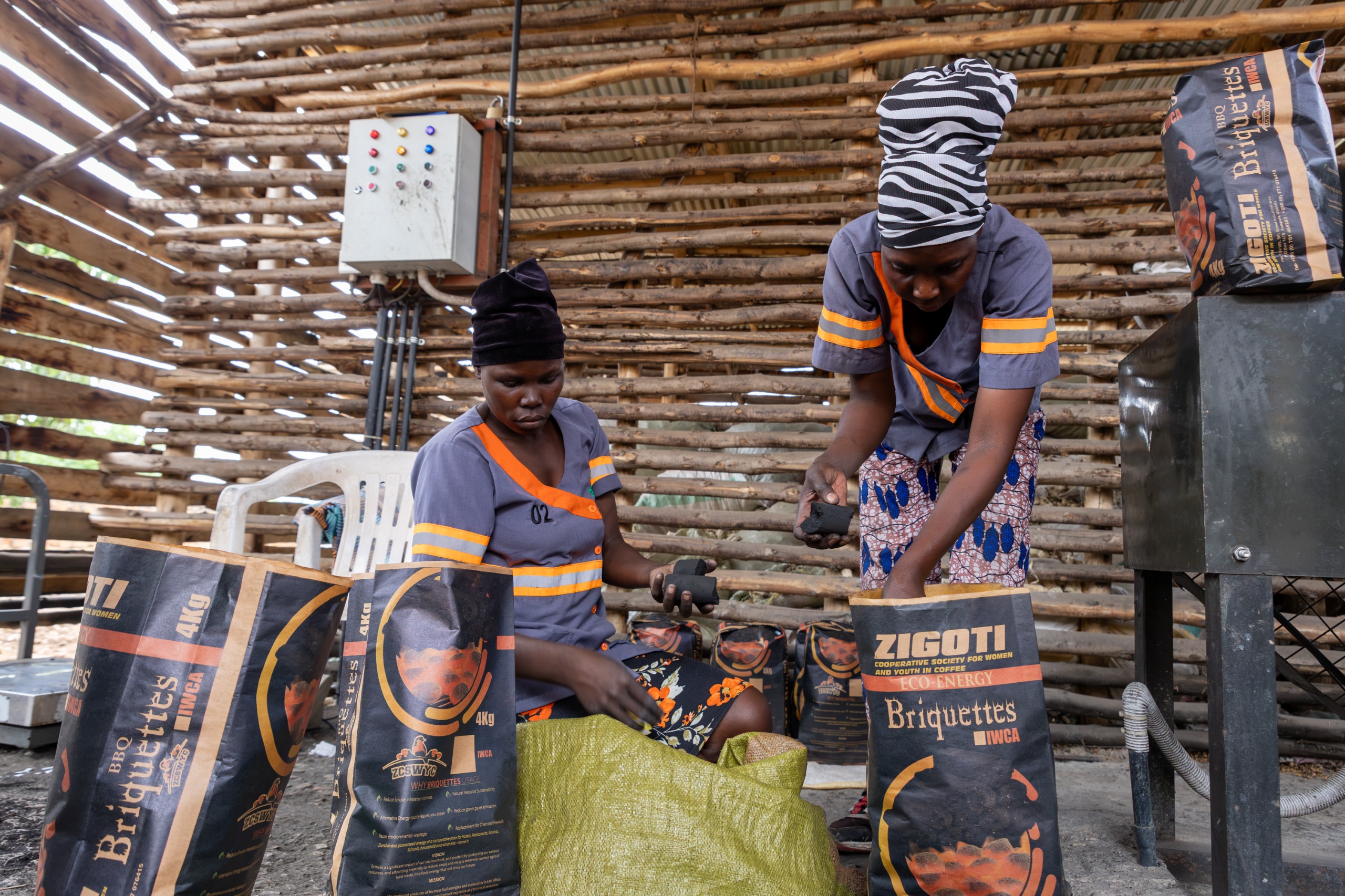
Another makes briquettes from coffee husks, maize cobs, charcoal dust, cassava flour and other local materials. Households use them as an alternative cooking fuel. A 4kg pack sells for Shs10,000.
The women say the projects show how farm waste can keep earning money long after the coffee harvest ends.
The Sacco also acts as a safety net. Members save regularly and can borrow money in emergencies or to start a small business. For women raising families on modest incomes, such credit can be hard to find elsewhere.
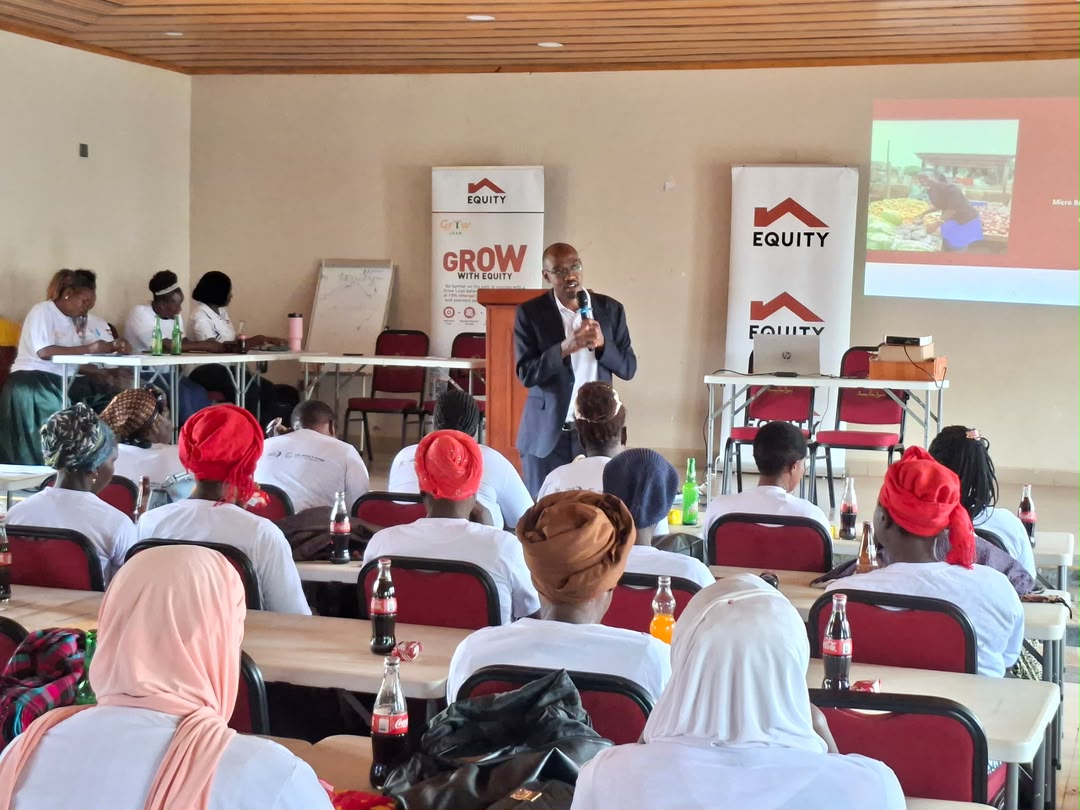
Equity Bank Uganda has supported the effort with financial literacy training. The lessons cover budgeting, saving, and investing.
For women such as Nafula and Nakitende, that knowledge is helping turn today’s wages into tomorrow’s opportunities.
The benefits are also reaching a younger generation. Some women have worked on the farm for years while raising their children. Today, some of those children, who grew up around coffee production, are joining the business.
The farm is therefore passing on farming skills, a strong work ethic and a habit of enterprise from one generation to the next.
For Nafula, who came to Zigoti looking for a way to support her children, it began with a job. For many others, it has become the base for something bigger: a future built on work, savings and enterprise.