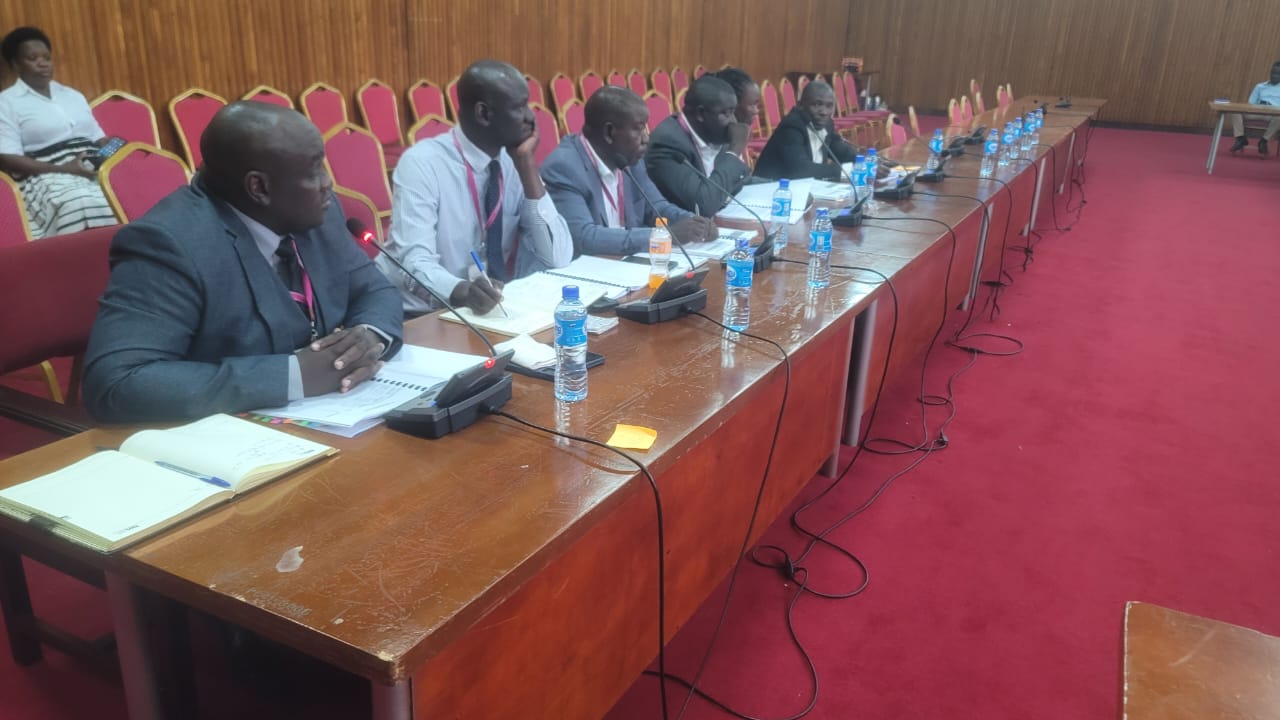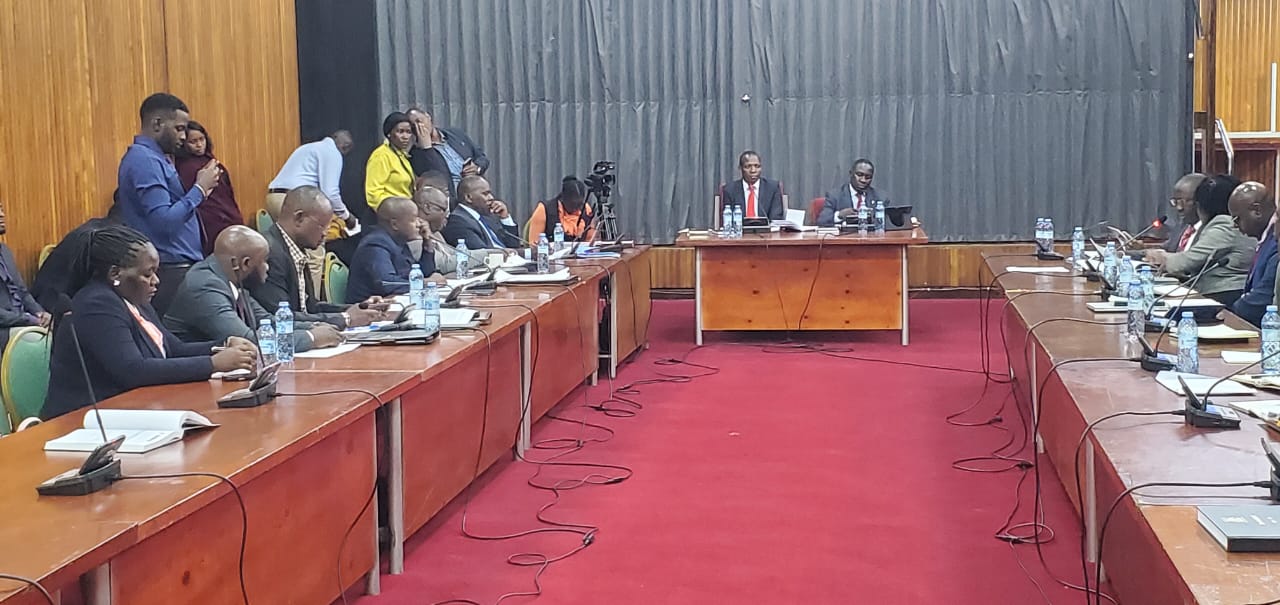
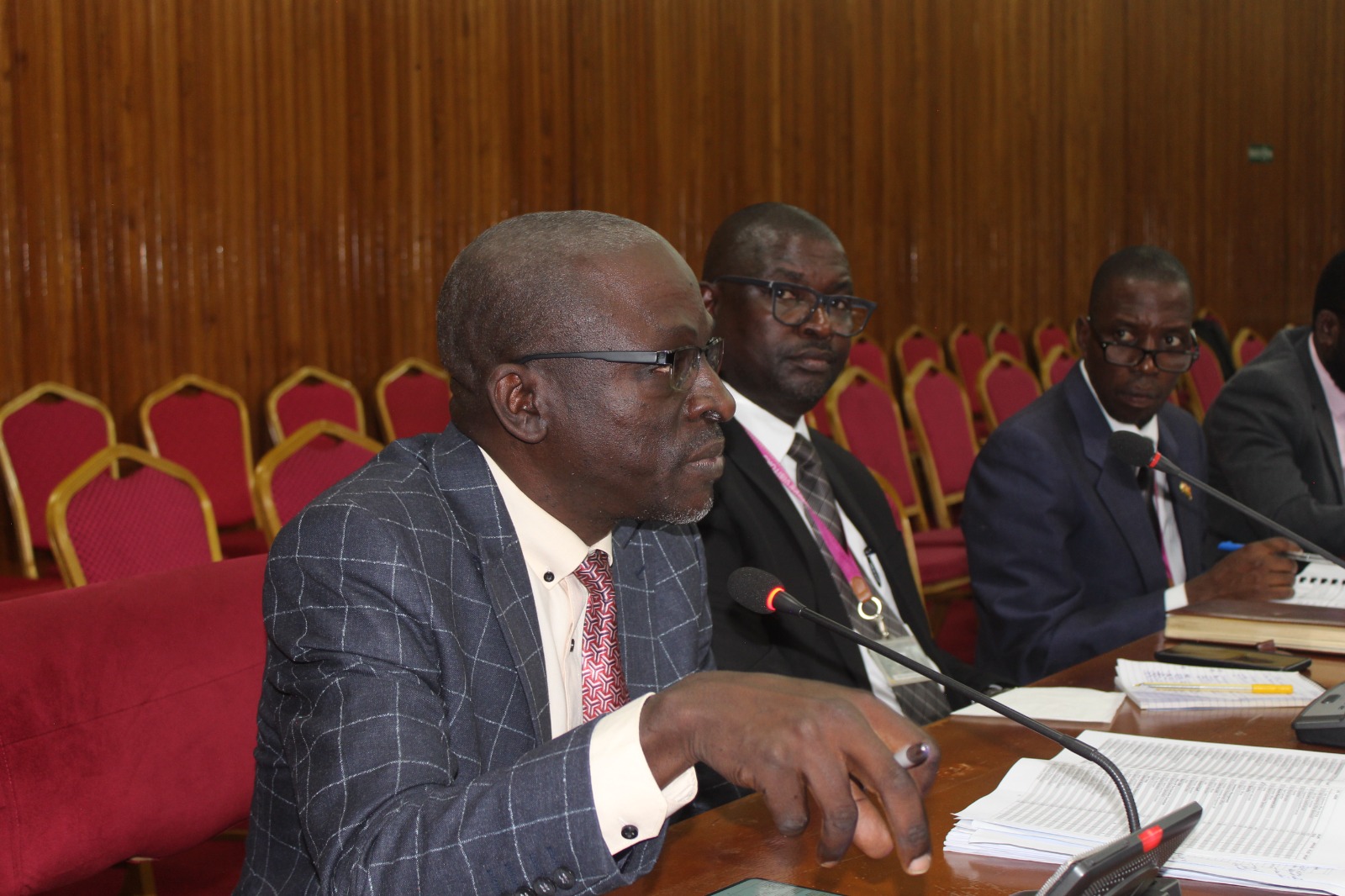
Gulu Regional Referral Hospital officials struggled to convince MPs how the facility managed to meet its performance targets despite operating with only about 30% of its approved staff establishment.
The officials appeared before Parliament’s Public Accounts Committee (PAC) to respond to queries raised by the Auditor General for the financial year ended December 2025.
The committee, chaired by Mbale City Industrial Division MP Karim Masaba, questioned how the hospital could deliver specialised health services when hundreds of approved positions remained vacant.
Gulu Regional Referral Hospital has 1,273 approved staff positions, but only 376 were filled, leaving 897 positions vacant.
Hospital director Dr Peter Mukobi told the committee that the shortage of human resources remained one of the hospital’s biggest challenges.
He said the shortage was particularly serious in specialised departments, where the hospital needs senior medical specialists to provide services to patients from Gulu and the wider Acholi sub-region.
One of the departments affected is dental and maxillofacial services. Of the 31 approved positions, only 13 had been filled, leaving 18 vacant.
Among the vacant positions were those of a nursing officer, assistant nursing officer, dental technologist, associate consultant in maxillofacial surgery, consultant maxillofacial surgeon and senior consultant maxillofacial surgeon.
The shortage was even more pronounced in emergency medicine.
Only six of the 57 approved positions in the department had been filled, leaving 51 vacant.
The vacant positions included 15 emergency care assistants, 17 assistant nursing officers and nine emergency nursing officers.
There were also vacant positions for six medical officers, a principal nursing officer, a nursing officer in emergency medicine, an associate consultant in emergency medicine and a senior consultant in emergency medicine.
The hospital’s call and dispatch centre was also operating with a serious staffing gap.
Only one of the 31 approved positions had been filled, leaving 30 vacant.
The unfilled positions included 11 drivers, six call agents and four information and communications technology technicians.
Other vacant positions included a regional emergency medical services officer or principal medical officer, senior medical officer, two medical officers, an IT officer and a call centre attendant supervisor.
The surgery department was facing a similar problem.
Of the 67 approved positions, only 16 had been filled, leaving 51 vacant.
The vacant positions included assistant nursing officers and senior nursing officers, as well as specialist positions in urology, general surgery, cardiothoracic surgery, surgical oncology, paediatric surgery, neurosurgery and gastroenterology.
The committee was further told that seven associate consultant positions in oncology, urology, neurology, paediatric surgery, cardiothoracic surgery and gastroenterology had not been filled.
Four medical officer positions in the surgical services were also vacant.
MPs said the shortage raised questions about how the hospital could achieve its stated performance targets while operating without specialists in several critical areas.
Bunyaruguru County MP Benjamin Cadet told the hospital officials that they needed to give Parliament a clear account of the situation if they expected MPs to support additional funding for the hospital.
He questioned the explanation given by the officials, saying Parliament needed accurate information to make decisions on resource allocation.
Wakiso Woman MP Betty Ethel Naluyima asked the hospital management to explain its recruitment plans.
Naluyima said she was particularly interested in how the hospital intended to maintain continuity of services to patients despite the large number of vacant positions.
Committee chairman Karim Masaba also asked the officials about the pathology department.
The hospital officials acknowledged that pathology was among the departments facing a shortage of specialised staff, particularly at consultant level.
The staffing crisis was only one of several issues that came under scrutiny.
MPs also questioned the hospital over rising domestic arrears.
Godfrey Mudimi and Tororo South County MP Frederick Angura asked the hospital accountant to explain the increase in outstanding obligations and how they had affected the institution’s financial management.
The accountant acknowledged that some mistakes had been made in the preparation and recording of financial information.
The committee also raised concerns about inadequate training for users of medical equipment and insufficient budgets for equipment maintenance.
MPs further questioned the hospital over ambulances that do not meet the required technical specifications and delays by National Medical Stores in delivering emergency medical supplies.
Other audit issues included unimplemented procurements, delays in removing staff from the payroll, outstanding payables, valuation of hospital assets, absorption of wage, pension and gratuity funds, and the alleged mischarge or diversion of expenditure.
The hospital was also questioned over the continued use of manual cash collection and other financial management practices.
The staffing issue came against a wider concern over the hospital’s ability to provide specialised services to a large population while operating with a significant human resource gap.
Parliament has previously raised concerns about staffing shortages at regional referral hospitals, with lawmakers noting that some facilities operate with staffing levels below 30 per cent of their approved establishments.
The Gulu officials’ appearance before the committee followed other concerns raised by MPs over the hospital’s financial and administrative management.
On the same appearance, the committee questioned the hospital over its continued use of a manual payroll system. Parliament reported that the Auditor General had found that the hospital paid Shs133 million over three months to 22 staff members who had retired, transferred, absconded from duty or died.
The committee said such weaknesses needed to be addressed if public resources allocated to the hospital were to translate into better services for patients.