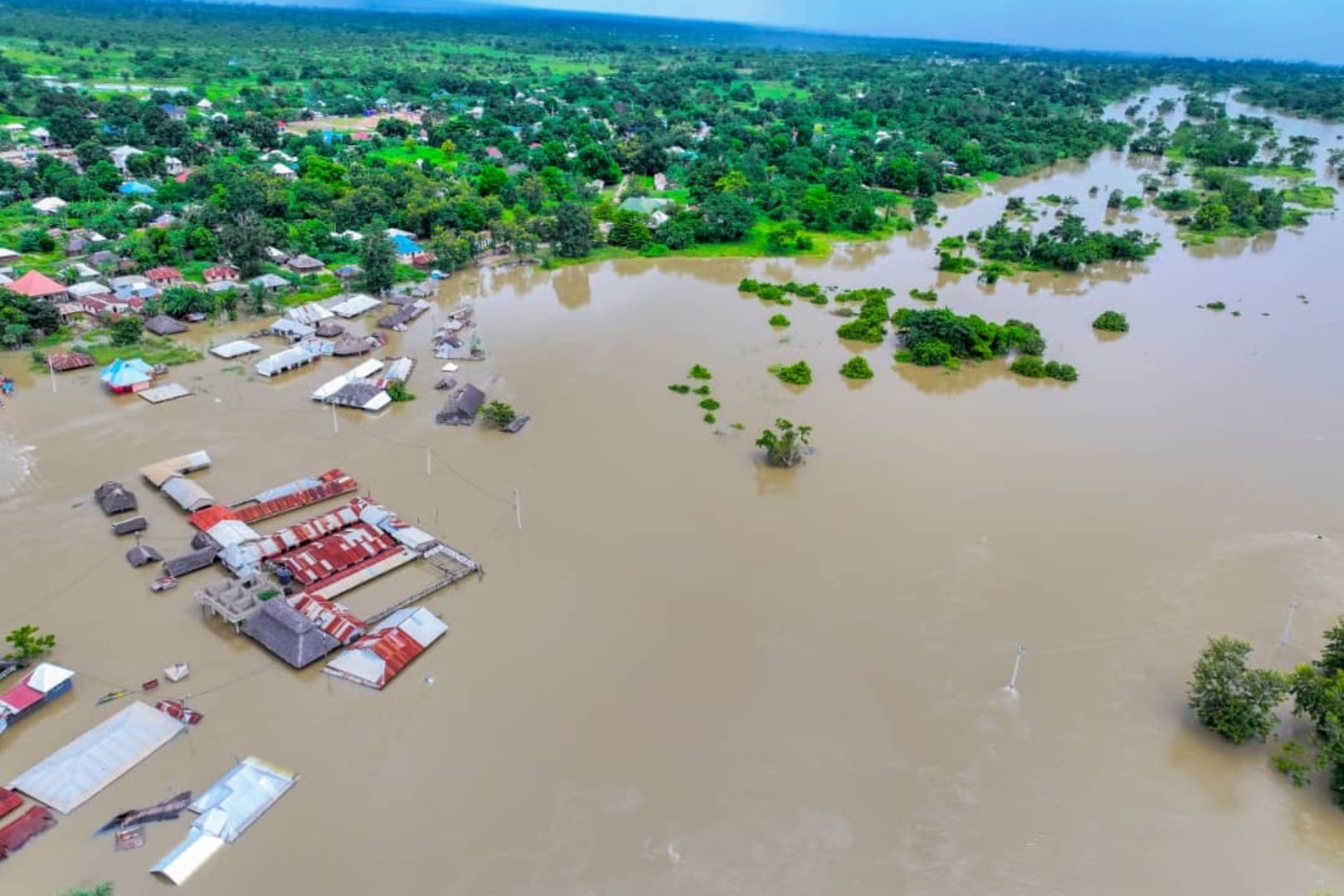
Climate scientists have warned that the strengthening El Niño weather phenomenon could bring heavy rainfall and flooding to parts of East Africa during the October to December season, although the impact will vary from one area to another.
The warning comes as the Intergovernmental Authority on Development’s Climate Prediction and Applications Centre (ICPAC) forecasts wetter-than-normal conditions across much of the Greater Horn of Africa in the final three months of 2026.
Hussen Seid Endris, head of the climate diagnostic and prediction unit at ICPAC, said the effects of El Niño would depend heavily on local geography and conditions in the Indian Ocean.
El Niño is a climate pattern linked to unusually warm sea surface temperatures in the tropical Pacific Ocean. It can change rainfall and temperature patterns in different parts of the world.
For East Africa, the October to December rainfall season is particularly important. It provides up to 70% of annual rainfall in some parts of Ethiopia, Kenya and Somalia, and up to 40% in parts of Uganda, Tanzania, Rwanda and Burundi.
ICPAC’s latest forecast shows a 90 per cent chance of enhanced rainfall over southern Ethiopia, central and southern Somalia and north-eastern Kenya.
It also forecasts a high likelihood of more than 400mm of seasonal rainfall in parts of central and southern Somalia, central Kenya, the Lake Victoria basin, Burundi, western Rwanda and western Tanzania.
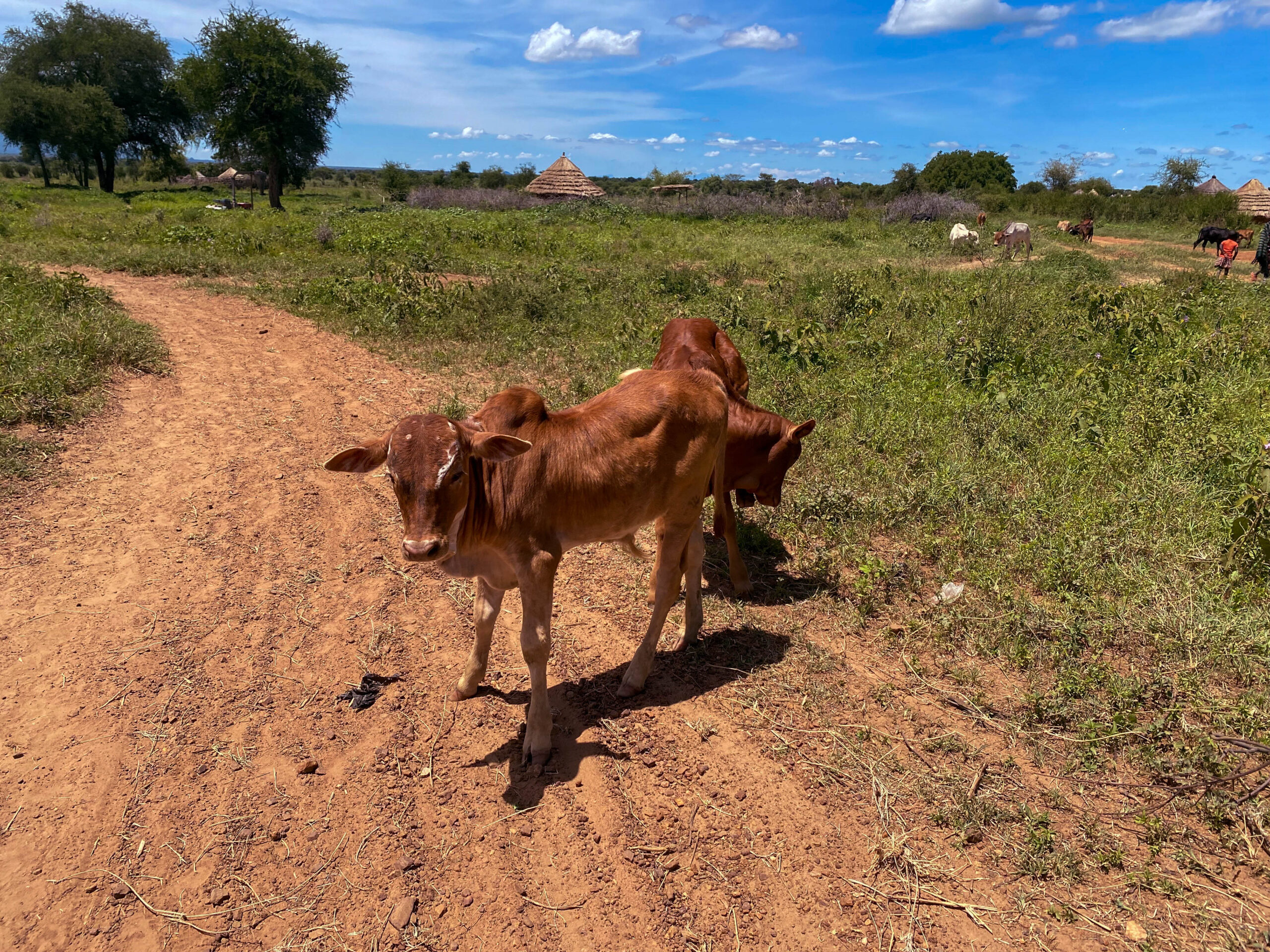
Seid said the increased rainfall could benefit farmers and livestock keepers by improving crop production, pasture and water supplies.
However, he warned that excessive rainfall, particularly when it falls in short and intense episodes, could cause serious damage.
“Excessive rainfall can cause flooding, waterlogging, soil erosion, crop damage and losses of livestock and agricultural infrastructure,” he said.
The World Meteorological Organisation has also warned that the developing El Niño is expected to become very strong towards the end of 2026.
In its latest update, WMO said there is a near 100 per cent likelihood that El Niño will continue through February 2027. It also cautioned that a stronger El Niño does not automatically mean the same level of impact everywhere because local climate conditions determine how the phenomenon affects individual regions.
The regional outlook is also being influenced by the Indian Ocean Dipole, another climate pattern that affects rainfall in East Africa. ICPAC expects a positive Indian Ocean Dipole to develop alongside the strengthening El Niño, conditions that can contribute to increased rainfall in the region.
Governments across East Africa have started preparing for possible floods and other weather-related emergencies.
In Kenya, authorities have strengthened preparedness and emergency coordination as the country faces the possibility of heavy rainfall during the October to December season.
Tanzania has also warned communities to prepare for heavy rainfall. Ladislaus Chang’a, director general of the Tanzania Meteorological Authority, said heavy rains could begin as early as September and continue through the October to December season.
“We are issuing two warnings. The first is related to the presence of a strong El Niño heading toward October, November and December. Periods of heavy rainfall could begin as early as September,” Chang’a told local media in August.
In Uganda, Alfred Okot Okidi, permanent secretary in the Ministry of Water and Environment, has urged people living in low-lying and flood-prone areas to take precautions.
He said El Niño conditions were expected to become strongest in Uganda around late October and early November.
“Communities in low-lying and flood-prone areas should relocate to safe areas,” Okidi said.
He also encouraged communities to plant trees to help slow water run-off and advised people in areas at risk of lightning to install lightning arrestors.
Rwanda is also preparing for the possible effects of heavy rainfall, particularly flooding and landslides.
Fidele Bingwa, permanent secretary in Rwanda’s Ministry of Environment, said extreme weather could quickly develop into humanitarian and economic crises.
“For Rwanda, this means preparing for the potential impacts of heavy rainfall, including floods and landslides, and the effects these may have on communities, agriculture and infrastructure,” Bingwa told The New Times.
The WMO has identified the Greater Horn of Africa as one of the regions where El Niño could have significant consequences.
The organisation said the increased rainfall could improve pasture and water availability for livestock. But if the rains become excessive, they could also cause deaths, destroy crops, damage infrastructure and increase the risk of water- and vector-borne diseases.
Climate experts are therefore calling for early action instead of waiting for disasters to occur.
Seid said technology, including artificial intelligence, could help governments and communities receive earlier and more useful weather warnings.
He said AI could combine information from satellites, weather stations, forecasting models and other sources to produce faster and more targeted warnings.
“This is particularly valuable for Africa, where observation networks and computational resources remain limited,” Seid said.
The latest forecasts do not mean that every part of East Africa will experience floods. Instead, scientists say the risk will depend on the amount, timing and intensity of rainfall in individual locations.
ICPAC has advised governments, farmers, disaster management agencies and other sectors to use the regional forecast together with weekly and monthly updates because rainfall patterns can change during the season.
With El Niño expected to strengthen further and continue into early 2027, authorities across the region are being urged to strengthen early-warning systems, protect critical infrastructure and ensure that communities in flood-prone areas are prepared before the heaviest rains arrive.