The Uganda Performing Rights Society (UPRS) has acknowledged that many musicians are still earning less than expected from royalties, despite the organisation distributing Shs 216 million to music rights holders.
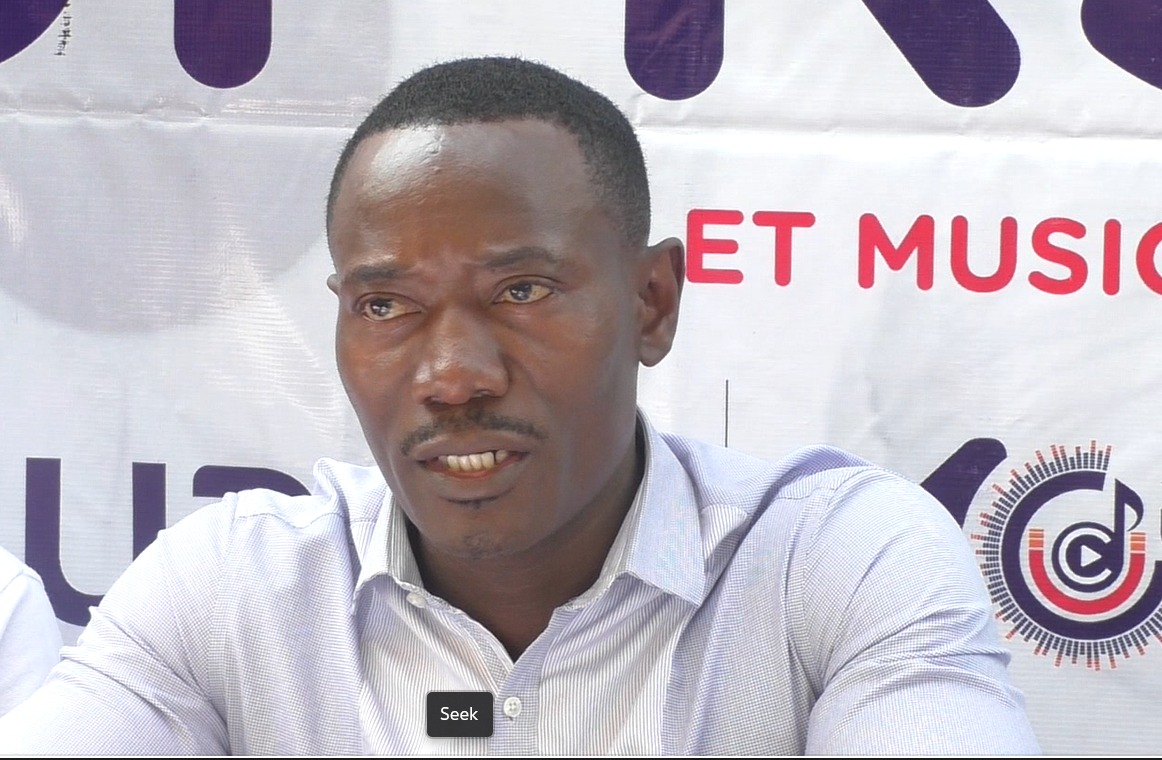
Speaking during a media briefing in Kampala on Wednesday, UPRS board chairman Martin Nkoyoyo aka Yoyo said the latest payout shows progress in the management of music rights.
However, he admitted that many artists continue to receive royalty payments that do not match the commercial value of their music.
“We recognise that many members continue to have high expectations regarding royalty earnings and that the amounts received by some rights holders may not yet reflect the true value of their creative works,” Nkoyoyo said.
The Shs 216 million distributed by UPRS was collected through licensing fees paid by users of copyrighted music. These include radio and television stations, event organisers, entertainment venues, hotels, bars and other businesses that use music for commercial purposes.
The admission comes at a time when concerns about royalty payments remain widespread in Uganda’s music industry.
For years, many musicians have questioned whether existing collection systems are effective enough to ensure that artists are fairly compensated for the use of their work.
Artists argue that Ugandan music enjoys extensive airplay on radio and television stations and is increasingly consumed through digital platforms.
Despite this growth in audiences, many musicians say royalty payments remain low and often fail to reflect the popularity of their songs.
Nkoyoyo said one of the major challenges affecting royalty distribution is the lack of complete and accurate information about how music is used across different platforms and venues.
“Fair distribution is only possible when the Society has reliable information on where, when and how music is used,” he said.
He explained that UPRS is investing in improved monitoring systems and reporting tools to help track music usage more accurately. The organisation believes better data will make it easier to calculate and distribute royalties fairly among rights holders.
According to Nkoyoyo, UPRS is also working to expand licensing coverage and improve compliance among businesses and organisations that use copyrighted music without obtaining the required licences.
He said many establishments continue to use music commercially without paying licence fees, reducing the amount of money available for distribution to musicians and other rights holders.
Broader compliance, he added, would increase collections and ultimately lead to higher royalty earnings for creators.
Nkoyoyo said the latest payout should be viewed as part of wider reforms aimed at strengthening Uganda’s collective management system and improving trust among artists.
“Every collection made by the Society is held in trust and distributed according to established policies and international collective management standards,” he said.
He stressed that transparency and accountability remain central to UPRS operations. The organisation, he said, is working to ensure that future distributions more closely reflect actual music consumption across the country.
Despite ongoing challenges, UPRS officials described the Shs216 million distribution as an important step towards building a sustainable royalty system for Uganda’s creative industry.
However, the organisation acknowledged that overall collections remain lower than expected. This continues to limit the amount of money available for distribution, even as demand for Ugandan music grows both locally and internationally.
Industry observers say the gap between rising music consumption and relatively low royalty earnings has become one of the most contentious issues in the sector. Many artists are increasingly demanding greater transparency on how royalties are collected, calculated and distributed.
UPRS says addressing those concerns will require stronger enforcement of copyright laws, wider compliance with licensing requirements and more sophisticated systems for monitoring music usage.
Nkoyoyo expressed confidence that the reforms currently being implemented would improve collections and increase royalty payments in the future.
“We remain confident that the measures being implemented today will result in stronger collections, improved monitoring and more meaningful royalty returns in the years ahead,” he said.
UPRS appealed to its members to remain patient as the reforms take effect, saying its long-term goal is to build a transparent and efficient royalty management system that fairly compensates creators for the commercial use of their work.