The Uganda National Bureau of Standards (UNBS) has urged the media to commit to balanced and accurate reporting on standards and metrology, saying misinformation is fuelling public misunderstanding and non-compliance.
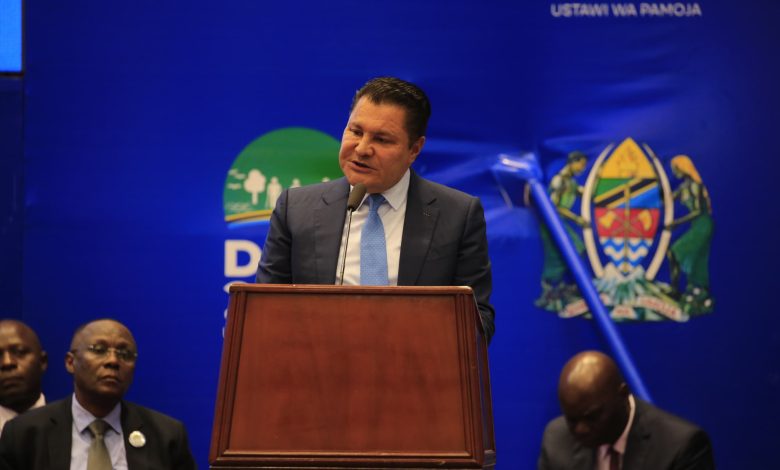
Speaking at the launch of the Standards and Metrology Media Initiative at the Golden Tulip Hotel in Kampala, the body’s deputy executive director, Patricia Bageine Ejalu, called on editors and reporters to rely on technical experts within the agency when covering complex regulatory issues.
“We work together as government entities, but there are many ongoing misconceptions that UNBS is supposed to solve everything. The media needs to report accurately on our roles,” she said.
She clarified that vehicle inspections are primarily the responsibility of the Ministry of Works and Transport, although UNBS collaborates with the ministry in joint operations to verify and maintain standards.
Ejalu expressed concern that some vehicles remain on the roads despite failing compliance assessments. She warned transporters and vehicle owners against overloading and poor maintenance, saying the agency would not hesitate to act against offenders.
She also cautioned the business community and the public to uphold quality standards, particularly when transporting heavy cargo on the country’s roads.
Ejalu said UNBS is working closely with other government agencies to enforce standards in critical sectors. These include verification of medical equipment in hospitals, inspection of weighing scales in businesses, and testing of retail products such as soap, sugar, maize flour, stationery, and clothing to ensure they meet required specifications.
She urged journalists to report objectively and accurately, noting that misinformation has affected public understanding and compliance with UNBS regulations.
Deus Mubangizi, the acting deputy executive director in charge of compliance at UNBS, echoed the call for responsible reporting.
“Standards touch every Ugandan. The media should make more noise about product quality to help reduce the circulation of counterfeit and substandard goods on the market,” Mubangizi said.
He asked journalists to simplify technical language when reporting on standards and metrology so that the public can better understand regulatory requirements.
Mubangizi acknowledged that metrology reporting suffers from limited awareness among policymakers and pledged to engage them, alongside other government agencies, to agree on clear modalities for collaboration.
He cited the high cost of scientific and industrial metrology infrastructure, as well as the expense of maintaining international measurement traceability, as key challenges affecting the advancement of standards in Uganda.
Mubangizi revealed that UNBS has begun working with the Uganda Revenue Authority (URA) at customs points along Uganda’s borders to verify whether imported goods meet required standards before they are cleared for tax payment and entry into the local market.