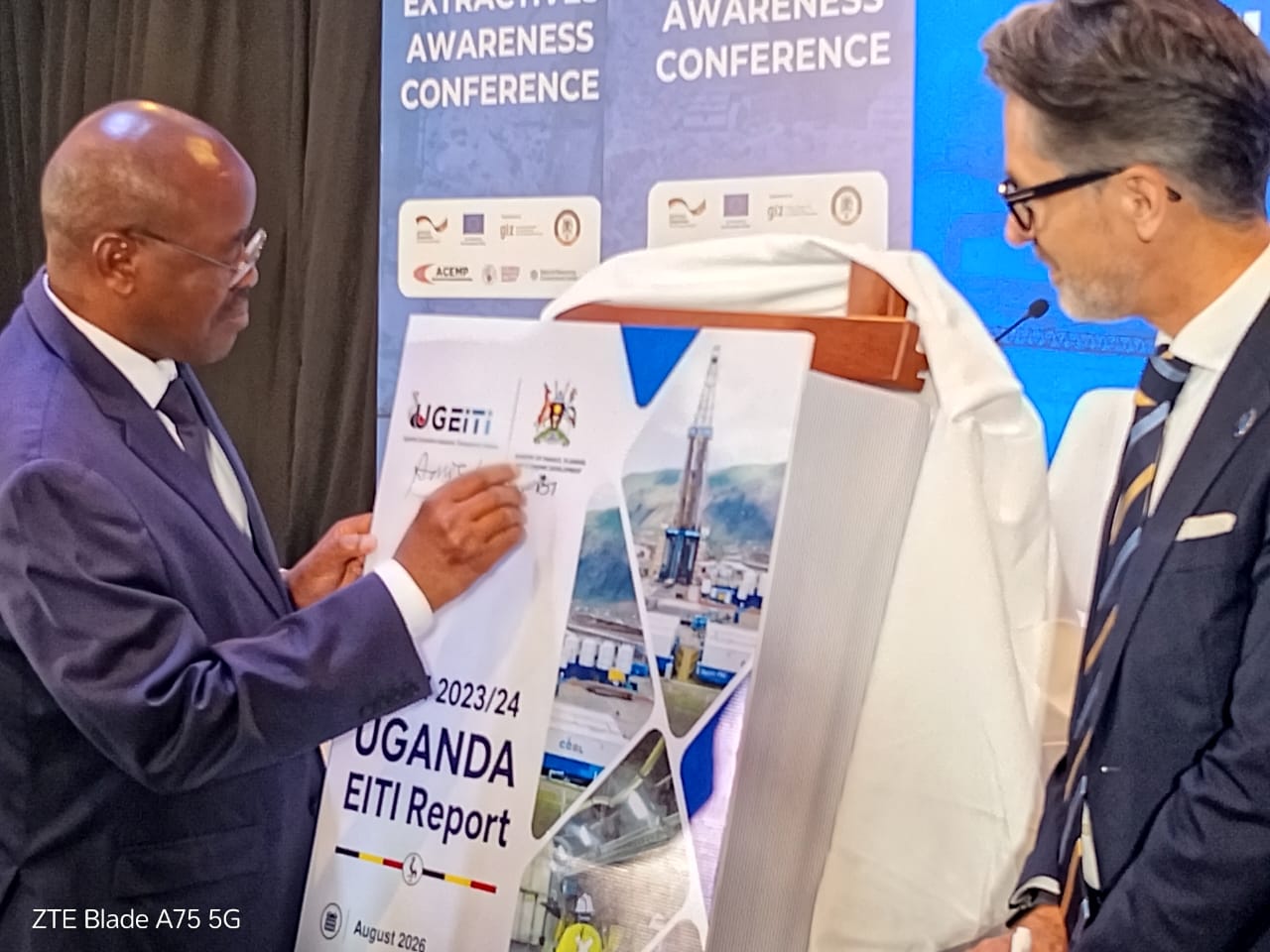
Uganda earned Shs663.28 billion from the extractive sector in the financial year 2023/24, but the industry contributed only 2.39% of the country’s total government revenue, raising concerns about whether the country is getting enough value from its mineral, oil and gas resources.
The figures are contained in the fifth Uganda Extractive Industries Transparency Initiative (UGEITI) report, covering July 2023 to June 2024.
The report shows that the extractive sector contributed Shs663.28 billion to government revenue during the year, up from Shs530.17 billion in 2022/23. Mining and quarrying contributed Shs336.19 billion, while oil and gas contributed Shs327.09 billion.
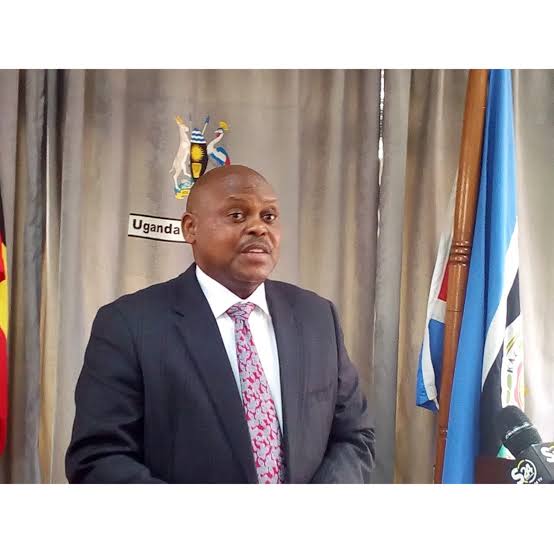
Despite the increase in revenue, The minister of state for Planning, Amos Lugoloobi, said the government wants more value from the sector.
Lugoloobi said the government is considering strengthening the legal and regulatory framework governing mining to ensure that companies operating in the sector provide reliable information and comply with their obligations.
He said voluntary reporting by mining companies makes it difficult for government to establish the true level of activity in the sector and collect the revenue due to the country.
“All miners and investors must be able to report businesses that are being carried out there instead of doing it voluntarily because we lose so much,” Lugoloobi said.
He added that the government must ensure that the extractive sector benefits both the country and its population, rather than allowing its benefits to be concentrated among individuals.
Lugoloobi said mining is one of the key areas under the government’s Tenfold Growth Strategy and therefore cannot be allowed to develop at a slow pace.
“Mining is one of the pillars that will drive the Tenfold strategy. We can’t just let it perform at a slow pace yet it is a key sector in the country,” he said.
The UGEITI report shows that the mining and quarrying sector contributed Shs2.59 trillion to Uganda’s GDP at current prices in 2023/24, representing 1.28% of national GDP.
Of this amount, formal mining and quarrying accounted for Shs1.21 trillion, equivalent to 0.60% of GDP, while informal mining and quarrying contributed Shs1.38 trillion, equivalent to 0.68%.
The report also shows that mineral production grew sharply during the year, with the value of minerals produced rising from Shs248.46 billion in 2022/23 to Shs464.68 billion in 2023/24, an 87% increase.
Iron ore was the biggest contributor, accounting for 62% of mineral production, followed by limestone at 22 per cent and vermiculite at six per cent.
However, the increase in production has not translated into a similarly large contribution to the national economy.
According to UGEITI, Uganda’s mineral exports were valued at Shs119.21 billion during the year, with non-agglomerated iron ore accounting for nearly 69% of the value.
The report further notes that Uganda’s oil and gas sector was still in the exploration and pre-production stage during the reporting period, meaning no oil or gas production or exports were recorded in 2023/24.
The report points to transparency, information gaps and contract disclosure as some of the issues that need attention.
Edwin Kavuma, the UGEITI Stakeholder Engagement Manager and Board Secretary, said there is room for government to improve revenue collection from the extractive sector.
Kavuma said UGEITI is pushing for legal and institutional reforms that would make companies more accountable for the activities they undertake and the revenues generated from those activities.
“Indeed, government generates low revenue from the extractive sector, yet there is room for improvement,” he said.
He said greater attention should also be given to contracts signed between government and extractive companies.
“We must also become keen on the contracts that are given to companies. We believe transparency is still lacking and it is one of those areas that we must address,” Kavuma said.
Uganda joined the Extractive Industries Transparency Initiative in August 2020 as part of efforts to strengthen transparency, accountability and public oversight in the management of its oil, gas and mineral resources. The initiative brings together government, extractive companies and civil society organisations.
The latest report shows that Uganda has made progress in establishing a legal framework for the mining sector. The Mining and Minerals Act, 2022 was enacted to reform and consolidate the laws governing the mineral sector and strengthen its administration.
However, the report also highlights continuing challenges around the disclosure of contracts.