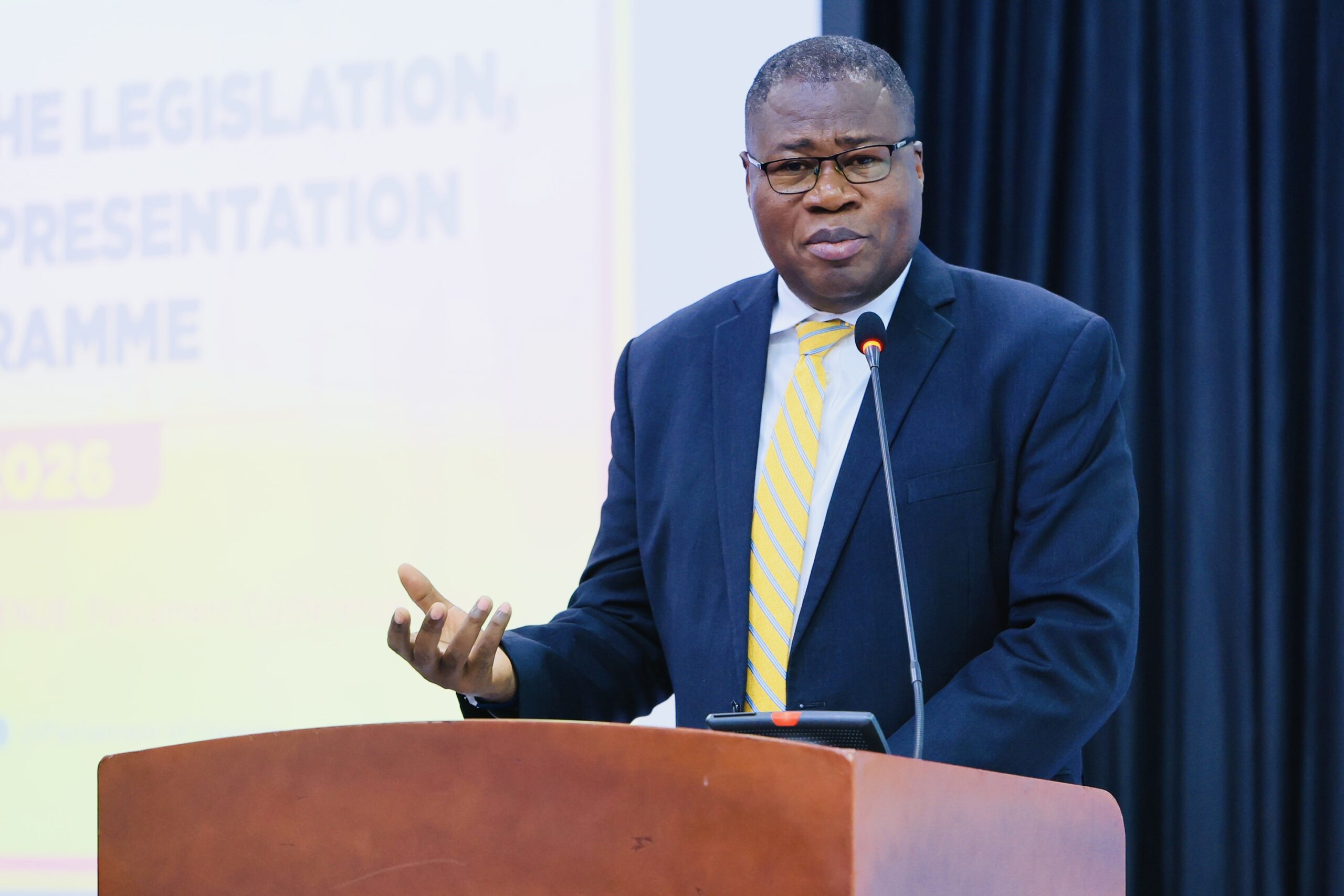
The Speaker of Parliament, Jacob Marksons Oboth, has urged Parliament and its partners to strengthen coordination, improve planning, and use reliable data to measure the impact of laws, budget decisions, and oversight on the lives of Ugandans.
Oboth said Parliament’s Legislation, Oversight and Representation (LOR) Programme should be planned, funded, implemented and evaluated as one programme to ensure that its activities deliver tangible results for citizens.
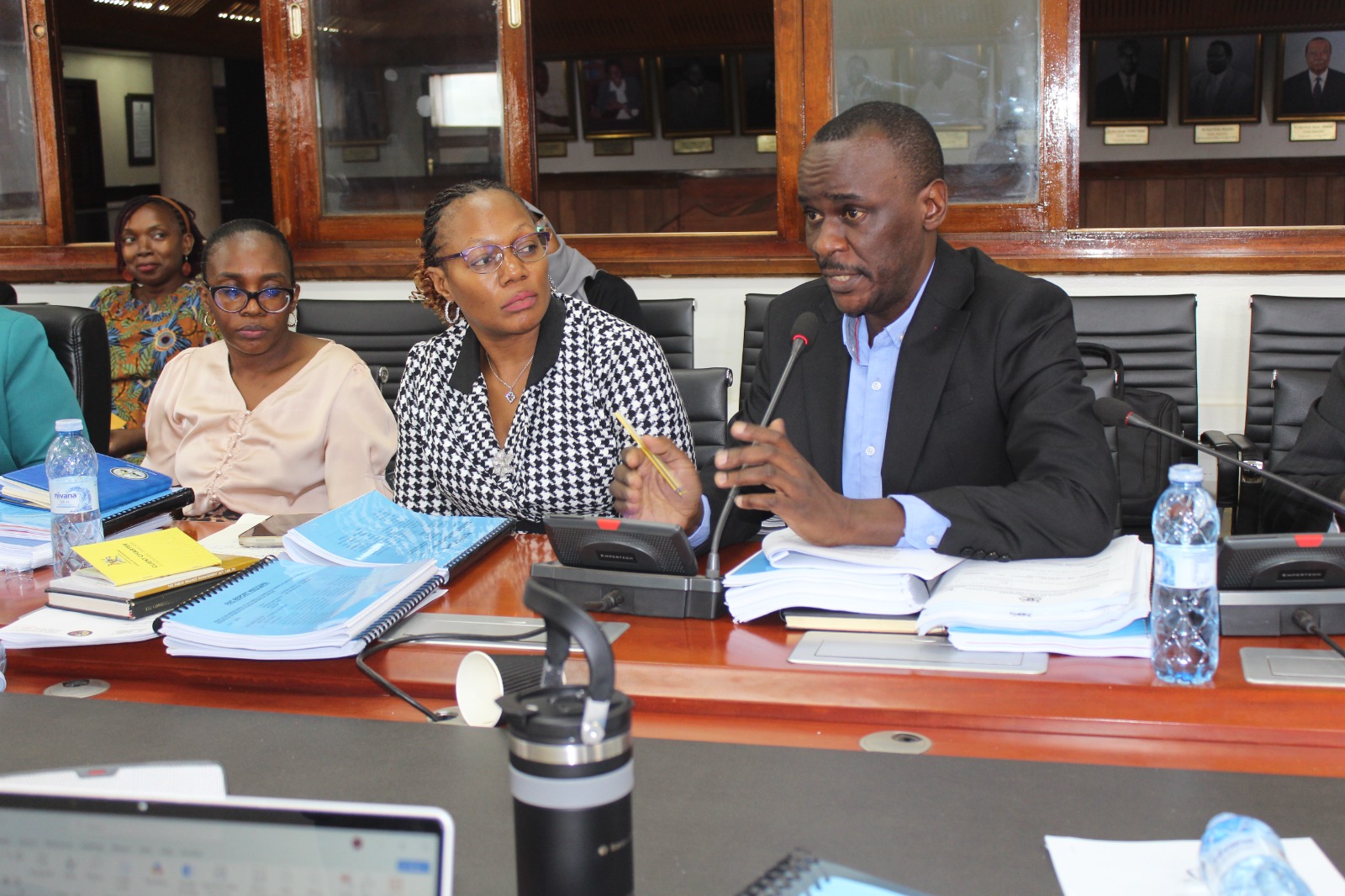
He made the call on October 22, 2026, while opening the LOR Programme Annual Review Workshop in Kampala, organised by Parliament’s Corporate Planning and Strategy Department.
The workshop is the first annual review of the 12th Parliament and is assessing the programme’s performance during the first year of implementing the Fourth National Development Plan (NDP IV) and the government’s Tenfold Growth Strategy.
The review is being conducted under the second LOR Programme Implementation Action Plan, which guides Parliament’s work in lawmaking, scrutiny of public resources and representation of citizens.
“The LOR Programme exists to serve the people of Uganda. When we enact good laws, scrutinise how public resources are used, and speak for our constituents, we turn the promises of government into real changes in people’s lives,” Oboth said.
He challenged participants to critically assess whether the programme was achieving its objectives, rather than focusing only on activities completed or funds spent.
He asked whether laws at national and local government levels were being enacted on time, whether parliamentary oversight was leading to the changes citizens expected and whether people’s concerns were being considered when Parliament made budget decisions.
He also challenged the programme’s implementers to demonstrate how their work was contributing to the government’s Tenfold Growth Strategy, which aims to expand Uganda’s economy.
Oboth outlined three priorities for improving the programme’s performance.
First, he said the LOR Programme should follow the government’s programme-based planning and budgeting system, under which planning, financing, implementation and reporting are coordinated around shared objectives.
This approach, he said, would help Parliament assess its performance as a single programme instead of treating related activities as separate undertakings.
Second, he called for greater ownership among the programme’s partners and other actors. He said they should participate in setting priorities, implementing the action plan and accounting for the results achieved.
Third, he emphasised the need for evidence-based decision-making, supported by reliable data, clear performance indicators and timely reporting.
These measures, he said, would help Parliament identify gaps in implementation, track progress and determine whether its work was making a difference in the delivery of public services.
The Speaker also called for stronger coordination with the Office of the Prime Minister, the National Planning Authority and other programme actors to ensure that recommendations arising from parliamentary work translate into improvements in service delivery.
Oboth urged participants to use the workshop to identify practical measures for improving the programme in the coming financial year.
He said the review should produce clear commitments that could be implemented and measured, rather than end with general recommendations.