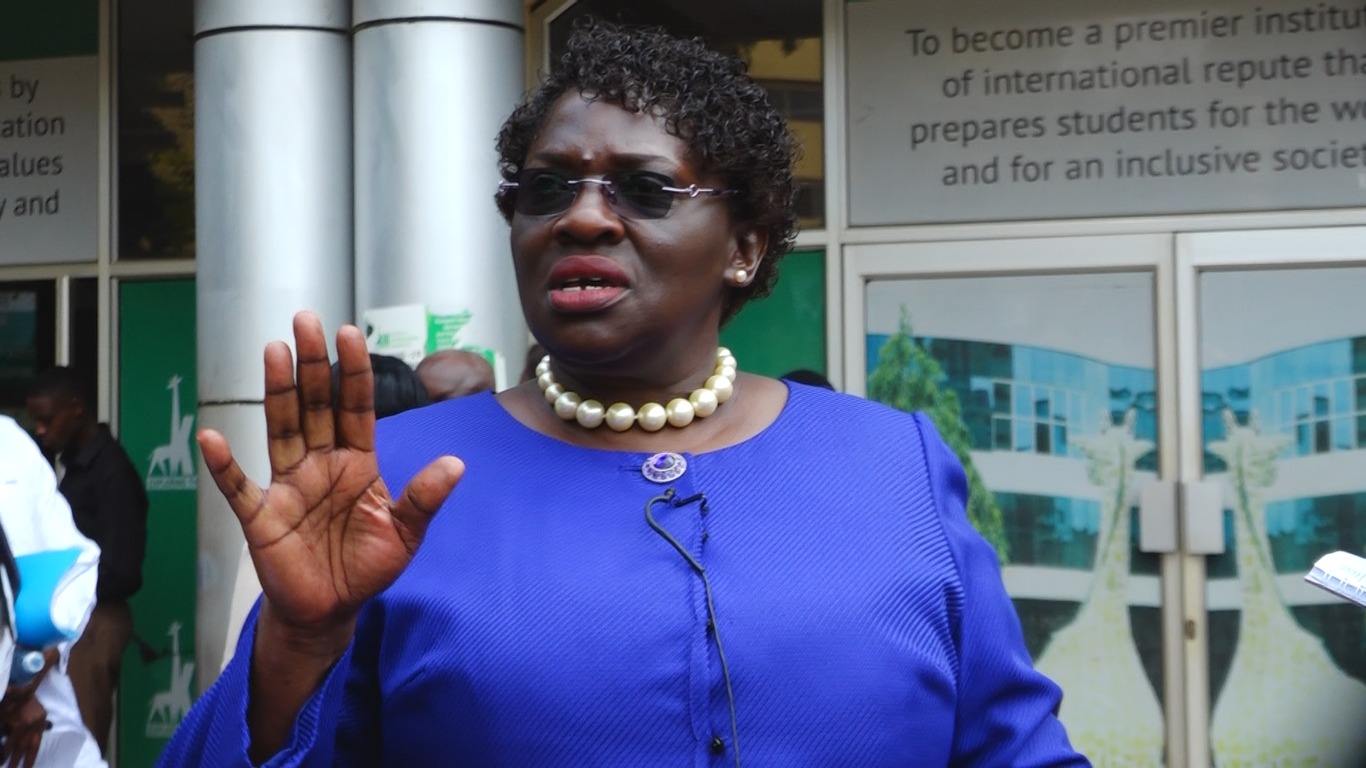
Makerere University Vice Chancellor Prof Barnabas Nawangwe has called on students to take the lead in restoring Africa’s global standing, arguing that the continent’s future depends on research, enterprise creation and technological innovation.
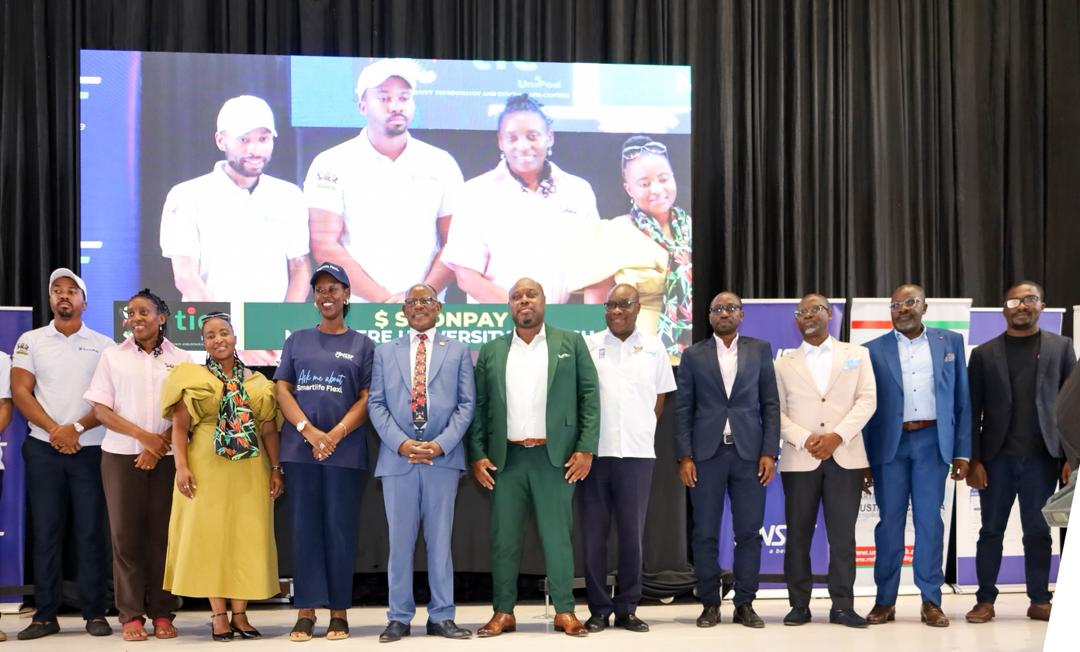
He delivered the message during the launch of SoonPay, a global fintech platform that promises simple, user-friendly money transfers and financial services. The event was held at Makerere University on Saturday, December 6.
SoonPay says the app is designed with minimal complexity to ease registration and everyday use.
Prof Nawangwe framed his remarks in a historical reflection, noting that Africa once led the world in scientific and architectural progress before centuries of disruption stalled its development. He cited the Moors of North Africa, who occupied Spain for 700 years from 711 AD and introduced new knowledge that transformed European building technology.
“Before that, they were building like some of us still mud and wattle,” he said.
He said Europe preserved and advanced the knowledge introduced by Africans, while the continent later endured a long decline driven by the slave trade and colonial rule.
“For over 600 years, our civilisation and technology were destroyed,” he said. “Africa was absolutely devastated.”
Prof Nawangwe said the continent now has a renewed chance to advance, more than six decades after independence. With a fast-growing youthful population, he said universities must drive the next wave of innovation.
He rejected claims that African graduates are unprepared for industry, arguing instead that the real gap is the absence of industries to absorb the growing labour force.
“You are the ones who must create the industries to employ the multitude of others,” he said.
He urged students to recognise the responsibility that comes with a Makerere education.
“You are the cream of Africa,” he said. “It places a huge responsibility on you.”
He warned that Africa must not lag behind in artificial intelligence and emerging technologies, recalling a global conference where half the presenters on AI were Africans working abroad. He said this underlines the urgency of closing the digital divide.
“We don’t want history to repeat itself. We must move with the world and eventually lead it as we once did,” he said.
SoonPay CEO Frantz Morency said blockchain technology will be key to ending Africa’s long exclusion from global financial and technological systems. He urged Uganda’s youth to position themselves at the forefront of the digital economy.

He said Africa has repeatedly missed major technological waves, including industrialisation, digital finance, the internet and artificial intelligence, largely because of limited access and opportunity.
“For too long, we have been excluded from global financial and technological progress. But we cannot blame the youth. We must blame ourselves for not providing opportunities. That is what SoonPay is here to change,” he said.
He thanked Makerere’s leadership for supporting the rollout and recognised Prudential and NSF for sponsoring digital tools aimed at underserved communities.
Morency praised the enthusiasm of students during a week-long blockchain training at Makerere, saying it showed strong demand for emerging digital skills.
“What I have seen in this room shows that you want to learn blockchain you just haven’t been offered the opportunity,” he said.
He cited global figures showing the United States controls about 61.7% of blockchain revenue roughly $2.6bn a disparity he said Africa must urgently confront.
“That figure is unacceptable when I look at the talent here,” he said.
Morency said his long-term mission is to contribute to Africa’s technological empowerment, arguing that Uganda has strong potential for blockchain adoption.
“Everything you do in future will be touched by this technology,” he said. “You must prepare yourselves not just to use blockchain, but to create businesses and opportunities from it.”