The National Water and Sewerage Corporation (NWSC) board has inspected water supply projects in Hoima City as the utility works to improve access to clean water ahead of the 2027 Africa Cup of Nations (AFCON).
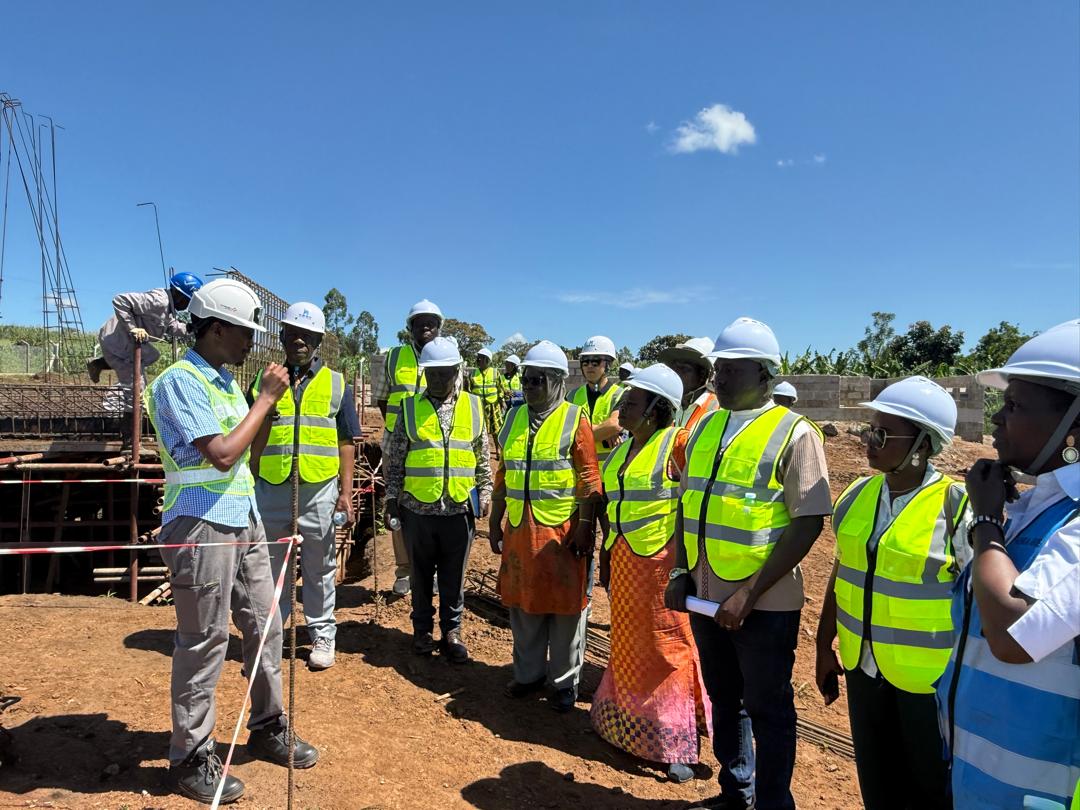
The board toured ongoing construction works under the Hoima Emergency Water Supply Project, which is intended to increase water production and improve the reliability of supply to the city and surrounding areas.
The project is expected to be ready for commissioning by February 2027, with implementation currently at 37%.
The inspection comes as Uganda prepares to co-host AFCON 2027 with Kenya and Tanzania, with Hoima among the cities expected to support the continental football tournament.
The Hoima Emergency Water Supply Project includes a new water intake on River Kafu, a treatment plant at Rwoga with a capacity of 2,000 cubic metres a day, a 2.9-kilometre raw water pipeline and a 300-cubic-metre storage and balancing reservoir.
The project also involves laying a 22-kilometre pipeline to transport treated water from Kikuube to Hoima City.
Once completed, the infrastructure is expected to increase the amount of water available to consumers and help address supply challenges as the city experiences growing demand.
During the site inspection, the board was informed that excavation and concrete blinding for the water treatment plant units had been completed.
Excavation works at the water intake site had reached 90%, while steel reinforcement and concrete works at the treatment plant stood at 15%.
Pipeline surveys had been completed, and power extension works had reached 50%, according to the project progress report.
The board used the visit to assess the different components of the project and review progress towards establishing a more reliable water supply system for Hoima City.
The emergency project is part of NWSC’s wider programme to prepare water infrastructure in areas expected to experience increased demand during AFCON 2027.
The utility has already completed work to stabilise water supply to Hoima City Stadium through the development and connection of two boreholes.
The boreholes are located at Mparo and Kyarwiru. Mparo has a production capacity of 25 cubic metres an hour, while Kyarwiru produces 15 cubic metres an hour.
Both boreholes have been connected to the stadium and commissioned, providing a dedicated water source to support the facility during preparations for the tournament.
NWSC is also planning to extend water supply services to Kabalega International Airport, which is expected to support increased passenger traffic and other activities during the tournament.
The proposed airport extension will involve upgrading the Kafu Water Treatment Plant’s capacity from 2,000 to 3,000 cubic metres a day.
The plan also includes laying a 36-kilometre bulk water transmission pipeline, measuring 200 millimetres in nominal diameter, and constructing a 200-cubic-metre storage reservoir at the airport.
The airport extension is intended to strengthen water supply to the facility as preparations for AFCON 2027 continue.