Parliament has suspended the enforcement of the charcoal trade ban pending a government explanation on the availability and affordability of alternative sources of cooking energy.
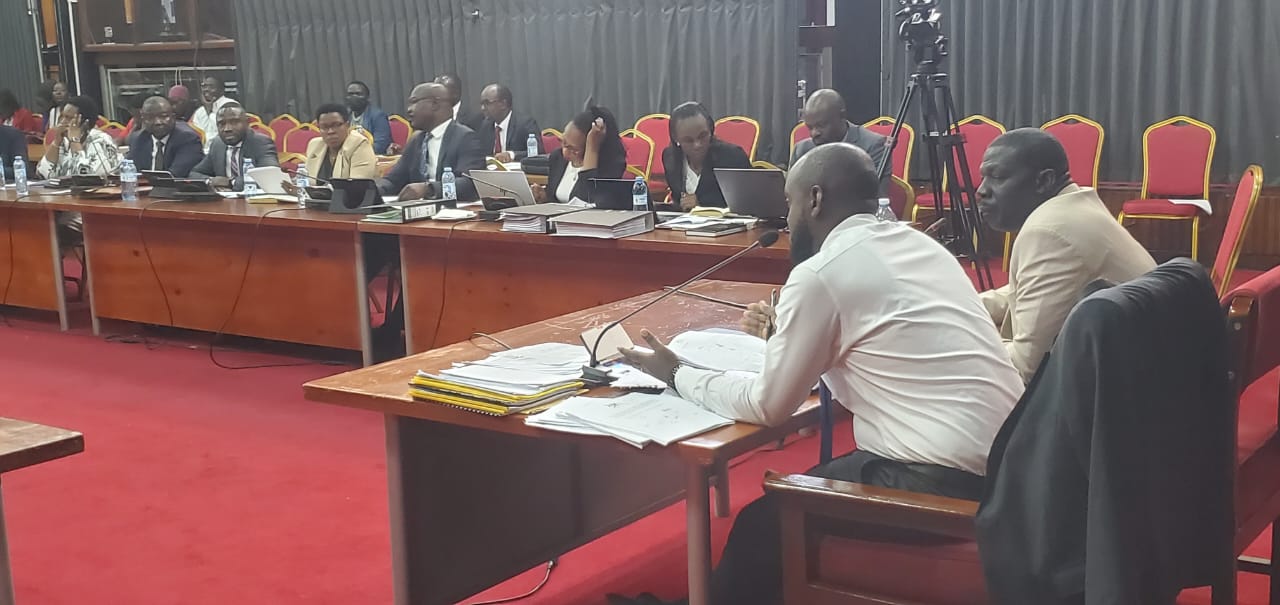
Speaker Jacob Marksons Oboth-Oboth directed the suspension during a plenary sitting on October 14, 2026, after MPs questioned whether ordinary Ugandans were prepared to abandon charcoal.
The speaker asked the Ministry of Energy and Mineral Development to present a statement on the implementation of the ban and government efforts to promote alternative energy sources.
The restrictions stem from Presidential Executive Order No. 3, issued on May 19, 2023, which prohibits charcoal burning and trade in West Nile, northern Uganda, Karamoja and the Teso sub-region.
The suspension concerns enforcement of the restrictions and should not be interpreted as a nationwide ban on all domestic charcoal use.
During the debate, several MPs argued that enforcing the restrictions before providing affordable alternatives could increase the cost of living, threaten jobs and make life harder for households that depend on charcoal for cooking.
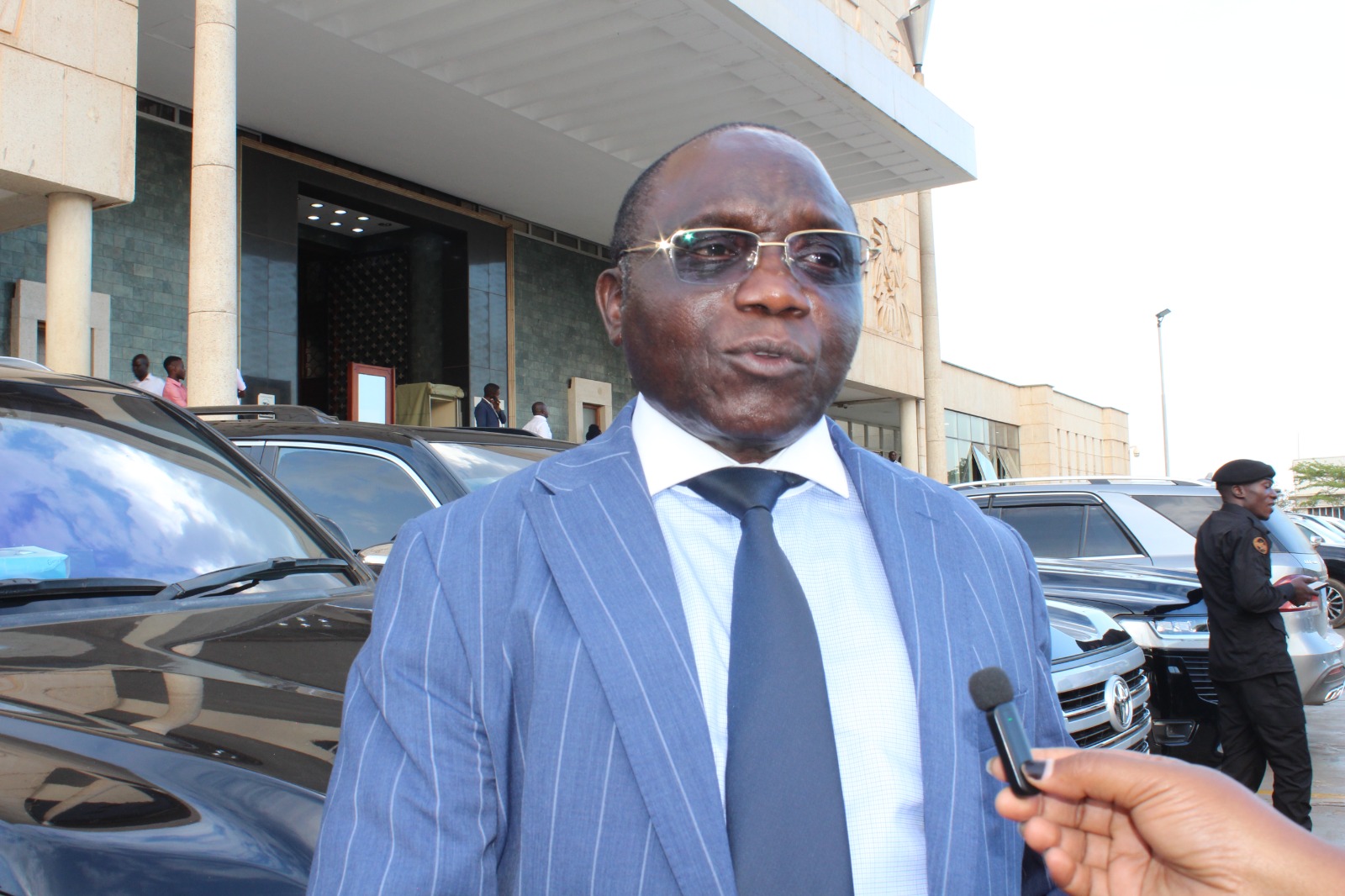
Dr Gerald Kasigwa Kigolobya said an immediate ban on charcoal use would create difficulties for restaurants and other businesses that depend on the fuel to prepare food.
“Ban on charcoal use for domestic use looks to be problematic. Most restaurants are using charcoal to cook us food, and we must mind about the job losses that will come as a result of this ban,” Kasigwa said.
The MP also questioned how authorities would enforce the restrictions when some homes occupied by police and army personnel still use charcoal.
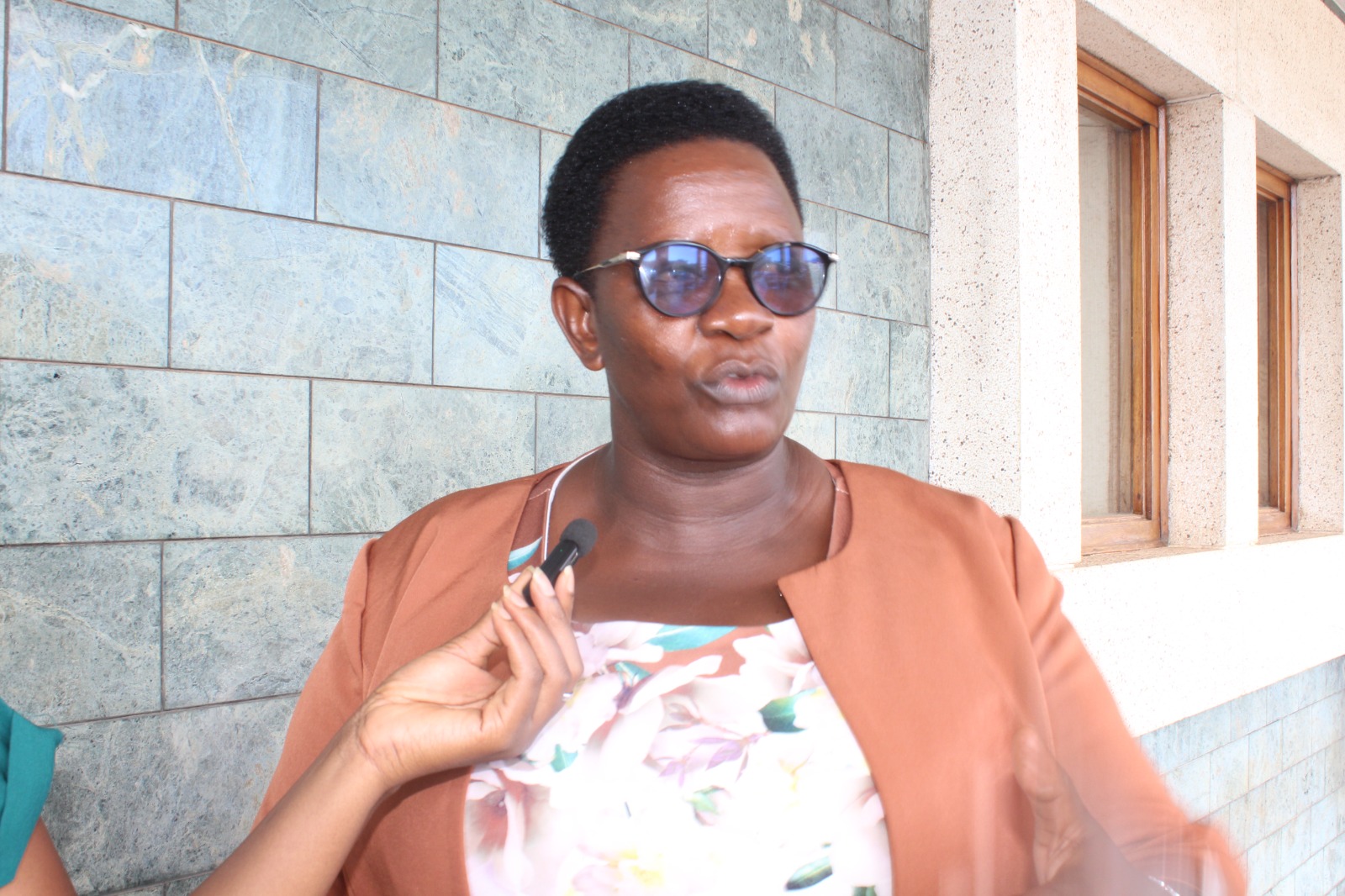
Brenda Nabukenya, the Luweero Woman MP, said government should have made alternative cooking energy readily available and affordable before moving to enforce the restrictions.
She accused the National Resistance Movement government of failing to conduct sufficient research into the economic implications of the policy.
Nabukenya argued that many Ugandans could not afford the initial cost of buying gas cylinders and the money required to refill them.
She said the transition would be difficult for households whose incomes were too low to meet the cost of alternative fuels.
“Can you imagine even in the parliamentary canteen they still use charcoal? Even our ministers use charcoal for their weekend barbecue,” Nabukenya said.
Ali Mulyanyama, the Makindye West MP, welcomed the suspension, saying government needed to ensure that households could afford alternative cooking fuels before proceeding with enforcement.
Mulyanyama said the policy was premature without sufficient information on the affordability and accessibility of alternative energy across the country.
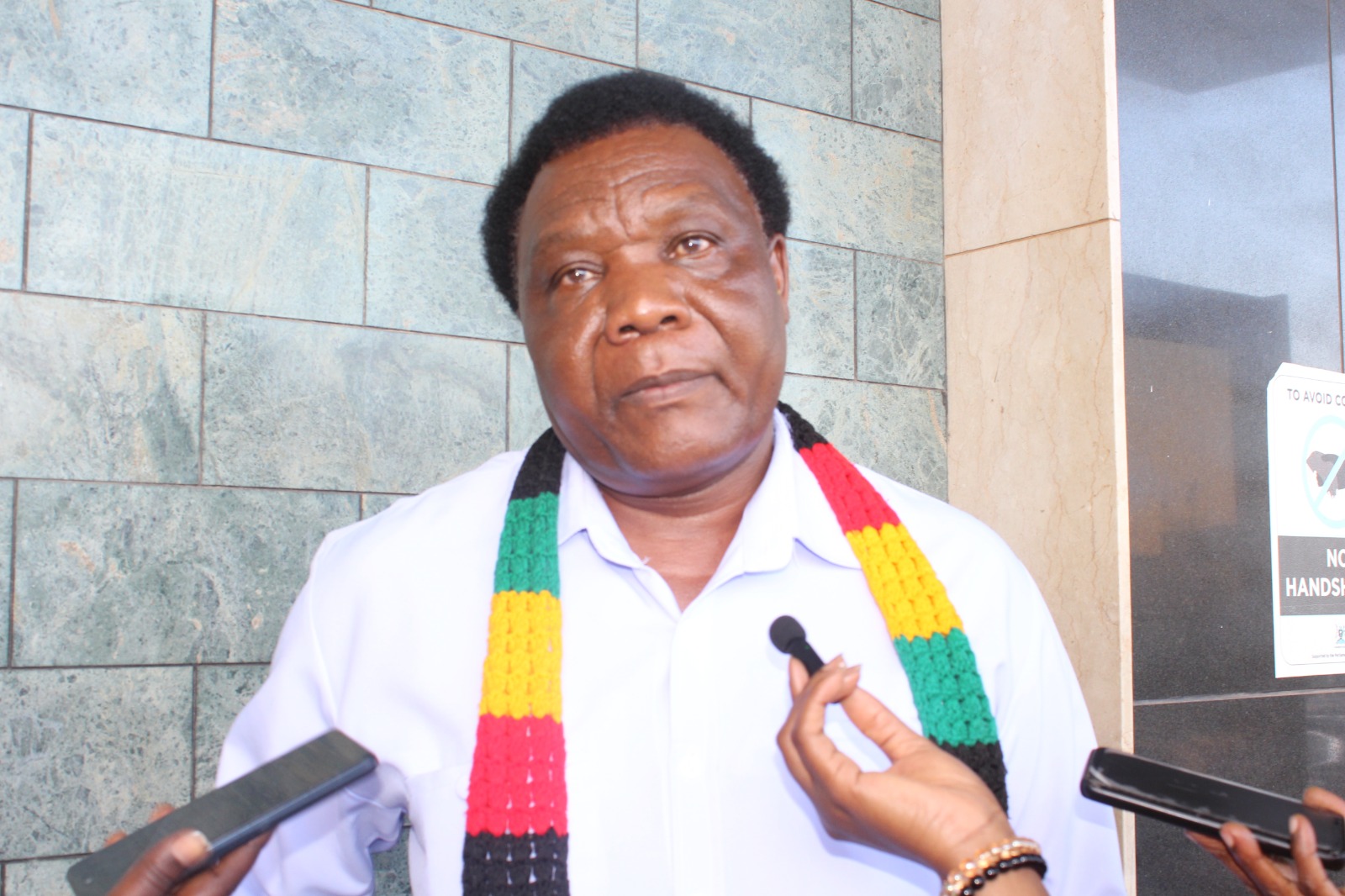
Onesmus Twinamatsiko, the Bugangaizi East MP, said protecting the environment was important, but the restrictions would be difficult to enforce while access to electricity and other energy sources remained limited in some rural communities.
“Unless government makes gas cheap for Ugandans and reduces power bills, the ban will face strong opposition from the public,” Twinamatsiko said.
Gerald Nangoli also questioned the timing of the enforcement measures, warning that leaders should not support policies that could make life harder for citizens without preparing them for the changes.
Cohen Amanya, the Igara County West MP, supported efforts to protect forests but said government needed to provide alternatives for households that rely on charcoal.
Amanya argued that environmental protection measures should be accompanied by practical steps to ensure that people could continue preparing meals without facing unaffordable costs.
“This will bring more harm than good since our people cannot survive without food,” he said.