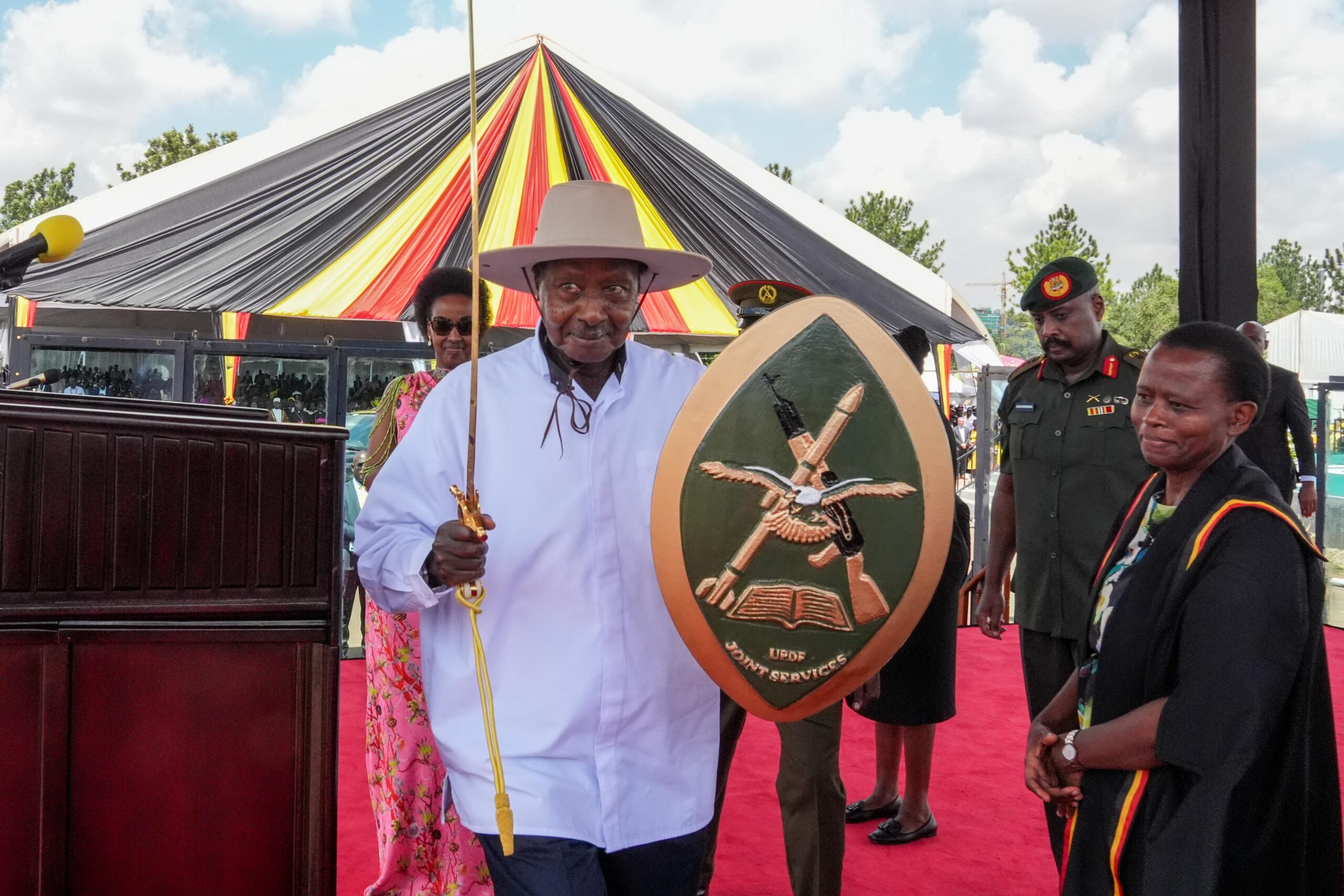
What awaits President Museveni in this kisanja of “no more sleep for all Ugandans” is ultimately a test of legacy.
Internally, he faces an old question in a new form: how to transform stability into visible and inclusive household prosperity.
Uganda has relative peace, expanding infrastructure, oil prospects, and a youthful population. However, citizens increasingly want jobs, cheaper credit, better service delivery, less corruption, and a State that responds faster to public needs.
His biggest domestic challenge will be economic impatience. Young people no longer judge the government solely through the lens of the 1986 liberation and the instability that preceded it.
They judge leadership by present opportunities and their own economic realities. The next term must therefore focus less on explaining past achievements and more on converting them into incomes that reach ordinary Ugandans.
At the centre of that transformation lies one unavoidable battle: corruption. No country can industrialise seriously, attract sustainable investment, reduce the cost of doing business, or deliver efficient public services while leakage and bureaucratic theft continue to consume national energy.
The war against corruption must move beyond lamentation and sporadic arrests to disciplined systems, faster institutions, visible accountability and a culture in which public office is treated as a responsibility rather than an opportunity for extraction.
Politically, President Museveni will also have to manage Cabinet expectations, generational pressure within the National Resistance Movement, and a Parliament where ambition may at times speak louder than ideology.
After every major political victory, the most difficult contest is often not against the opposition but against the competing interests of allies, loyalists, and emerging power centres within the establishment.
The election gave him a renewed mandate. We must strengthen that legitimacy through performance, efficiency, discipline, and national inclusion.
Externally, he returns to office in a far more complex global environment. Geopolitics has become increasingly transactional, while regional security remains fragile.
Uganda must balance relations with the West, China, the Gulf states, and African neighbours without appearing dependent on any single centre of power.
The real opportunity before Uganda is the chance to move from the politics of survival to the politics of delivery. Oil development, agro-industrialisation, regional trade, value addition, technological transformation, and youth enterprise must become the defining language of this new term.
Ultimately, this kisanja will likely be judged by one central question: whether the revolutionary who delivered stability can also become the architect of disciplined prosperity, institutional efficiency, and broad national transformation.
History has already granted President Museveni longevity. The next five years must now deliver a stable Uganda that feels transformed in the daily lives, pockets, and hopes of ordinary citizens.
The author is a commmissioner at the Uganda Human Rights Commission (UHRC).