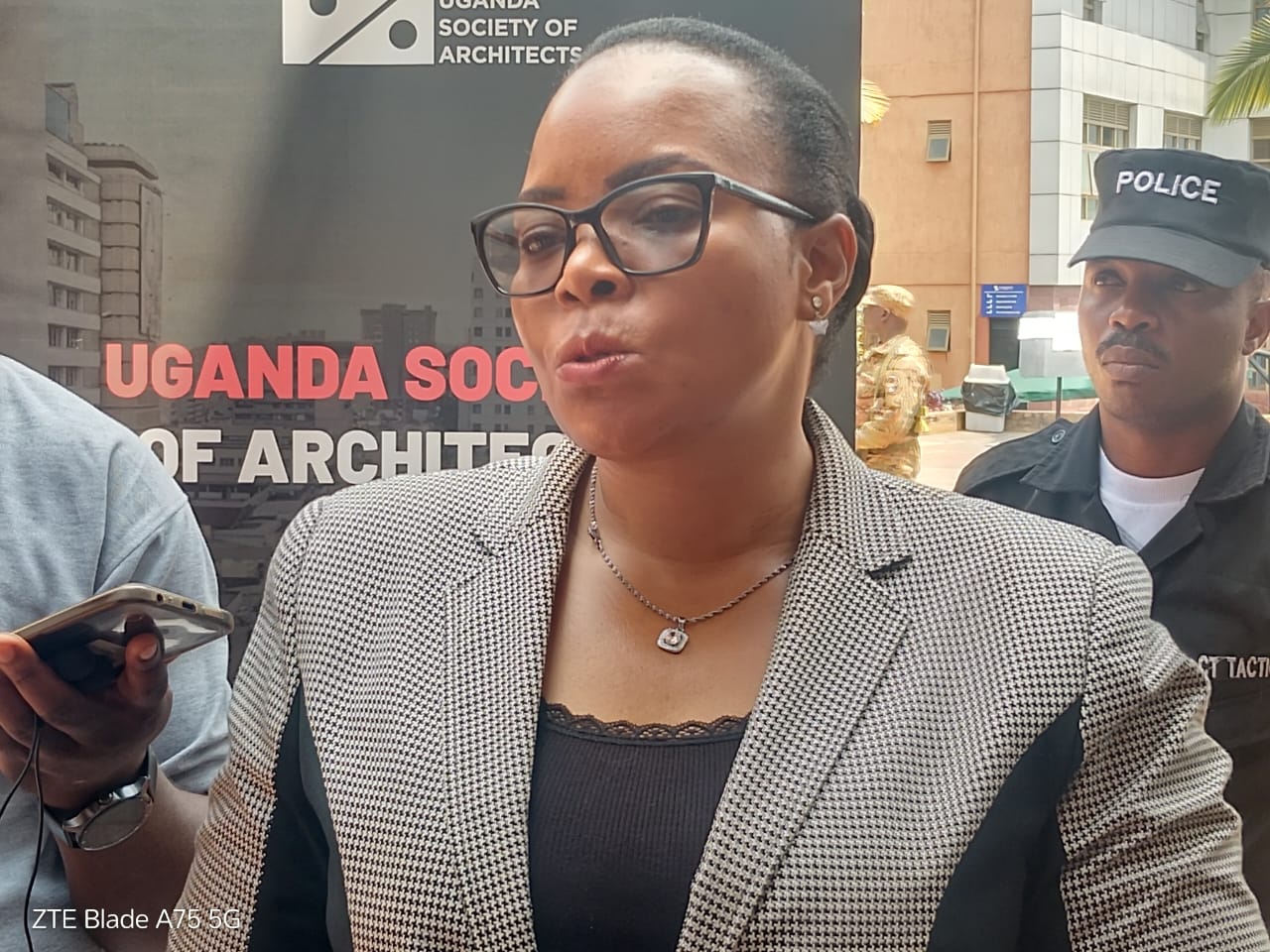
The Uganda Society of Architects (USA) has called on the government to strengthen investment in the housing sector and speed up implementation of budget commitments to help reduce Uganda’s estimated housing deficit of 2.4 million units.
The call was made on Thursday during a post-budget dialogue on housing that brought together government officials, planners, architects, engineers, financial institutions, development partners and civil society organisations.
Speaking at the meeting, USA president Kenneth Amunsimire said the dialogue was intended to assess government commitments to housing under the National Development Plan and identify areas where improvements are needed.
“We are here to dialogue and track government commitment to housing in the national budget and discuss with various stakeholders what can be improved,” Amunsimire said.
He described housing as one of the country’s key development priorities and said closer collaboration between government agencies, professional bodies and the private sector is needed to reduce the housing shortage.
Amunsimire also said the Society is marking 60 years of service, with anniversary activities scheduled to run until October 2.
He, however, expressed concern about people practising architecture without being registered.
“Only 410 members are registered. We encourage the public to engage registered architects or seek guidance from the Society to avoid poor quality work,” he said.
Representing the minister of Finance, Patrick Ocailap outlined government priorities for the housing sector.
He said efforts should focus on upgrading informal settlements, expanding affordable housing, supporting research to guide policy decisions, monitoring progress in underserved areas and understanding the country’s changing housing demand, including accommodation for students.
Ocailap also said the housing sector has an important role to play in supporting Uganda’s ambition of becoming a $500 billion economy by 2040.
He called for innovation, lower construction costs, improved returns on investment, reduced taxes on building materials and measures to slow the growth of informal settlements.
The minister of state for Housing Persis Namuganza urged architects to continue promoting orderly physical planning and guide developers before construction begins.
She said residential and commercial developments should be properly planned and located in suitable areas to create organised communities.
Namuganza also pointed to the rising cost of construction materials, taxation and restrictions on sand extraction as some of the challenges affecting the housing sector.
She challenged architects to demonstrate practical and affordable housing models that can be adopted on a larger scale.
The minister also encouraged Ugandans to avoid building in wetlands and to ensure their building plans are approved before construction starts.
She further urged financial institutions to consider more flexible loan repayment arrangements for borrowers facing financial difficulties, saying financial literacy should also be strengthened to help families make informed borrowing decisions.
National Planning Authority (NPA) executive director Dr Joseph Muvawala encouraged Ugandans to prioritise decent housing, saying it is essential for social and economic development.
Paul Mayende, Advocacy Manager at Habitat for Humanity Uganda, said the organisation has spent more than 43 years supporting families to access decent housing through affordable construction technologies such as interlocking blocks.
He called on government to reduce taxes on building materials, especially products commonly used by low-income households, and said the organisation continues to work with the Buganda Kingdom to improve access to decent housing.
Participants agreed that reducing Uganda’s housing deficit will require coordinated action through better planning, affordable financing, supportive tax policies, stronger regulation of the construction sector and wider adoption of cost-effective building technologies.