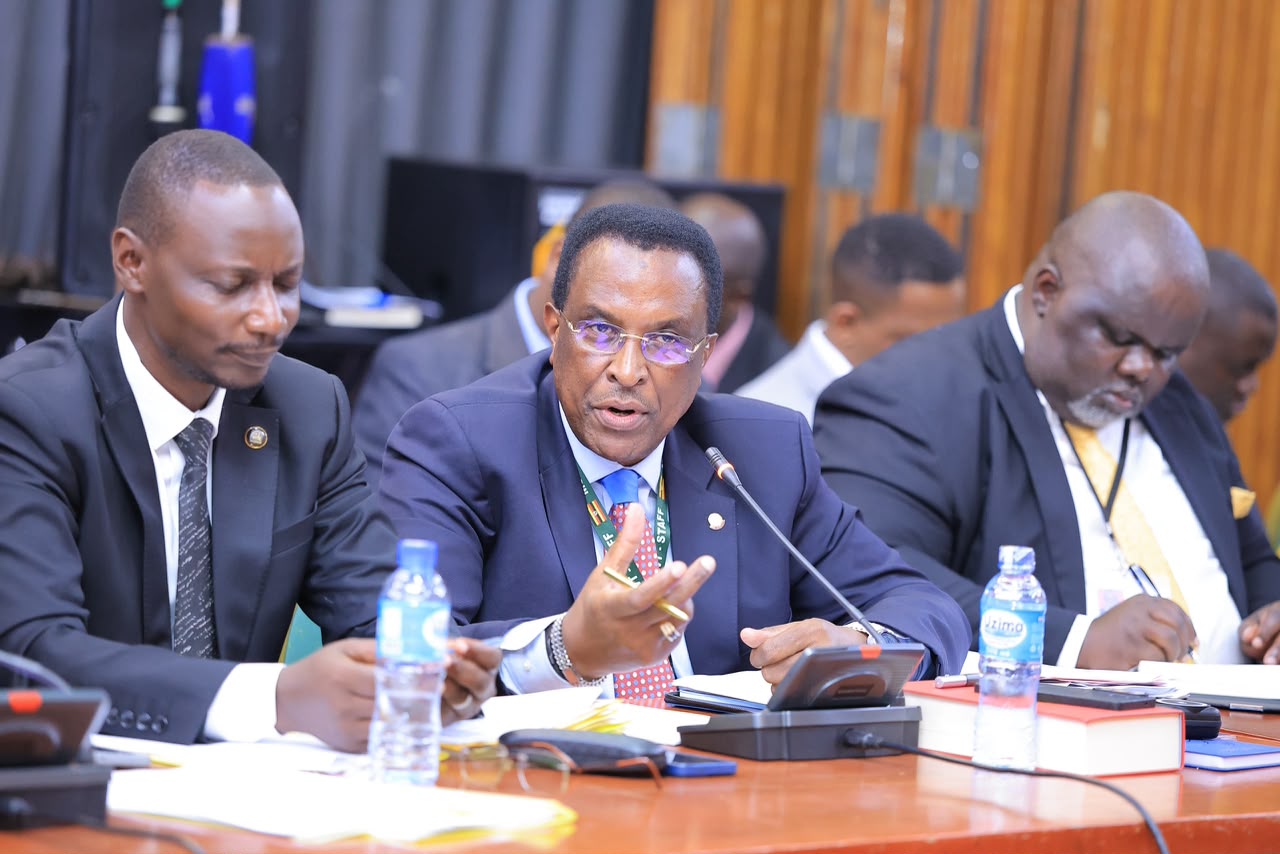
The backlog in the issuance and installation of the digital number plates has been cleared, with the average processing and fitment time falling from 19 days in December 2025 to two days in September 2026, government officials told MPs
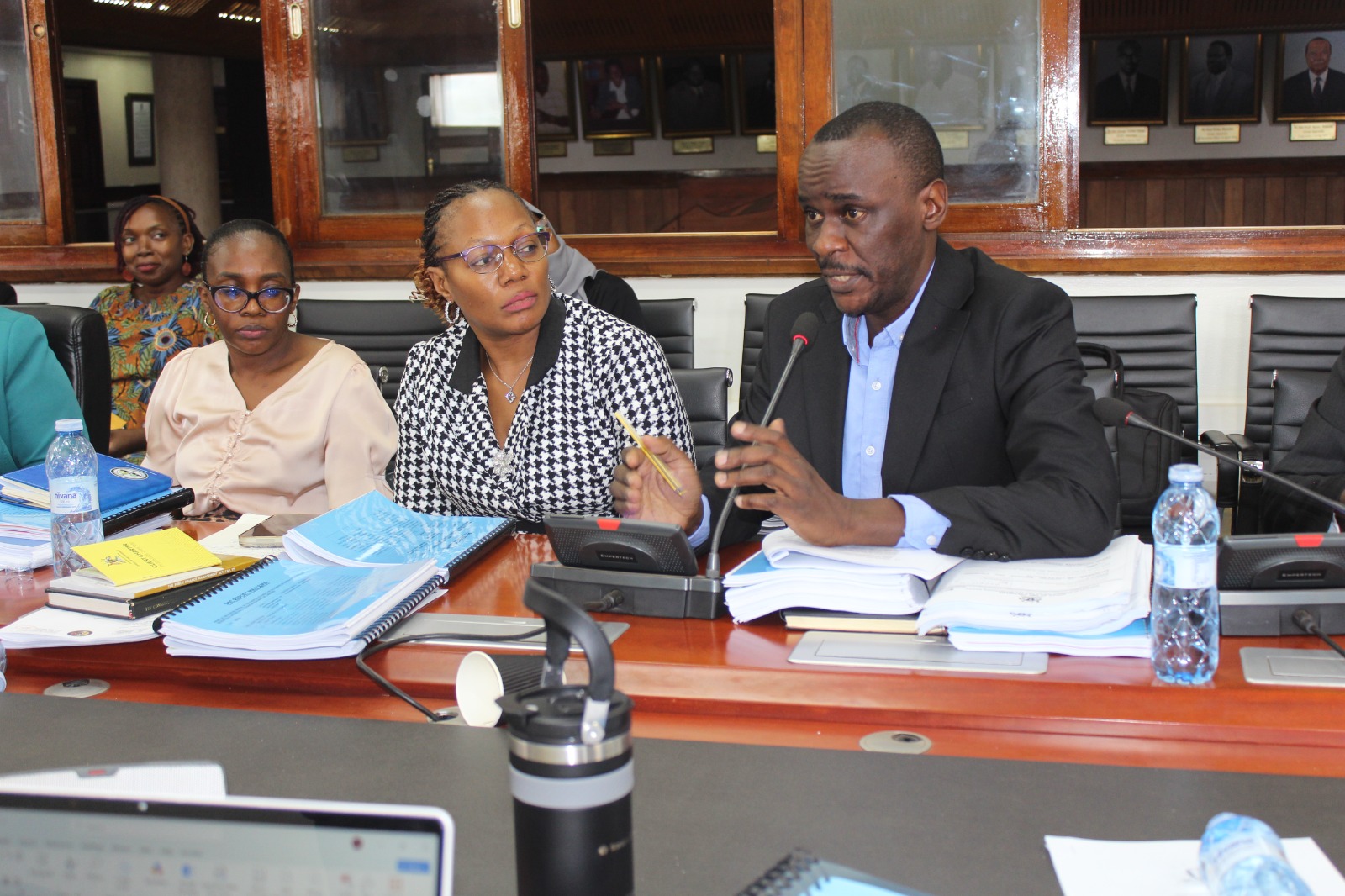
The officials from the Ministry of Works and Transport, the Ministry of Security and other agencies had appeared before the Parliamentary Committee on Physical Infrastructure.
The committee, chaired by Mbarara City South MP Mwine Mpaka, launched an inquiry into the digital number plates saga following complaints from motorists, vehicle dealers and other stakeholders about shortages and long delays in obtaining the digital plates.
Winstone Katushabe, the commissioner for Transport Regulation and Safety at the Ministry of Works, told MPs that the situation had since improved.
“Going by the current trends, I would think there is now some sanity,” Katushabe said, while acknowledging that some system-related challenges could remain.
He said motorists were increasingly receiving their plates in real time and that installation kits were now available.
According to a report presented to the committee, supplies of digital registration plate components were restored in August, allowing the backlog to be cleared during the same month.
The report shows that the average time required to register and fit digital plates at Kampala vehicle bonds fell from 19 days in December 2025 to two days in September 2026.
At the Malaba and Mutukula One Stop Border Posts, vehicles are reportedly fitted with the plates in about three hours.
The ministry also reported an improvement between July and September. In July, vehicle registration, including fitment, took an average of six days, with only 33 per cent of cases completed within two calendar days.
By September, the average time had fallen to two days, while 72% of cases were completed within two calendar days.
The ministry further reported that, during the first financial year in which digital registration plates were implemented, tax collections increased by 17% while overall government revenue increased by 16.4 per cent.
It attributed the increase to improved compliance enforcement following the introduction of digital registration plates for motor vehicle declarations made by clearing agents.
However, the MPs questioned the Shs714,300 charge for a new set of digital number plates, seeking an explanation of how the figure was arrived at.
The committee also raised questions about a proposed procurement worth about Shs158 billion involving Joint Stock Company Global Security, the Russian-based company implementing the digital plate component of the ITMS.
Felix Baryamwisaki, the director of ICT in the Police, told MPs that the tracking system had helped police recover stolen vehicles.
He said 337 out of 375 stolen motor vehicles recorded since the installation of the police monitoring system had been recovered, representing a recovery rate of about 90%.
He said the performance was weaker for motorcycles. Police recorded 782 stolen motorcycles, but only 174 had been recovered, representing about 22 per cent.
Baryamwisaki said one of the major challenges was that motorcycles were being tampered with, affecting the tracking system.
He explained that the tracking capability is linked to GPS installed in the vehicles and motorcycles, rather than relying solely on police cameras.
The Minister for Security, Jim Muhwezi, also told the committee that the system was operational across the country.
He cited a case in which a police vehicle was stolen and traced into Kenya before it was recovered, saying the tracking system can operate beyond Uganda’s borders.
The committee has also heard complaints from business groups about the cost and reliability of the programme.
The Kampala City Traders Association (KACITA), an umbrella body of traders, previously told the MPs that shortages and delays had disrupted vehicle dealers, while the Uganda Manufacturers Association (UMA) questioned the monopoly given to Joint Stock Company Global Security.
Global Security’s ITMS project manager, Damir Makhmutov, told MPs that the company had the technical capacity to carry out up to 1,500 installations a day. He said 1,307 installations had been completed by September 23.
The company attributed earlier supply delays partly to disruptions affecting imported components.