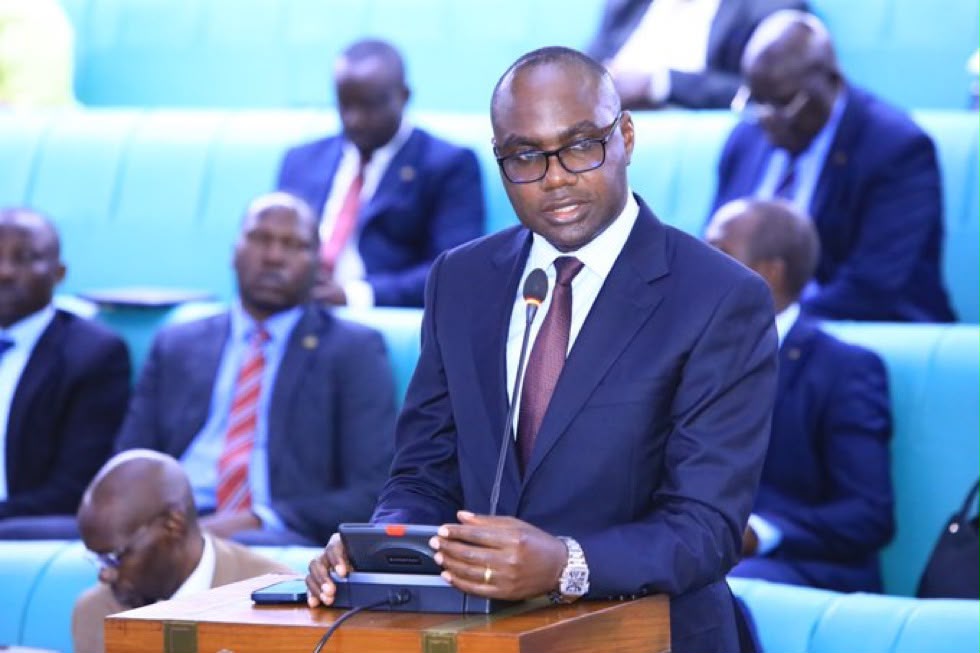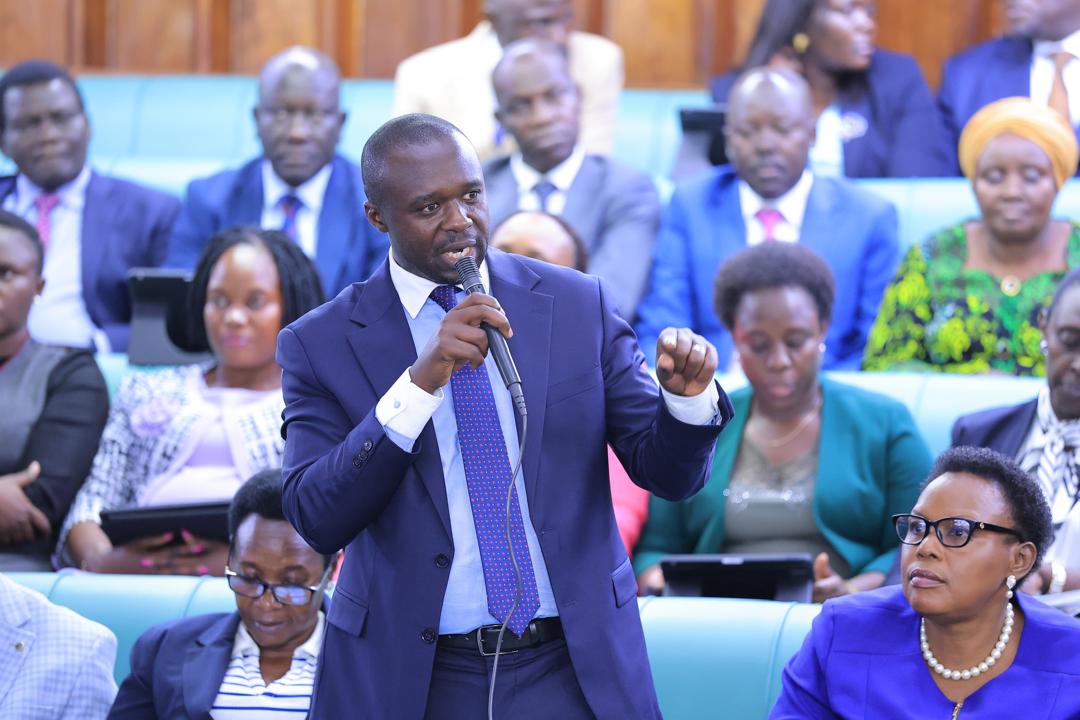
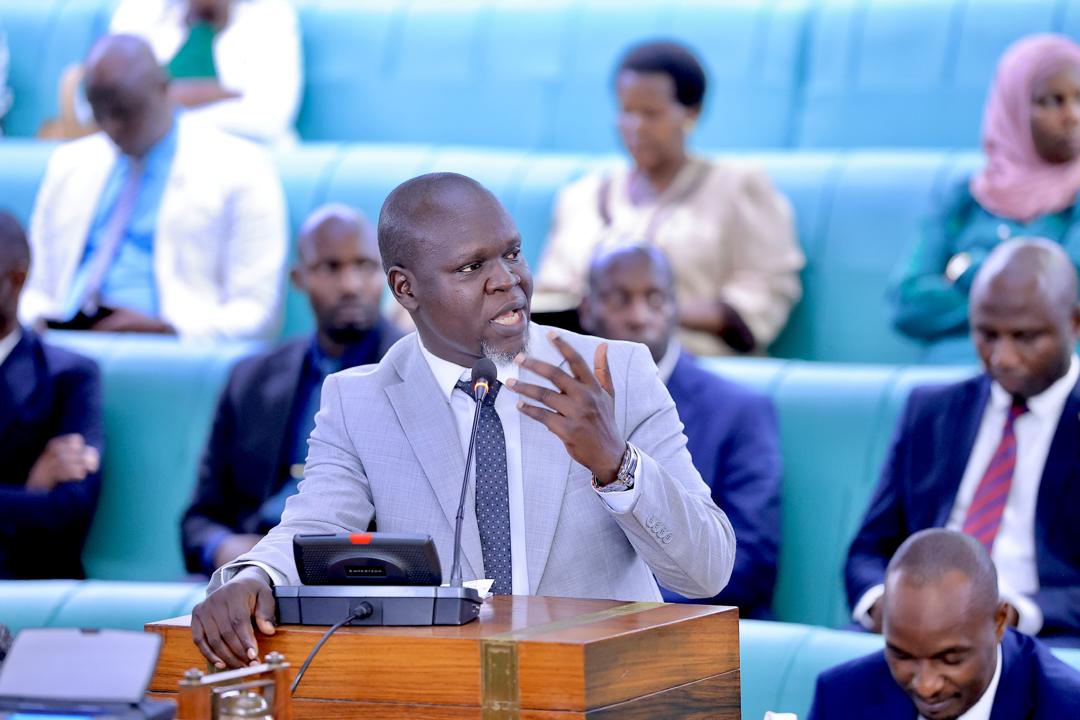
Parliament has passed a bill to prioritise and speed up the development of cities in Uganda, as MPs and ministers called for more money, better planning and clearer laws for urban areas.
Joan Acom Alobo, the Soroti City woman MP (FDC), presented the bill. She said government must help cities drive economic growth and development.
“We should stop measuring districts on population size but rather consider job creation and investments that will create value to our people,” she told the House during a sitting chaired by Speaker Jacob Oboth.
Martin Ojara Mapenduzi, the Bardege-Layibi MP, asked why many municipalities and cities still failed to meet the requirements for city status.
He said too little money to run city divisions made matters worse. He asked the finance ministry to build district headquarters away from cities, saying local governments and cities were pulling in different directions.
Ismael Kasule (Hoima West) urged government to prioritise cities, which he called the engine of economic growth. Edson Rugumayo (Ntoroko County) proposed continuous parliamentary oversight to make sure enough engineers are recruited.
Dennis Omodi, the Lira East Division MP and a former Nakawa division town clerk, questioned the weak funding and infrastructure in cities.
He said a city must show change in its services and planning, and not only in its name. He added that 65% of money allocated to cities goes on human resource management, leaving other priorities ignored.
Charity Kibaju Kamuhanda, the Mbarara City woman MP, stressed the need to manage waste, public health and the environment.
The debate briefly turned to women’s seats in parliament. Eddie Kwizera (Bukimbiri) said some woman MPs could be sitting illegally because the law did not cover some of the districts they represent. He invited the attorney general to propose a constitutional amendment.
Kiryowa Kiwanuka, the defence and veterans affairs minister and a former attorney general, accused Kwizera of reading the law selectively. He rejected what he called misleading reports and cited article 178 of the constitution.
Oboth asked members to repeat the same statement when Bukimbiri’s district status reaches the order paper. He said the constitution was a sacred document.
Lydia Wanyoto Mutende, the state minister for public service, said more funding was key because cities lacked seed schools and hospitals.
She said land ownership was also slowing projects, with one Kakungulu family owning more than four square miles, which delayed subleases. She said separate legislation was needed to harmonise city and local government.
Jane Ruth Aceng, the government chief whip, praised the NRM government for creating cities. She said parliament had already approved loans for water and power distribution, so it was now up to MPs to oversee them. She welcomed industrial parks, but said growth must come with accountability.
Amos Lugoloobi, the state minister for finance (planning), advised Alobo to align her bill with the National Development Plan IV and the tenfold growth strategy.
Margaret Muhanga Mugisa, the state minister for lands in charge of urban development, welcomed the motion.
She said priorities included integrated urban transformation, better access to markets, a complete legal framework and a review of the 2017 national urban policy.
Public finance alone could not close urban gaps, she said, and urban development must be managed as an economic investment.